
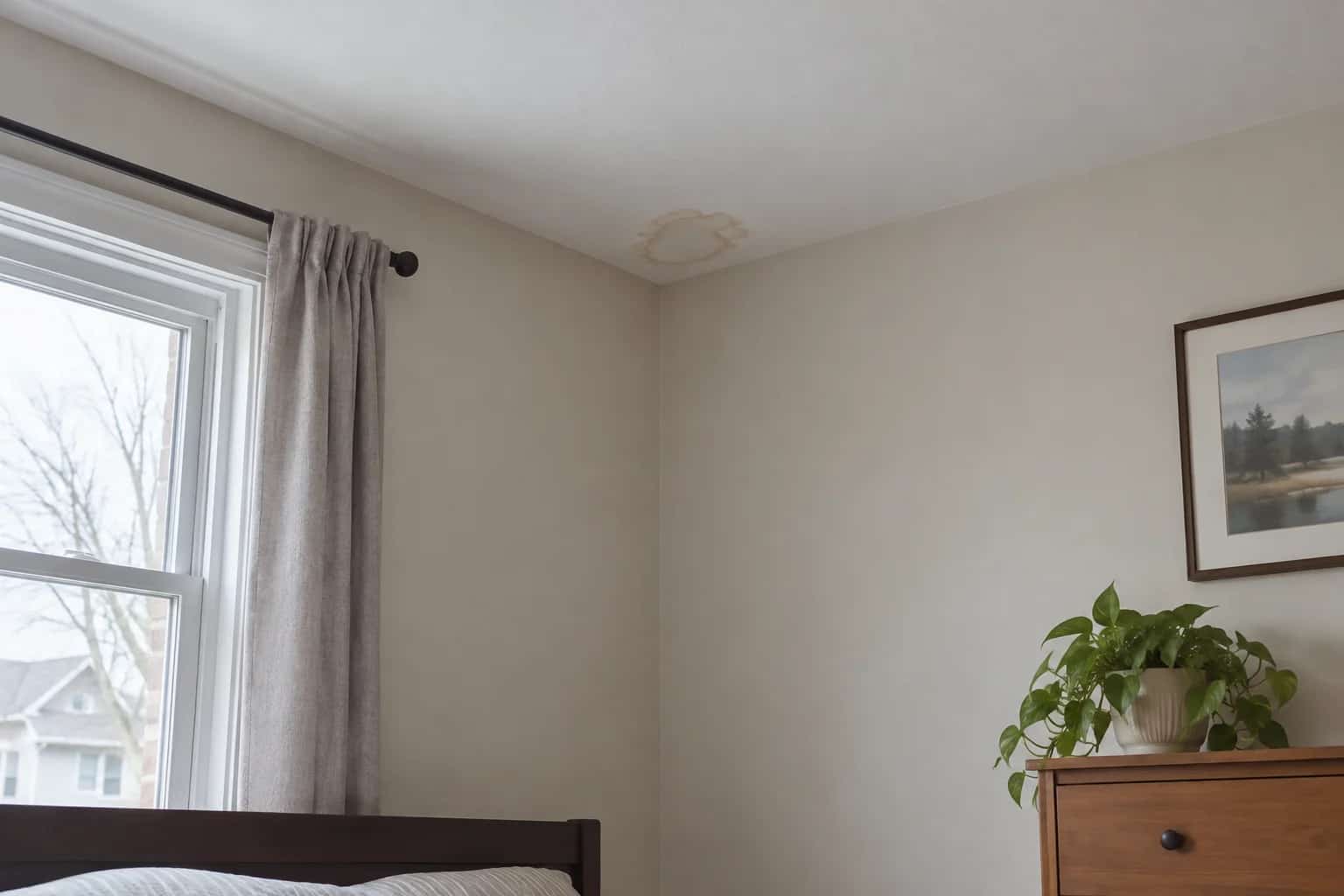
A builder's promise to send someone next week is welcome, but it should not leave a new-home leak outside the formal reporting process. Notify the builder and check the applicable Tarion steps in parallel. A repair discussion and a warranty submission serve different purposes, especially when a reporting deadline is close.
First address immediate safety. Water near electrical equipment, a bulging ceiling or structural movement needs appropriate urgent help. Stay off the roof and do not enter an unsafe attic to collect evidence.
The builder has offered to send someone next week, and Sam is relieved enough to start clearing the email thread. Pat asks whether the leak has also been reported through the applicable warranty process. A helpful appointment and a formal report belong in the same file; neither makes the other unnecessary.
Record What Happened Before It Dries
Photograph the room and the affected surface from a safe location. Note when water appeared, whether it was actively dripping, the weather and whether the problem has happened before. A wide room photograph helps locate a detail picture later.
Sam sends the builder a short description and keeps the acknowledgement, appointment date and attending person's name. The patch goes into the record as temporary until the permanent scope is explained. "Someone came" is useful history, but it is not yet an account of what was fixed.
Avoid diagnosing the cause from the stain alone. Water can travel through framing, and condensation can resemble a leak. The investigation should consider the roof detail and the interior evidence together.
Temporary Patch, Permanent Answer
A prompt patch may be valuable damage control. It still leaves questions about what failed and what permanent correction is intended. If the next rain stays outside, that is encouraging evidence; it does not identify the original defect or establish that every affected interior material is dry.
Ask for a plain explanation of the finding and the remaining work. Keep reporting what you actually observe rather than waiting for a dramatic repeat leak. A small recurring stain can be worth adding to the file even when a bucket is no longer needed.
The temporary patch is followed by a dry evening. Sam wants to call it finished. Mike asks what was found, what remains wet inside and what permanent work is planned. Relief is reasonable. Closing the record before those answers arrive is less useful.
Keep Repair and Reporting Moving Together
Damage control, builder contact and formal warranty reporting should proceed together.
Protect
Address immediate safety and reasonable damage-limiting measures.
Notify
Tell the builder what happened and retain the written record.
Verify
Check the home's warranty dates and Tarion's required reporting route.
Follow through
Keep inspection findings, repair dates and any recurrence evidence.
Check the Home's Actual Warranty Position
Tarion distinguishes the new-home warranty from home insurance. Its two-year coverage includes certain water-penetration defects in the building envelope, but the facts, exclusions and applicable warranty dates matter. A storm-damaged roof and an installation defect raise different questions.
Confirm the possession or occupancy date used for your warranty and check the current reporting requirements through Tarion. Do not assume a casual email to the builder is the same as submitting an issue through the required warranty channel.
If a deadline is near, ask Tarion how to preserve the report while the builder investigates. Do not wait for the next rainfall merely to make the evidence more dramatic. Report what you know, then supplement it when new information arrives.
For a condominium roof, involve the corporation or manager because common-element claims follow a different responsibility and reporting context from an individual home's interior concern.
For a home in British Columbia, use the BC provider and notice process rather than applying Ontario warranty steps to the claim.
For an Alberta home, identify the registered warranty provider, commencement date and reporting route under that province's process.
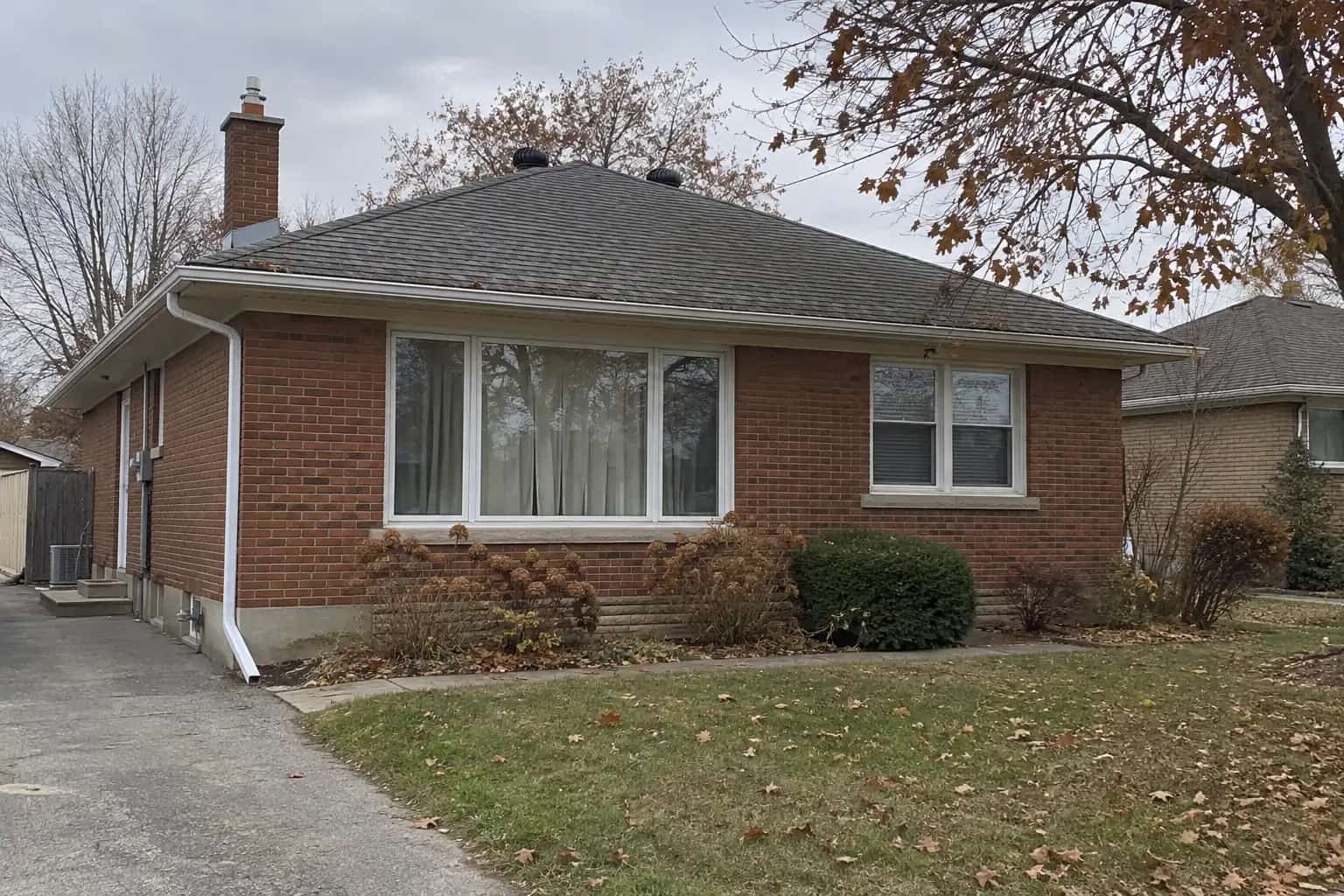
What Did the Builder Find Under the Symptom?
A useful builder response identifies the defect found, the affected area, the repair and any follow-up. "Caulked roof" leaves too much unexplained. Ask for photographs if the work is concealed or inaccessible to you.
Contact your home insurer where a loss may need reporting; builder warranty and insurance are separate arrangements. Keep both parties informed of work relevant to their assessment.
Keep the submission confirmations and warranty dates readily available alongside the builder's repair response. When timing matters, you want to find the formal report as easily as the appointment email.
Dave helps Sam keep the appointment email beside the submission confirmation and warranty dates. There is no prize for the largest folder, but the right three documents are much better than thirty messages saying someone will get back to you. The builder, Tarion and insurer still have their own roles and requirements.