
Dave gets two messages about the same hallway. After a full day of drizzle: dry. After twenty minutes of rain against the driveway wall: bucket. Mike keeps both messages. "The dry one matters too." Rain direction can be more useful than total rainfall when tracing a leak that appears only in windy weather.
Wind-driven rain exposes walls, vent openings and roof junctions differently from ordinary runoff. The first places to investigate are those connections on the exposed side, including any wall or window above the roof. A leak in one particular storm does not mean the entire shingle field has stopped working.
The Wall Can Be Part of the Leak
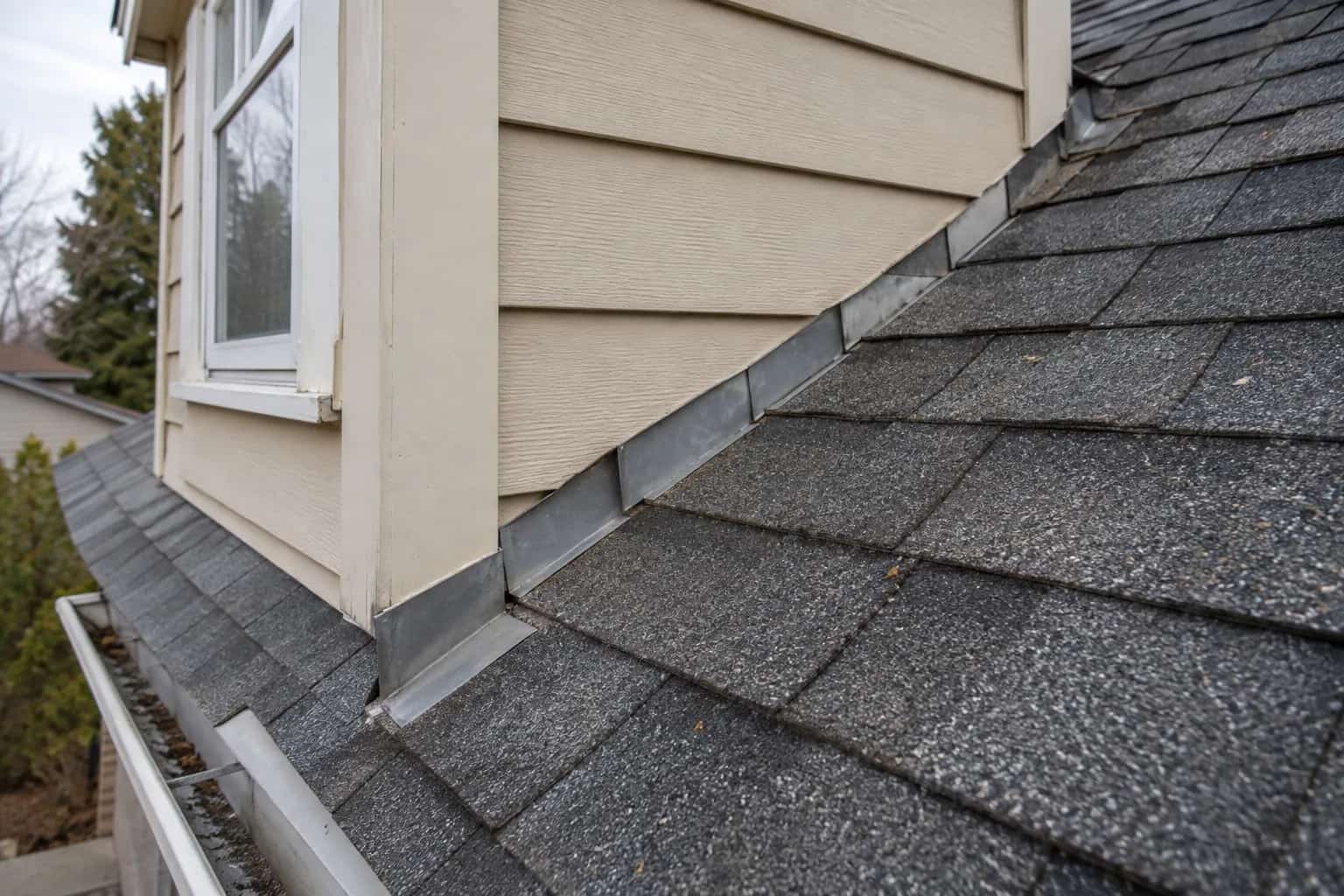
The garage roof meets the second-storey wall above the hallway. Pat initially follows the obvious shingle runoff, then widens the photograph to include the upstairs window. In calm rain, most water lands on the shingles. In a windy storm, that wall receives rain too. Water entering a cladding or window detail above the roof can reach the roof junction from behind.
That is why the shiny new seal along the visible roof edge may accomplish very little. It sits below the real opening. IKO's flashing guidance explains the protective role of these junctions; diagnosis needs to follow both the roof and wall layers.
Compare two clues: a leak whenever a valley carries heavy runoff puts the valley high on the list. A leak only when rain strikes the upstairs wall puts the wall connections high on the list. Both are starting points for inspection, not a diagnosis made from the sofa.
Follow the Windward Water Route
The inspection should connect storm exposure to an observed entry point.
Exposed surface
Identify the wall or roof face that took the wind-driven rain.
Protective junction
Check its flashing, vent or cladding transition for a continuous water path.
Interior response
Compare the damp area and timing with that specific exterior route.
Comparable weather
Confirm the repaired area during a later storm with similar exposure.
Make the Weather Record Specific
Instead of reporting that it leaks in bad weather, note:
- Whether the wind struck the front, back or a particular side wall.
- Whether the rain was brief and forceful or steady for hours.
- How long the ceiling took to respond.
- Whether the same room leaked in an earlier storm from another direction.
Use parts of the house you can identify reliably. "Against the driveway wall" is better than an uncertain compass bearing. Keep photographs from storms that caused no leak too. Those are useful comparisons. Dave labels the dry-storm photograph just as carefully as the wet one; otherwise the evidence starts selecting itself.
What Counts as a Convincing Repair?
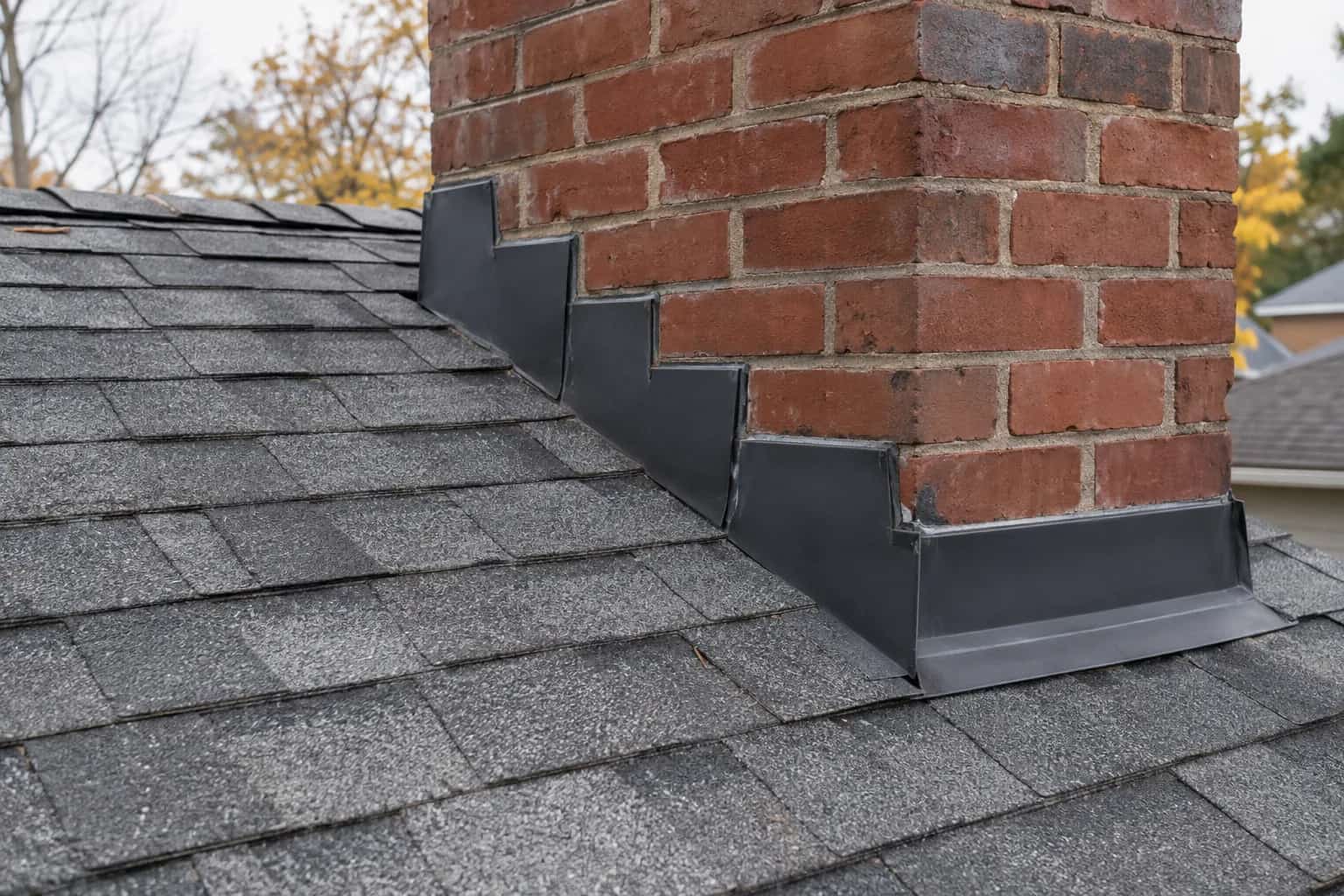
The repair should explain the weather pattern. Rebuilding a failed wall-to-roof lap makes sense when water was tracked through it. Smearing the nearest visible seam because it looked suspicious is a weaker answer.
A controlled water test can narrow the source, although a hose cannot reproduce every combination of wind and rain. Keep monitoring through the kind of storm that caused the trouble. Mike leaves the original weather description in the completion record. A dry ceiling during calm drizzle is welcome, but that was the roof's party trick before the repair. The useful follow-up is the kind of storm that previously caused trouble.