
The ceiling stayed dry through the snowfall and stained during the thaw. "So the roof waited until it was warm?" the homeowner asks. Dave wants to know where the snow went before it melted. Wind-blown snow entering an attic vent and frost forming inside the attic can leave similar-looking water below, but they need different investigations.
Snow entry through a vent is different from frost forming inside the attic. The first brings snow from outdoors; the second involves moisture freezing on cold interior surfaces. They can leave similar wet marks after a thaw, so the evidence before melting is particularly useful.
What Was There Before the Water?
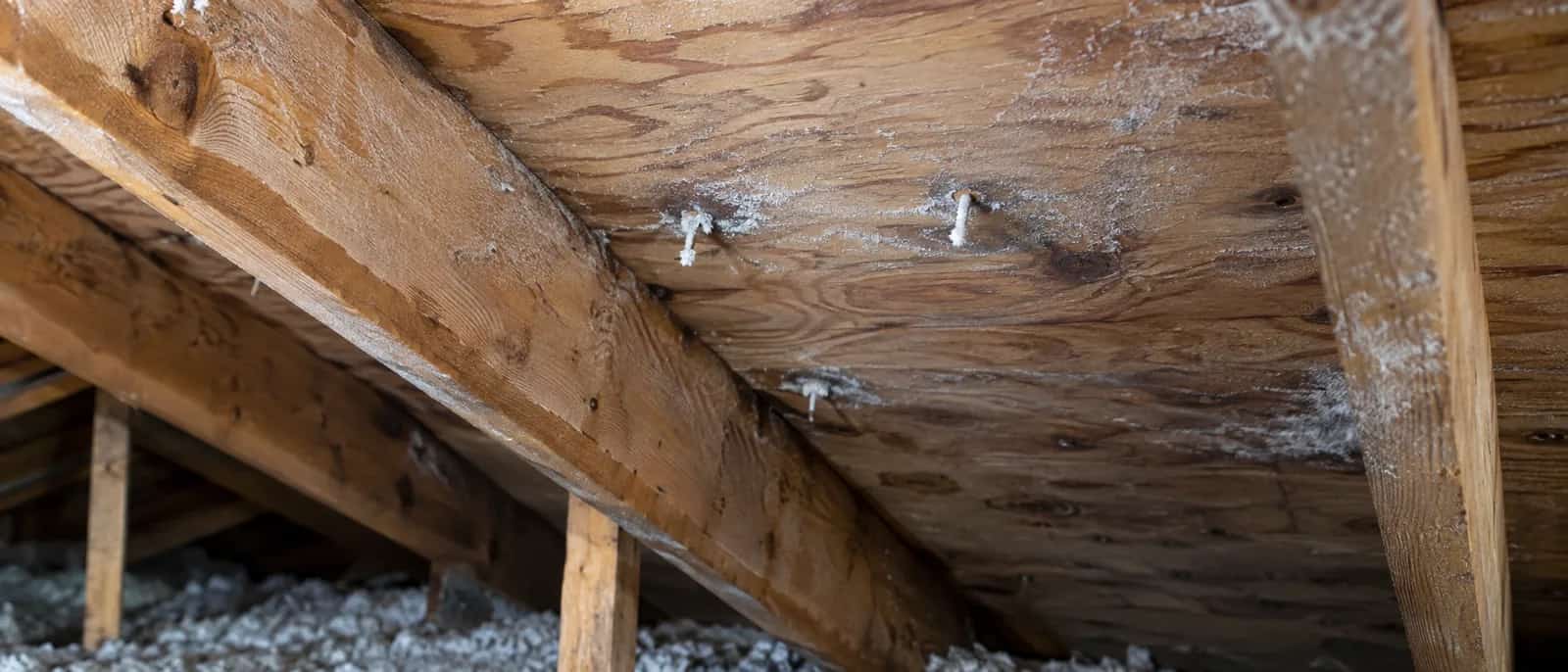
A local deposit beneath or near a vent supports investigation of snow entry. Frost spread across nail tips or the underside of sheathing points toward another moisture process. Snow can move once inside, and both conditions can coexist, so neither pattern is an automatic verdict.
If a professional safely observes the attic before thaw, photographs should show the deposit in relation to the vent, framing and insulation. A close-up of white material with no location loses much of its value. The date, wind direction if known and whether the event involved fine blowing snow help explain the exposure.
Do not climb a snowy roof or crawl across attic insulation to collect this evidence. Tell the roofer what can be seen safely and let access be part of the visit.
The owner offers to block the vent until spring. Mike stops that plan before a towel leaves the cupboard. The vent has an ongoing job; the investigation needs to explain the entry without creating another moisture problem. They photograph the location and conditions while the evidence is still visible.
Similar Thaw Stains, Different Starting Points
The pre-thaw condition directs the inspection; more than one moisture process may be present.
Local snow deposit
Relate the deposit to vents and the wind-driven weather exposure.
Frost on cold surfaces
Investigate moisture reaching the attic and freezing on sheathing or nails.
Water after thaw
Assess insulation and ceiling wetting rather than diagnosing from the stain alone.
A Vent Must Pass Air and Resist Weather
IKO's contractor FAQ recognises that extreme weather can allow snow through roof vents. It also advises against covering them for winter. A vented attic still needs its designed air route when the weather is cold.
Vent products handle exposure differently. Owens Corning's VentSure documentation identifies models with a Weather PROtector moisture barrier as well as models without it. Check the exact model and its installation literature when reviewing weather protection. Those features are evidence that weather protection matters, not proof that any named vent will suit every roof or prevent every event.
Dave wants the inspection to settle three things: the actual model, its condition and whether it was installed as instructed. A missing component calls for a different response from a complete, correctly installed vent exposed to exceptional weather. Buying a new vent before answering that question is getting ahead of the evidence.
Why Stuffing the Opening Creates Another Problem
A towel, foam plug or improvised mesh may reduce the visible opening, but it also changes airflow and can interfere with the vent's intended operation. Do not improvise a filter inside a product that was not designed for it.
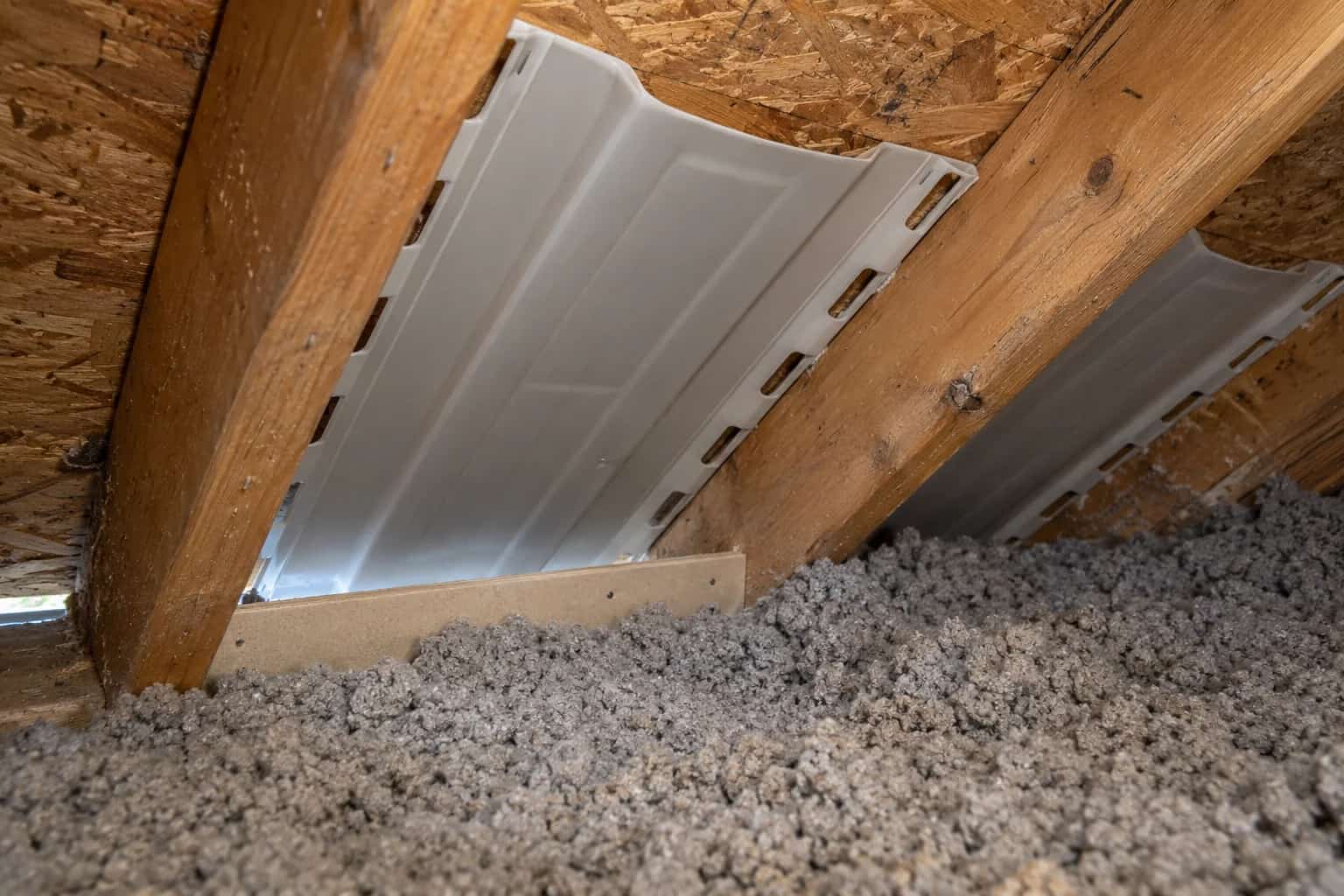
The proposed correction should preserve appropriate ventilation while addressing the observed entry route. That might involve restoring a missing detail or selecting a suitable replacement within the overall roof-ventilation plan. It should not consist of sealing each opening until nothing can get in or out.
The intake-and-exhaust guide explains why the lower and upper openings need to be considered together. An isolated vent change can affect more than the one spot that got wet.
On the replacement proposal, Dave circles the vent model rather than the word "weatherproof." They want the actual product instructions and suitability for this roof. The answer has to work after the next thaw, not merely look more substantial in the box.
Check What the Meltwater Reached
Once snow melts, inspect the affected insulation and ceiling rather than treating the disappearance of the snow as the end of the job. NRCan's attic guidance calls for moisture problems to be addressed before insulation work.
If the evidence instead shows widespread frost, the next question is how indoor moisture reached the cold attic. That calls for a different investigation from replacing a weather baffle. Keep the two findings separate and the repair becomes much easier to judge: stop the identified route, preserve ventilation and deal with the materials that got wet.