
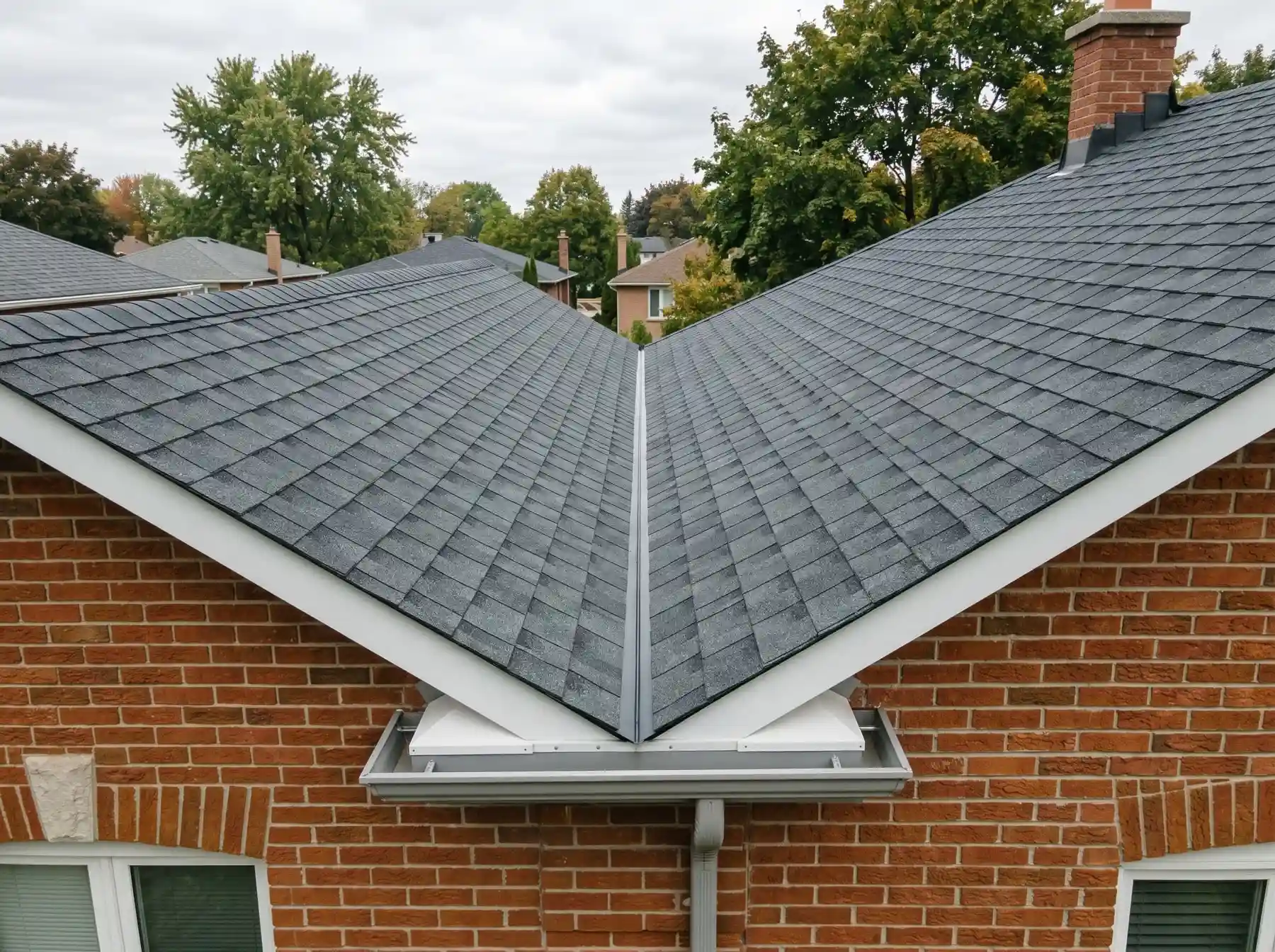
Dave has the hose ready; Mike asks which area is being tested first. "All of it" would certainly get things wet. It would not necessarily explain the leak. A useful professional test isolates a plausible route and watches for a response before introducing another one.
A professional water test should narrow a plausible entry route by testing defined areas in sequence. Soaking several suspects together may reproduce the leak without identifying its cause.
Decide Whether Testing Is Appropriate
Before introducing water, the contractor should assess access, existing damage, electrical risks and the ability to observe inside. An already saturated or unstable ceiling may need other work first. Freezing conditions can make testing unsuitable.
The Electrical Safety Authority's water guidance is relevant wherever wiring or equipment may be affected. The test plan must not create an electrical hazard or require an occupant to monitor an unsafe area.
Sometimes visual inspection exposes a clear defect that should be repaired without deliberately adding more water. In other cases, testing is useful because several plausible routes remain.
Pat records the time and the area being wetted. That sounds fussy until a delayed drip appears just after the hose moves. Without a sequence, the wrong detail can get blamed for water introduced somewhere else.
One Test Area at a Time
A controlled sequence connects cause and response without unnecessary wetting.
Plan and protect
Assess safe access, electrical risk and interior monitoring before water is introduced.
Wet one detail
Record the location, direction and timing of a defined test area.
Observe and stop
Allow for travel time and stop when the response or safety limit is reached.
Interpret carefully
Document what the result establishes and which weather conditions remain untested.
Why the Lower Area Usually Comes First
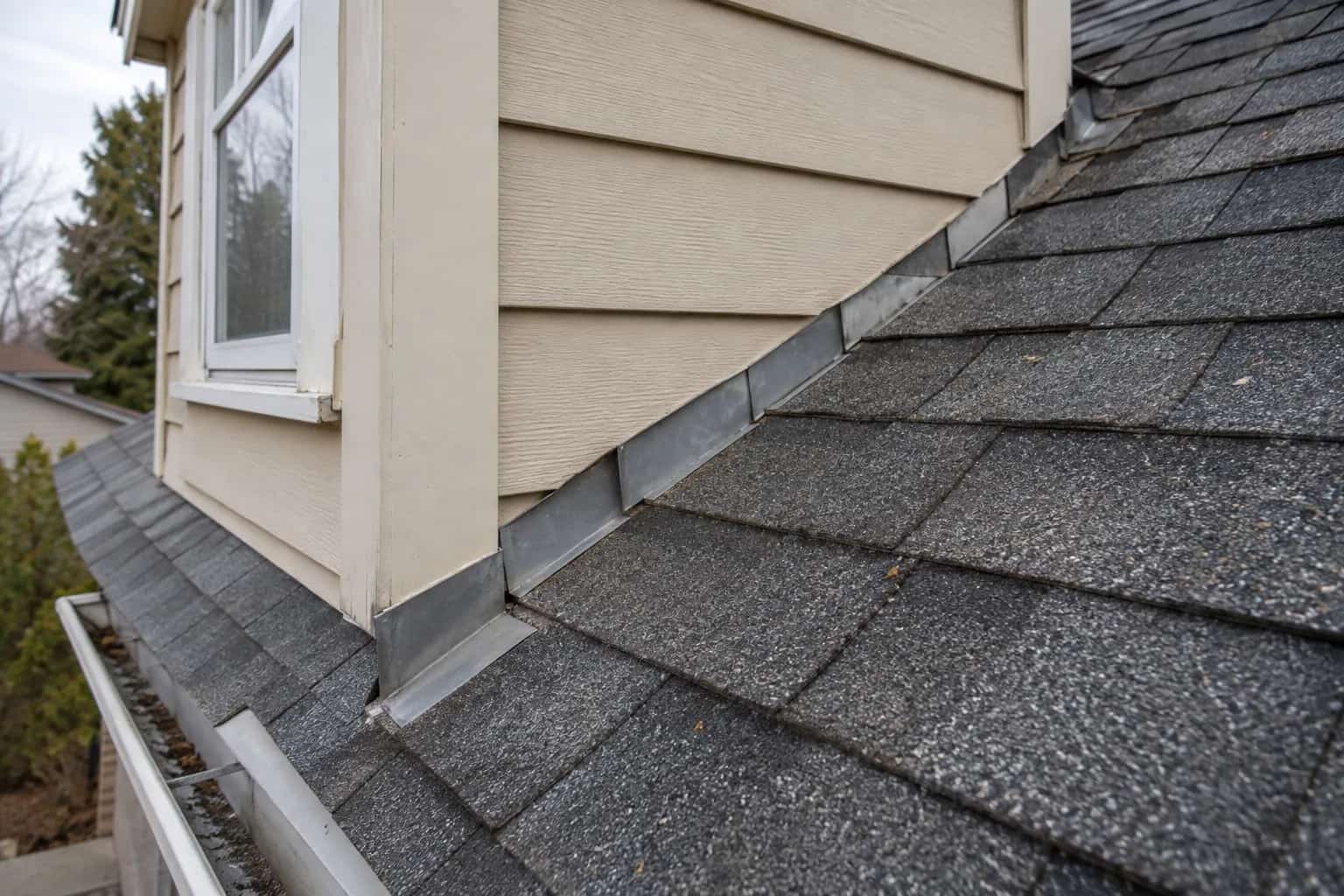
Move Dave's hose to the wall above the junction before checking the lower junction itself, and the problem becomes clear. Water from the wall runs down over both. If the ceiling drips, the source could be the wall or the lower detail receiving its runoff.
Testing lower areas first, then moving higher, helps separate those possibilities. The Whole Building Design Guide describes this spray-test sequence, including the delay before an interior response may appear.
That delay is important. Moving to a new area too quickly can give it credit for water introduced earlier. There is no universal few-minute test that proves every concealed route. The useful record includes the area wetted, timing and what changed inside.
Use Water in a Realistic Way
A test should investigate the suspected weather route. Forcing water uphill under shingles or directly into a vent can create an artificial leak that does not explain the original event. The contractor should describe any deliberate change from normal rainfall and how that limits the conclusion.
Wind-driven rain is particularly difficult to reproduce with a hose. A negative result under calm test conditions does not prove a junction is sound in every storm. Our guide to wind-related leaks explains why the original exposure remains useful evidence.
Mike also asks what would stop the test. Once water appears inside, adding more is not automatically adding knowledge. The interior needs protection and the result needs documenting, with safety deciding whether testing should happen at all. The team should stop or adjust according to that plan once an interior response appears.
Agree on a Stopping Point
A test may also end without a conclusion. That is acceptable if the report explains what was tested, what was ruled in or remains unresolved, and the next sensible step.
A Dry Test Has Limits, Too
A positive controlled response can connect an exterior area to an interior symptom. A negative result means the tested conditions did not reproduce it. Wind direction, pressure, travel time and weather exposure can still differ from the original storm.
Before repair, the question is where water enters. After repair, it is whether the corrected detail resists the tested exposure. Keep those conclusions separate and compare later natural rainfall.
The owner deserves a conclusion with limits: what exposure was reproduced, what response followed and what remains unresolved. A hose photograph is easy to produce. A defensible repair decision takes a better record.