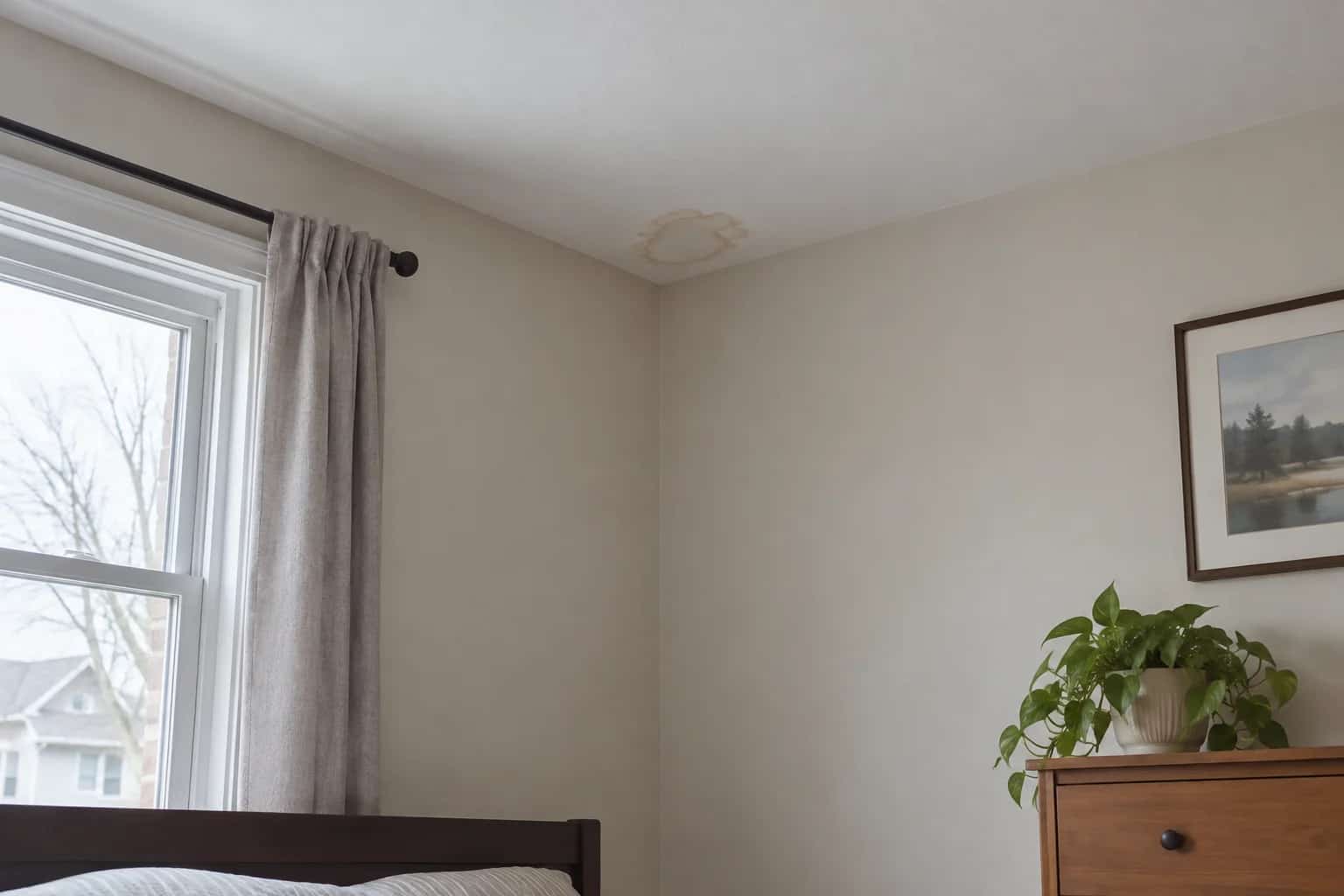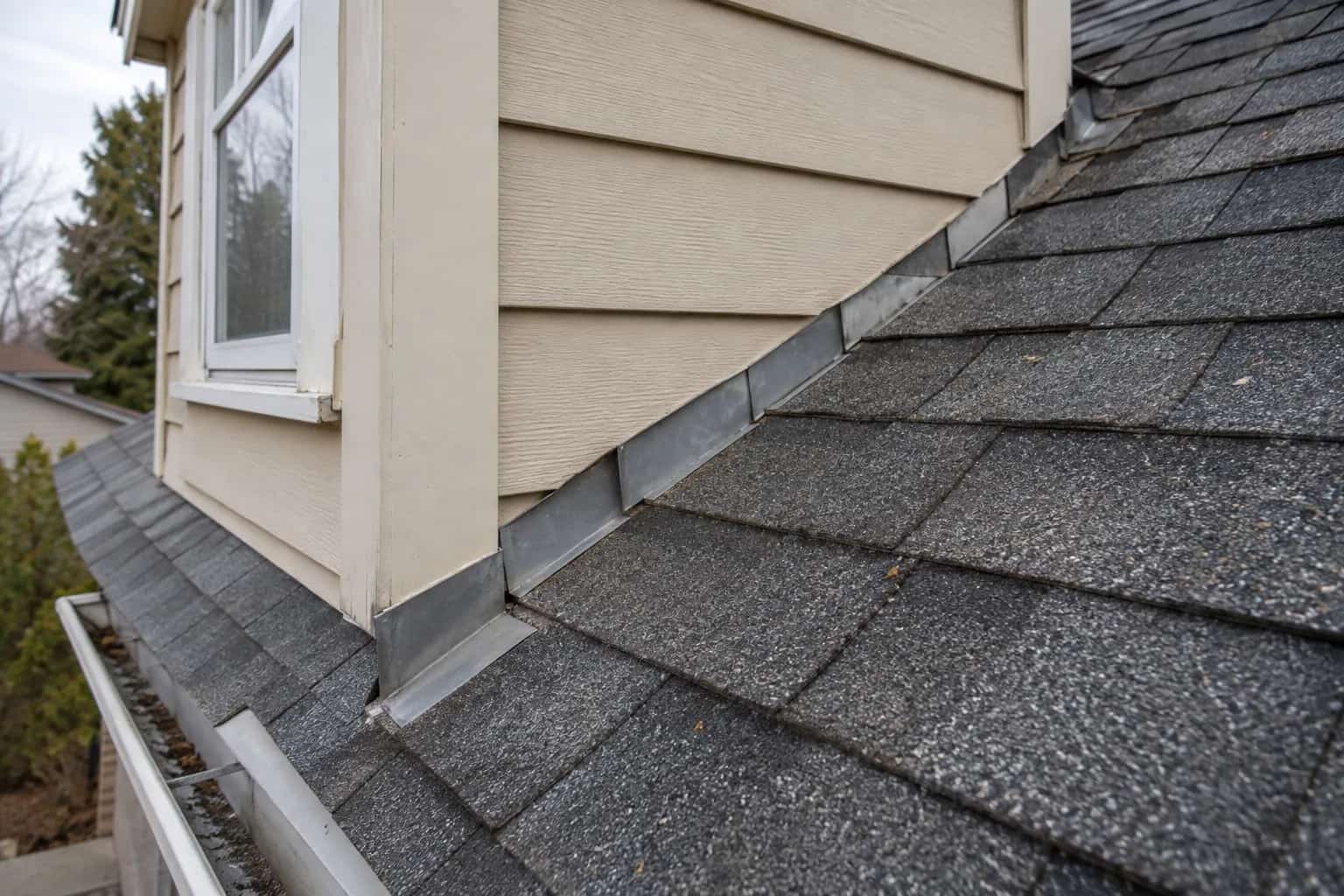
The third invoice says "seal roof area", much like the first two. The stain has been painted once and circled in pencil twice. Mike asks for the dates, weather and exact repair locations before discussing another patch. By now the history should be getting clearer, not just thicker.
When the same roof patch leaks again, the next visit should explain what the earlier repairs did and what they never tested. Sealant can serve a specified detail or temporary protection, but it cannot rebuild a missing or wrongly connected component.
A repeat leak can mean the patch is in the wrong place, a hidden connection was never restored, or the material beneath it cannot support a lasting repair. Previous work may have reduced one route while leaving another. The history helps sort those possibilities.
Three Visits Should Produce More Than Three Layers of Compound
On the first visit, the obvious crack gets sealed. The next shower is dry, and everyone relaxes. On the second visit, a windy storm has brought the stain back, so the patch gets wider. By the third visit, the repair history is more valuable than another tube.
The useful change is to stop treating the stain as the entry point. Match each repair to a location, the component changed and the weather that tested it. A dry ordinary shower after a patch does not test a leak that previously appeared only with wind from one direction. The next investigation should explain what remains untested and how it will be isolated without damaging the house.
IKO's leak-finding guidance describes tracing entry rather than assuming the indoor stain identifies it. Keep the test controlled by qualified people; do not send someone onto a wet roof with a hose while another person guesses from below.
Sealant Has Three Different Jobs
A manufacturer-specified seal is part of an assembly. Temporary weather protection buys time until proper work is possible. A coating smeared over a failed junction may conceal the same defect. Ask which job the proposed material is doing.
IKO's flashing guidance discusses seals within flashing details. Missing metal, unsound backing or a lap facing the wrong direction cannot be restored simply by changing the brand of compound. Some openings must drain or accommodate movement, so sealing everything visible can create another problem.
Ask what defect was found, whether the product permits the substrate and weather conditions, whether the repair is temporary and what will verify completion. A wet or cold surface changes which products and preparation are suitable.
If temporary protection is necessary, record the permanent repair date and who checks the patch if work is delayed. Wet insulation, damaged ceilings or water near electrical components still need attention. A completed explanation should name the corrected part: collar replaced, wall lap rebuilt or specified termination seal renewed. "We sealed the area again" is the start of a question, not a very satisfying third invoice.
Make Each Visit Answer a New Question
Record the component and exact location changed. Name the corrected assembly and verify follow-through.
First repair
Record the component and exact location changed.
Weather test
Note which conditions returned and which did not.
Unresolved route
Identify what the previous patch could not establish.
Completed detail
Name the corrected assembly and verify follow-through.
Choose a Test the Earlier Visits Did Not Do
If previous patches hide the junction, controlled removal may be needed to see the laps, backing and component condition. Ask whether nearby aged shingles can be reinstated and how the area will be protected while open.
Where several exterior features remain plausible, a controlled water test may separate them. If nobody has examined behind the siding, that may be the missing evidence instead. Have the investigator explain why the proposed next step resolves something the earlier visits could not.
Broader deterioration can justify replacement, but one repeatedly unexplained junction does not establish that every slope is worn out. Mike keeps the pencil circle and repair record until the relevant weather has tested the corrected detail. Repainting can wait; a fourth visit should not begin with the same unanswered question.