
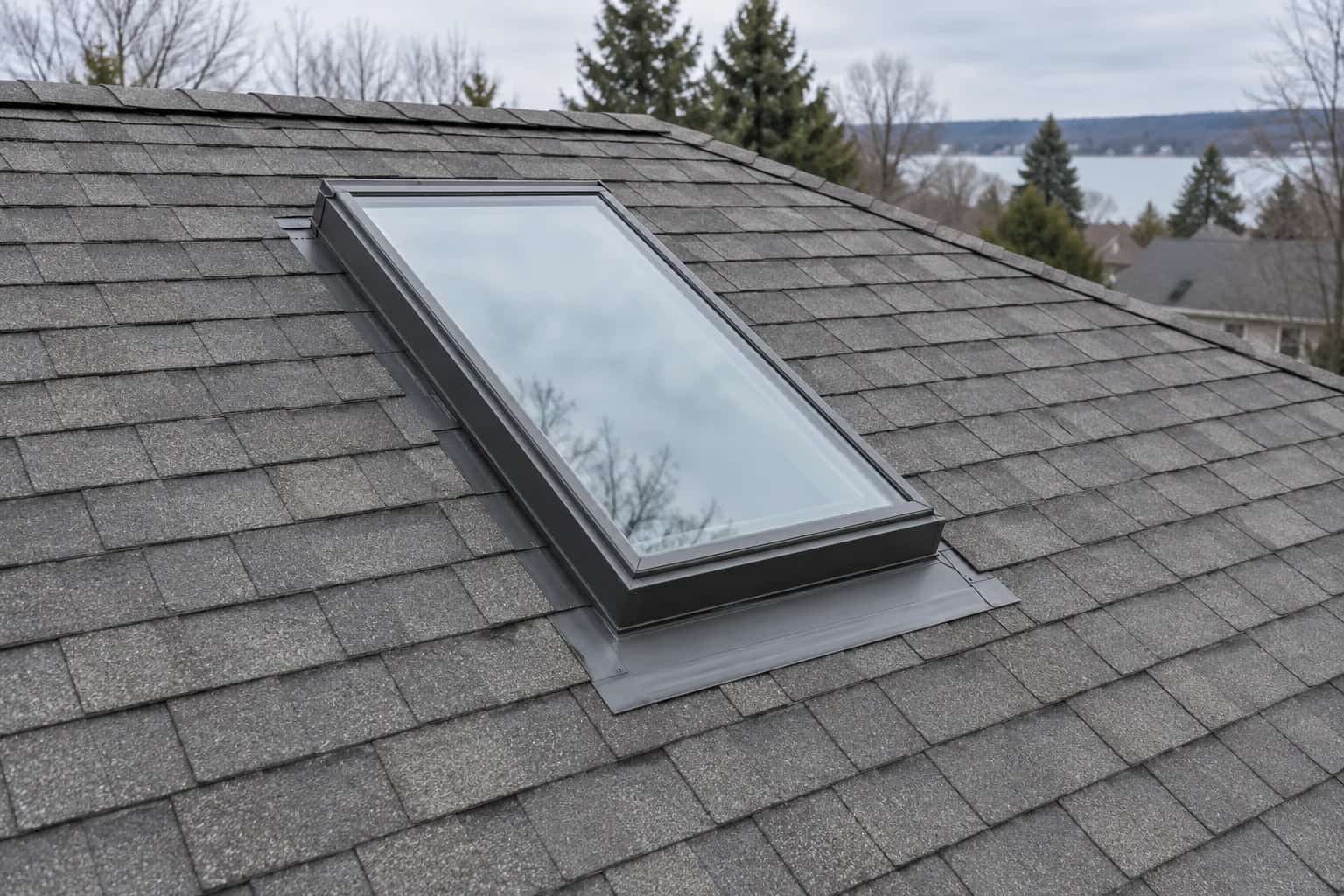
The owner wants daylight in the hallway. Pat suggests a skylight until she explains that she mostly wants to find the shoes without switching on a light at noon. Dave asks whether she wants a view of the sky. A sun tunnel can bring daylight through a reflective tube; a skylight provides a different experience, including visible sky and ventilation in opening models. Decide which experience matters before choosing the opening.
Mike checks the attic route once the owner has described the useful change she wants. The bright display in a showroom cannot tell you what a shaded roof and a bent tube will deliver in your hallway.
Decide What You Want the Light to Do
For this hallway, a sun tunnel may suit the owner's daylight goal without a conventional skylight shaft. The ceiling diffuser supplies light without the open sky view. Pat checks that expectation before comparing products; a bright circle on the ceiling and a view of clouds are different things to live with.
If you want a visible sky opening, a larger pool of changing daylight or an opening unit, investigate a skylight. With an attic between the roof and ceiling, that usually involves a finished shaft. Its shape and depth influence the experience below.
For a bedroom used during daylight hours, confirm compatible sun-tunnel light control before ordering.
Choose the Daylight Experience
The room goal and the route through the building guide the choice.
Tubular daylight device
Reflective tubing carries daylight to a ceiling diffuser through a suitable route.
Fixed skylight
A larger glazed opening can provide sky views and a shaped daylight shaft.
Opening skylight
Adds ventilation potential where the model, access and room design suit it.
A Short Straight Route and a Bent Route Are Not Equal
VELUX's Canadian FAQ states that a rigid tunnel transmits more light than a flexible tunnel of the same size, length and configuration. Flexible tubing can make it easier to get around attic obstructions, so there is a real tradeoff between the route and light delivery.
The most appealing diffuser location on the hallway plan does not line up with a simple route above. Pat moves it on the drawing before anybody cuts an opening. Trusses, ducts and wiring may prevent the exact initial location, even when rigid tubing would otherwise be attractive. Structural members should not be cut casually to rescue a preferred location.
A conventional skylight with a shaft usually asks for a larger opening and more interior construction, but provides a direct glazed opening rather than a diffuser. Roof orientation, shade, tube or shaft length and bends all affect the result. Compare layouts for your house rather than two product photographs.
For winter performance, prepare a daylight brief naming the task, time and room location you want to improve.
Compare the Finished Work
Include roof flashing, insulation and air sealing, ceiling work, painting and any blinds or controls. Dave asks both prices to include the finished ceiling. The household wants a brighter hallway, not an excellent bargain surrounded by unpainted plaster.
For a tube, ask how joints, insulation and the ceiling connection manage air leakage and condensation. For a shaft, ask how the thermal boundary continues up its walls. Our shaft-insulation guide explains why this detail is easy to overlook.
Both options require manufacturer-approved roof connections. A small roof opening still needs proper waterproofing; small does not mean consequence-free.
What Will the Hallway Feel Like?
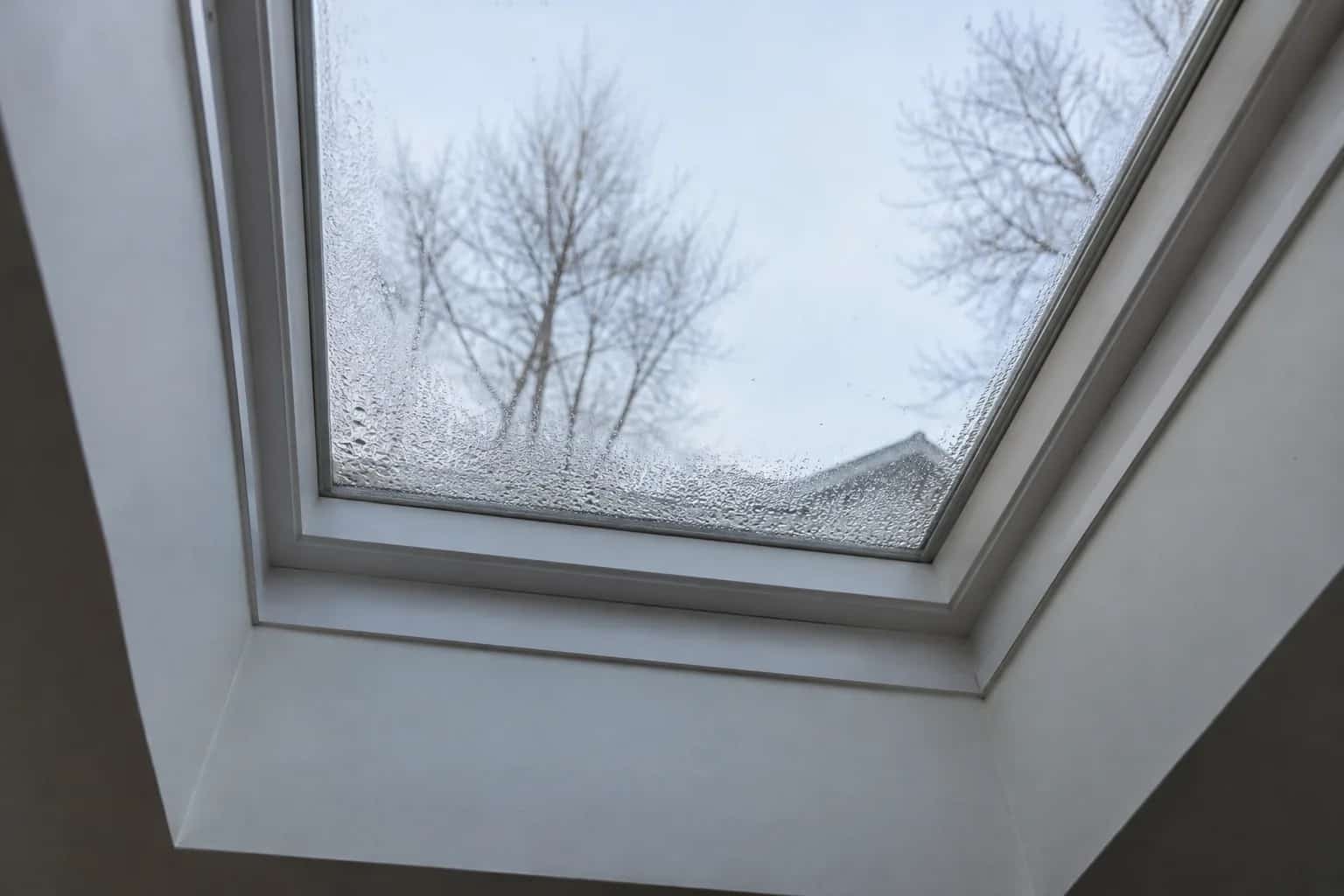
For finding shoes and moving through a corridor in daytime, a well-planned tunnel may provide the useful change without a large shaft. For watching the sky or creating a prominent light opening over stairs, a skylight may justify the extra construction. An opening skylight also offers a function the basic tube does not.
Neither replaces evening lighting. Daylight changes with weather and season, so retain suitable electric lighting rather than expecting the roof opening to solve every dark hour.
Include safe cleaning and service access in the choice. The best option is the one that gives the room the daylight experience you want through a route the building can accommodate.
For a glazed skylight, compare heat-transfer, solar-gain and daylight ratings separately.