
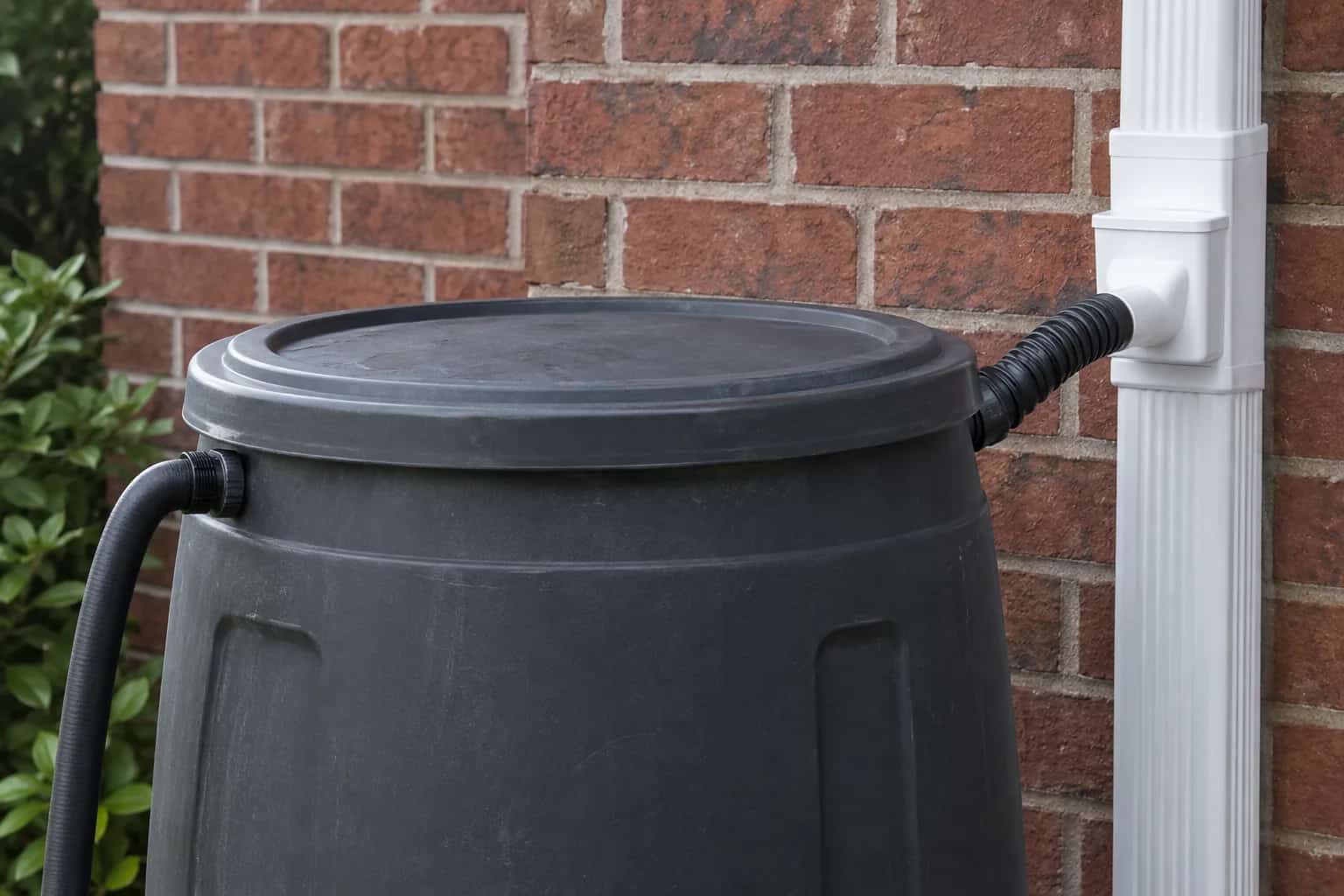
Choose a cistern around both storage and a realistic way to use or release the water. Then design the full-tank overflow and winter arrangement. Capacity is one part of the decision, not a promise that roof runoff will stop leaving the property.
The barrel was full, the garden was wet and another shower was forecast. Pat opened the larger-tank brochure.
"We can buy more room."
Dave nodded toward the unused watering can. "We should also find out how the room becomes empty again."
The larger tank might be useful. But the discussion needed the household's actual water use as well as the amount arriving from the roof. Otherwise we were pricing a bigger version of the same full barrel.
Start With the Water You Actually Use
List the intended uses and their timing. Summer garden watering is different from year-round demand. A household with little outdoor space may fill a tank quickly and empty it slowly. A large thirsty garden may have the opposite problem during a dry spell.
STEP's rainwater-harvesting guidance explains why sizing considers drawdown, meaning the rate at which stored water is used or removed. Stormwater control and reducing mains-water use can lead to different storage choices. Ask which objective the proposal is designed to meet.
We would start the discussion with last summer's habits, not the largest tank in the catalogue. Did someone water every evening, or did the barrel remain full while everyone was away? Neither answer is embarrassing. Both are more useful than a sales calculation that assumes perfect use of every litre.
Empty Space Is the Space That Can Accept Rain
Consider a deliberately simple example: a 2,000-litre tank already holding 1,600 litres has 400 litres of nominal space left. Its label still says 2,000, but the next rain does not care about the label. Actual usable capacity also depends on the installed tank and operating levels.
For another arithmetic comparison, 10 mm of rain over 50 square metres represents 500 litres before roof and collection losses. These are explanatory numbers, not a design for your house. They show why current tank level and connected roof area belong in the same discussion.
Ask the designer what assumptions are made about starting level, intended demand and bypass or release. Do not empty a tank casually into an unsuitable yard route merely to create capacity before a forecast storm.
Draw the Overflow Before Choosing the Colour
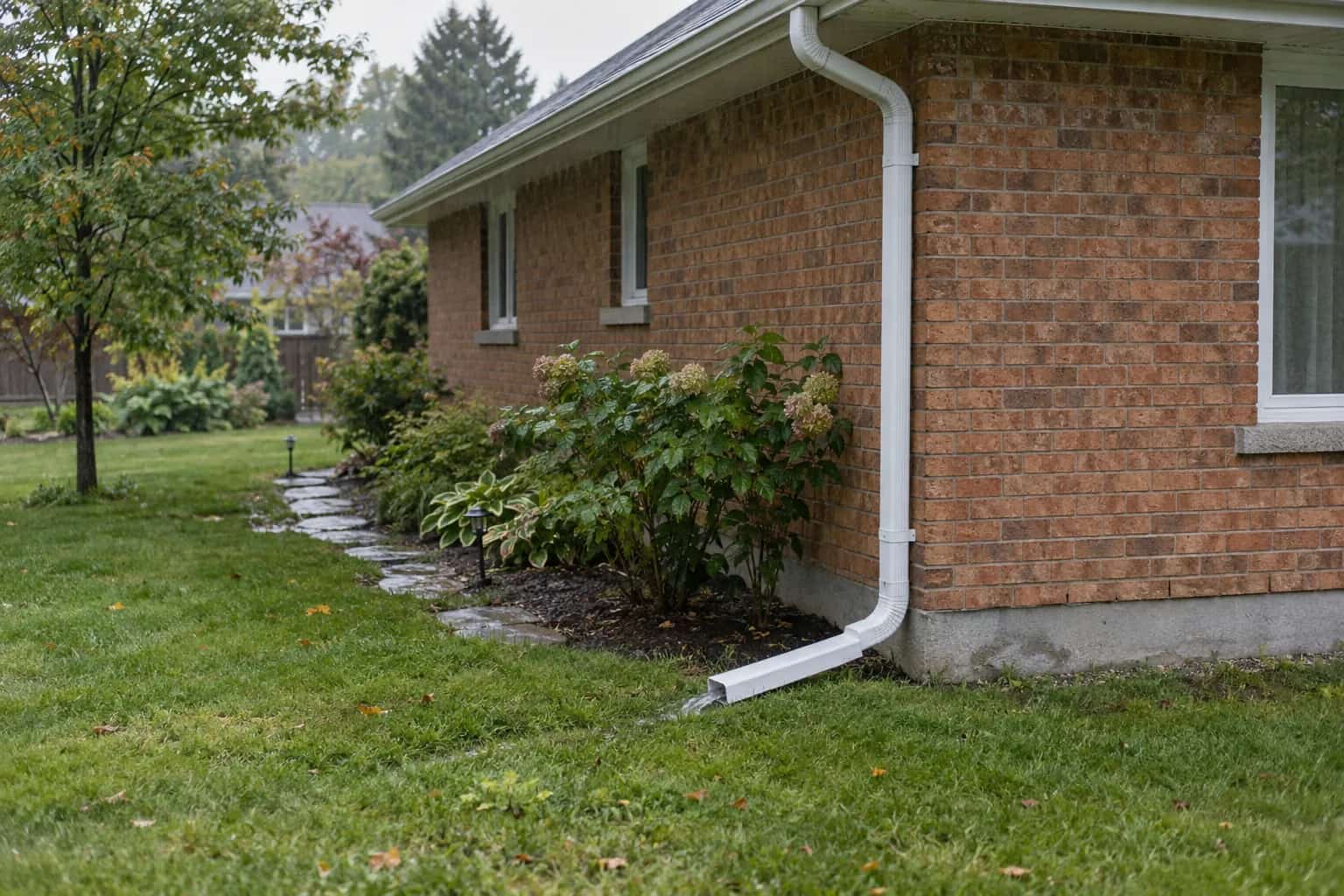
Once available storage is used, additional inflow needs somewhere to go. The overflow route must suit the expected inflow, site and local requirements. Include protection against unwanted access and contamination as appropriate to the selected system.
A hose that served a small barrel should not automatically become the outlet for a different installation. Nor should a full tank discharge beside the foundation because that was the easiest place to hide the pipe.
Our rain-barrel overflow guide explains the smaller version of this problem. For a cistern, request the complete inlet, storage and overflow drawing, including what happens when any filter or inlet treatment needs cleaning.
The first capacity comparison ignored the water already in the tank. We put that level back into the example and the available space became much smaller. Pat shut the catalogue for a moment. "The label is doing a lot of optimistic accounting." That was the point of the calculation: compare usable space before the next rain, not just the number printed on the product.
Capacity Available for the Next Rain
Only available space can receive the next inflow.
Current level
Nominal tank size is different from the empty space remaining.
Expected use
Real demand creates storage between rainfall events.
Incoming roof water
The connected catchment and event determine the arriving volume.
Full-tank route
Overflow remains necessary when available capacity is exhausted.
Above Ground, Below Ground and Through Winter
An above-ground tank needs a suitable base and space for access. A buried installation introduces excavation, loading, groundwater and inspection considerations. Neither should be selected solely because it disappears from the patio view.
Establish whether the system is seasonal or designed for year-round use. The plan should identify frost-sensitive pipework, pumps and components, how seasonal shutdown works if needed, and the roof-water route while storage is out of service. Follow the chosen system's instructions rather than inventing a generic drain-down routine.
For a simple barrel, winter disconnection may be appropriate. A more complex installation needs its own operating plan. Do not assume burying the tank protects every exposed connection from freezing.
Keep Collection Separate From Drinking Water
Roof runoff is not automatically safe for drinking or every household use. Treatment and plumbing requirements depend on the intended use and applicable rules. Any indoor integration or mains-water backup needs a qualified design that protects the drinking-water system. That is a separate scope from purchasing storage.
Ask the supplier to state the permitted intended uses and maintenance obligations in writing. Include cleaning access, filter service, pump requirements where present and secure openings. Nobody should enter a tank to inspect it.
A cistern earns its space when the household can use it, maintain it and explain what happens when it fills. The useful upgrade is a complete water-storage arrangement, not simply winning the neighbourhood competition for the largest barrel.
Supplying toilets adds a separate indoor non-potable plumbing and backup-water design; a larger outdoor tank alone does not provide that system.