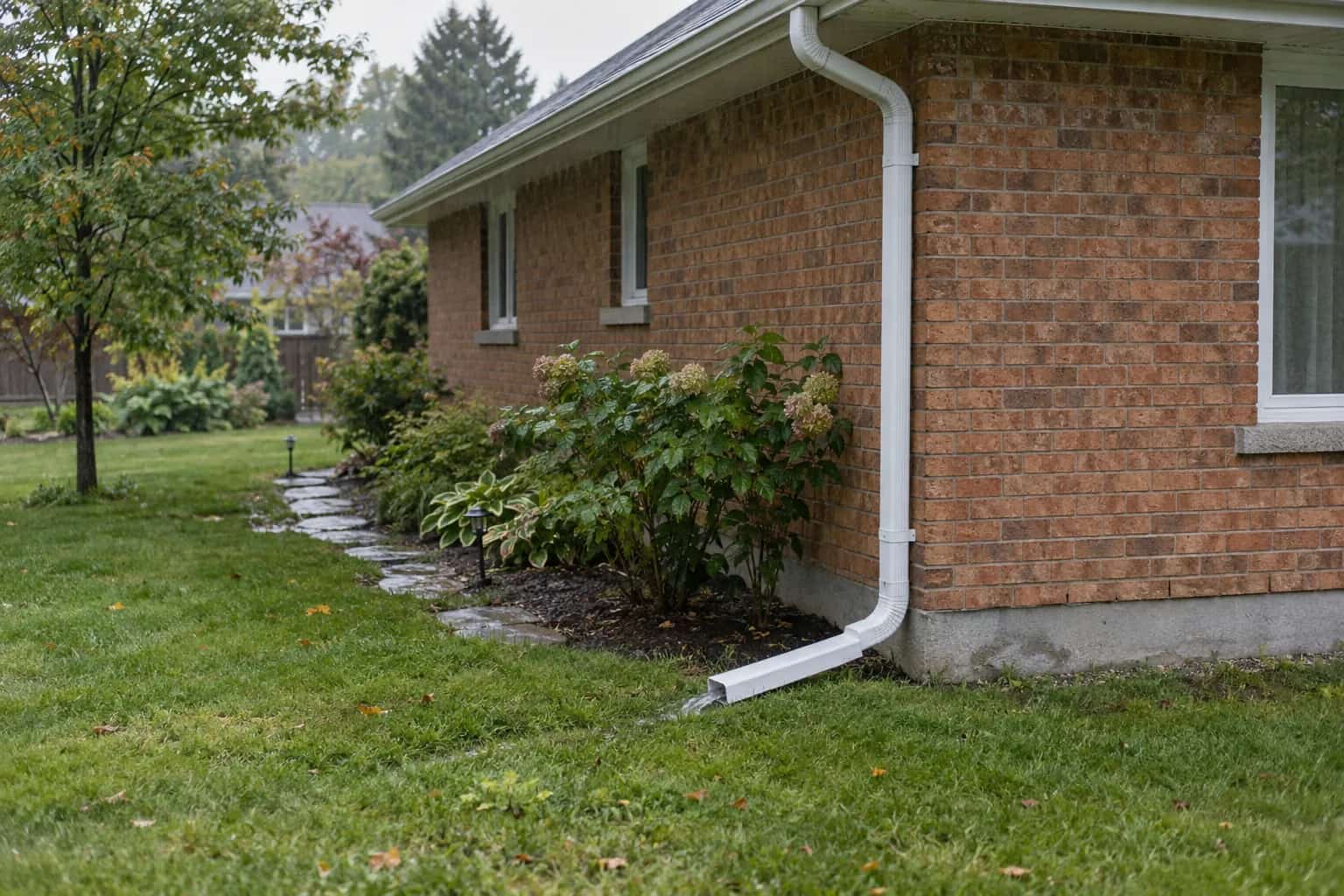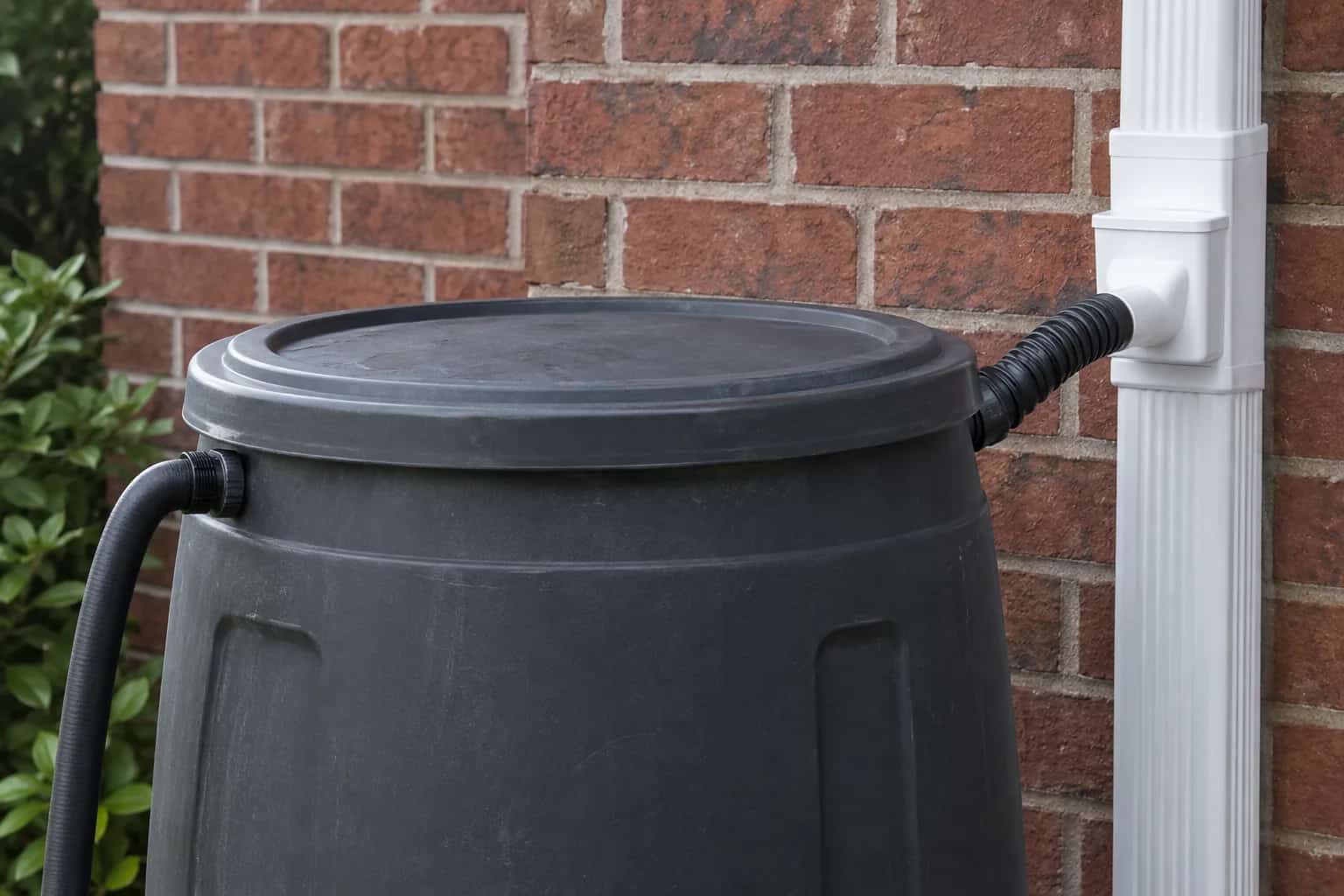
The rain barrel fills while the toilet upstairs uses treated drinking water. It is a reasonable question: could the roof supply the flush instead? A purpose-designed non-potable rainwater system can do that where the applicable rules permit it. A garden barrel and a pump are not the complete system.
The difficult part is not persuading water to move uphill. It is keeping drinking water protected, providing dependable service during dry or freezing weather, and ensuring someone understands the equipment after installation day.
Start With the Plumbing Authority
Canada's national plumbing codes include provisions for non-potable rainwater harvesting. The NRC's explanation of the 2020 code identifies their introduction, and the 2025 national model code provides a newer reference. Neither should be treated as automatic permission for every Canadian address: provinces and territories adopt and amend requirements, with local approvals applying to the project.
Ask the building or plumbing authority which edition and local requirements govern the proposed use. Describe an indoor toilet supply specifically, including whether it is a retrofit or new construction. Garden irrigation is a different scope.
A qualified designer should identify catchment suitability, treatment, storage, controls, pipe identification, overflow and drinking-water protection. The accepted design determines the equipment, rather than a tank bought on sale determining the design.
The Roof Is a Collection Surface, Not a Water Filter
Water crosses roofing, flashings and gutters before storage. Debris, wildlife activity, atmospheric deposits and materials on that route affect the collected water. The roof's appearance cannot certify water quality, and a screen that catches leaves is not treatment for every contaminant.
Tell the designer the covering and any roof treatments, and identify which downspouts feed the system. A later coating, reroof or solar installation may require reassessing the catchment. Keep that information with the system manual so the next contractor knows it matters.
Pat's useful question here is, "What happens when someone washes the roof?" It is easy to remember the tank and forget that its supply begins several metres above it. The operating plan should cover maintenance events and any required isolation of collection.
The household first sketches a tank as large as the available corner will hold. Dave asks where the filters will be serviced. The tank gets smaller on the drawing and the access space gets larger. That is a useful trade to make with a pencil, before a delivery driver has to reverse a very large object down the side passage.
Plan Rainwater Supply for Four Operating Conditions
Identify roof materials, contaminants and collection controls.
Suitable catchment
Identify roof materials, contaminants and collection controls.
Storage and treatment
Specify the approved tank, treatment and service access.
Separated indoor supply
Protect potable water and identify non-potable plumbing.
Failure and overflow
Plan empty, full, freezing and power-loss conditions.
The Dry Week Is Part of the Design
Consider a household with regular toilet demand but a long dry spell. A large tank may delay the shortage; it does not guarantee rain. The design needs an approved backup arrangement and controls that protect the drinking-water system from cross-connections or backflow.
Do not connect an ordinary hose between potable plumbing and the rainwater tank or invent a changeover valve arrangement. Have the designer show the accepted separation and how the system behaves during low water, pump failure and power loss. The homeowner needs to understand the indications and response, not assemble the protection from an internet sketch.
Winter matters too. Outdoor collection and overflow routes may freeze, while indoor demand continues. Ask which components remain operating, which are protected or shut down, and where water goes in every configuration. Our rain-barrel overflow guide explains the same full-storage principle at a simpler outdoor scale.
A second quote includes separate indoor pipework and a maintenance visit; the first mostly lists equipment. The homeowner stops comparing tank prices and starts comparing the working installations. A tank can be excellent value and still be the wrong half of the answer.
Compare the Whole Ownership Cost
Price design, permits, plumbing changes, tank access, treatment, power and maintenance alongside the equipment. In an existing house, opening finishes to provide separate supply lines can be a substantial part of the job. A system planned during construction may have a different practical case from a retrofit serving one upstairs toilet.
Ask who changes consumables, checks water quality where required and services pumps or controls. Make room for that work without moving permanent storage or climbing into a confined tank. Keep emergency and routine contacts in the handover file.
The best proposal can explain three ordinary days: wet weather with a full tank, dry weather with an empty tank, and winter with frozen outdoor conditions. If one of those days ends with someone improvising a hose connection, the design conversation is not finished.