
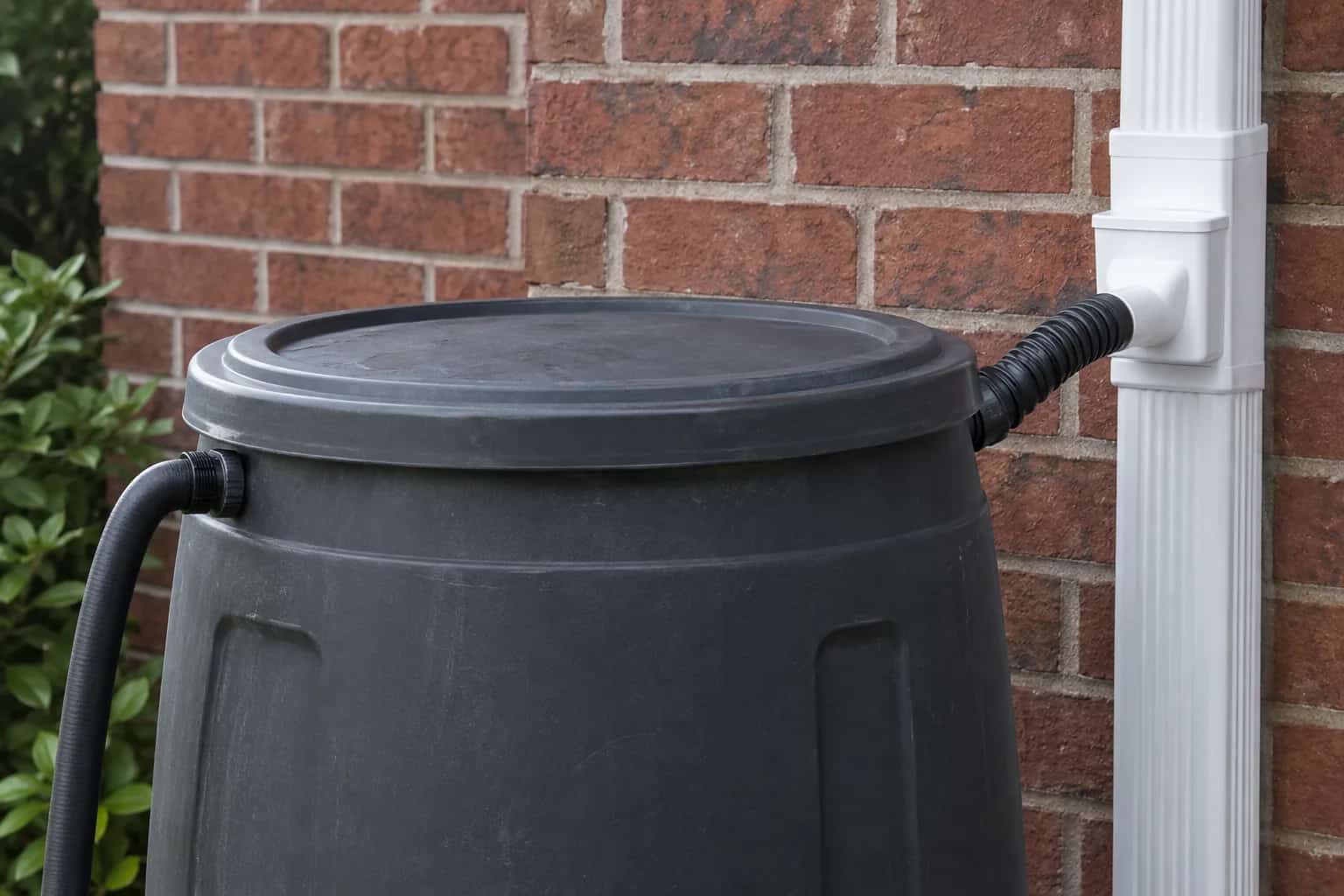
The tomatoes need water, the barrel is full and Pat has the hose in his hand. The owner asks whether the roof water is suitable for food plants. Pat stops before opening the tap. A leaf screen and clear-looking water do not answer that question. When collected roof-water quality is unknown, our practical recommendation is drinkable water for food crops and suitable collected water for non-food planting.
This advice follows Ottawa Public Health's gardening guidance, which recommends drinkable water for growing food. It says collected water used on other plants should be kept in a clean container and should not be contaminated by roofing materials, animal droppings or other pollutants.
Why Garden Advice Can Sound Inconsistent
Toronto's water-efficient landscaping page promotes rain barrels and includes collecting roof water in its vegetable-gardening advice. That broad conservation guidance differs from Ottawa Public Health's food-growing recommendation. Mike puts the two recommendations side by side rather than pretending they say the same thing. Neither page tests the water in this particular barrel.
For a homeowner deciding between a convenient hose and an unknown stored supply, the public-health recommendation gives the clearer boundary. Follow your local health unit's advice if you want to assess a specific collection system. Do not turn a municipal barrel promotion into a claim that every roof-water supply is suitable for edible plants.
The point is not that every barrel contains the same hazard. It is that appearance and the word rainwater do not answer the quality question.
What a Screen Does, and What It Cannot Establish
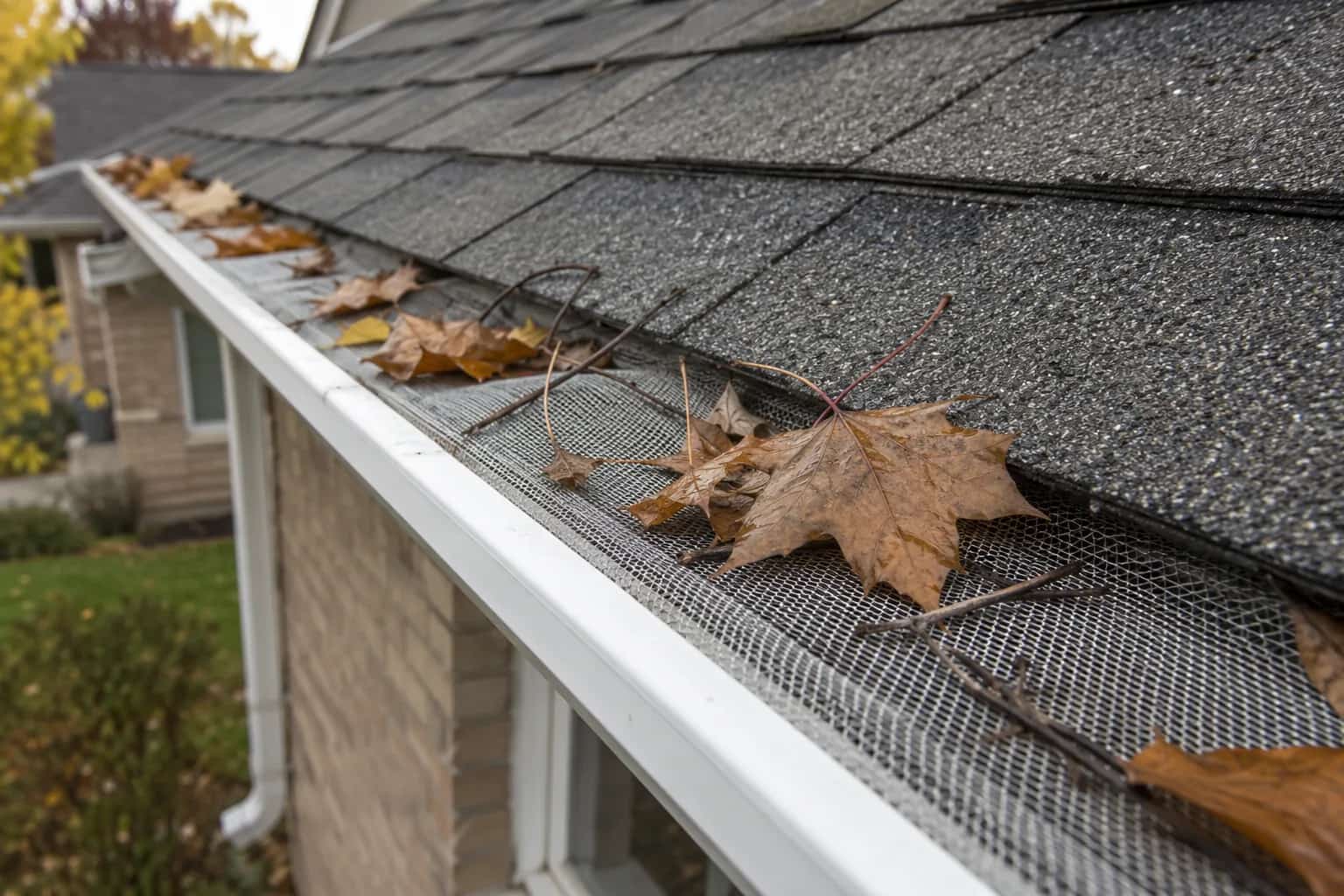
A leaf screen can exclude larger debris. It is not evidence that pathogens or dissolved contaminants have been removed. Similarly, diverting the first portion of runoff does not by itself establish that the remaining water is potable. A treatment claim needs evidence for the actual system and intended use.
Think about the whole route: roof surface, flashings and other materials, gutter contents, collection fittings and storage container. Dave points back along that route when the owner mentions that the barrel is brand new. Its clean appearance is welcome; it does not reset what happened upstream. A clear cupful tells you little about invisible contamination.
This is why we would not recommend a homemade chemical dose or a generic waiting period before harvest. Those shortcuts would need evidence for the contaminants, water conditions and crop involved.
Choose Water by Its Intended Use
Collection hardware and water-quality assurance are separate questions.
Food crops
Use drinkable water when collected roof-water quality is unknown.
Non-food planting
Use clean, suitable collected water; avoid contaminated collection and storage.
Drinking or food washing
Do not treat a barrel screen or first-flush device as proof of potable water.
Does Watering Only the Roots Solve It?
It can reduce one exposure route, but it does not certify the water. Ontario's commercial-crop irrigation guidance explains that contaminated water contacting edible plant parts can transfer pathogens, and that drip irrigation carries less contamination risk than overhead application. That is a relative-risk statement for agricultural management, not an all-clear for an untested household barrel.
A hose kept below tomato leaves is different from spraying lettuce that will be eaten raw. Both still deserve a suitable water source. Wash harvested produce under clean running water as public-health guidance recommends; washing is not a reason to ignore the growing-water choice.
Keep the Useful Part of Rainwater Collection
A barrel can still serve an appropriate non-food garden while tap water serves herbs and vegetables. The owner separates the watering arrangements for vegetables and ornamental planting. Pat labels the intended use where the next helper will see it. A rule kept entirely in one gardener's head tends to leave with that gardener for the weekend.
Water quality also does not solve drainage. A full barrel needs a dependable overflow route away from vulnerable parts of the house. Plan the water's use and its destination separately. You can conserve water without asking an ordinary gutter screen to do the work of a treatment system.