Dave arrived with last winter's frost photographs. The complaint was now in July, with cooling equipment running and wet material in a different spot. Pat put the winter photos beside the new ones. "Useful history. Wrong season to stop asking questions."
Locate exactly what is wet before calling it summer condensation. Roof sheathing, a cold duct, insulation below equipment and a ceiling near a penetration suggest different investigations, including rain entry and equipment drainage.
Begin by identifying exactly what is wet: roof sheathing, the outside of a cooling duct, insulation below equipment or the ceiling near a penetration. Those locations suggest different inspections.
Start With Rain and Equipment
A patch that appears after rainfall still needs a roof-entry investigation. Check the relevant penetrations and water path, even if someone previously called the issue condensation. Wind-driven rain can produce an intermittent pattern that is easy to miss during a dry visit.
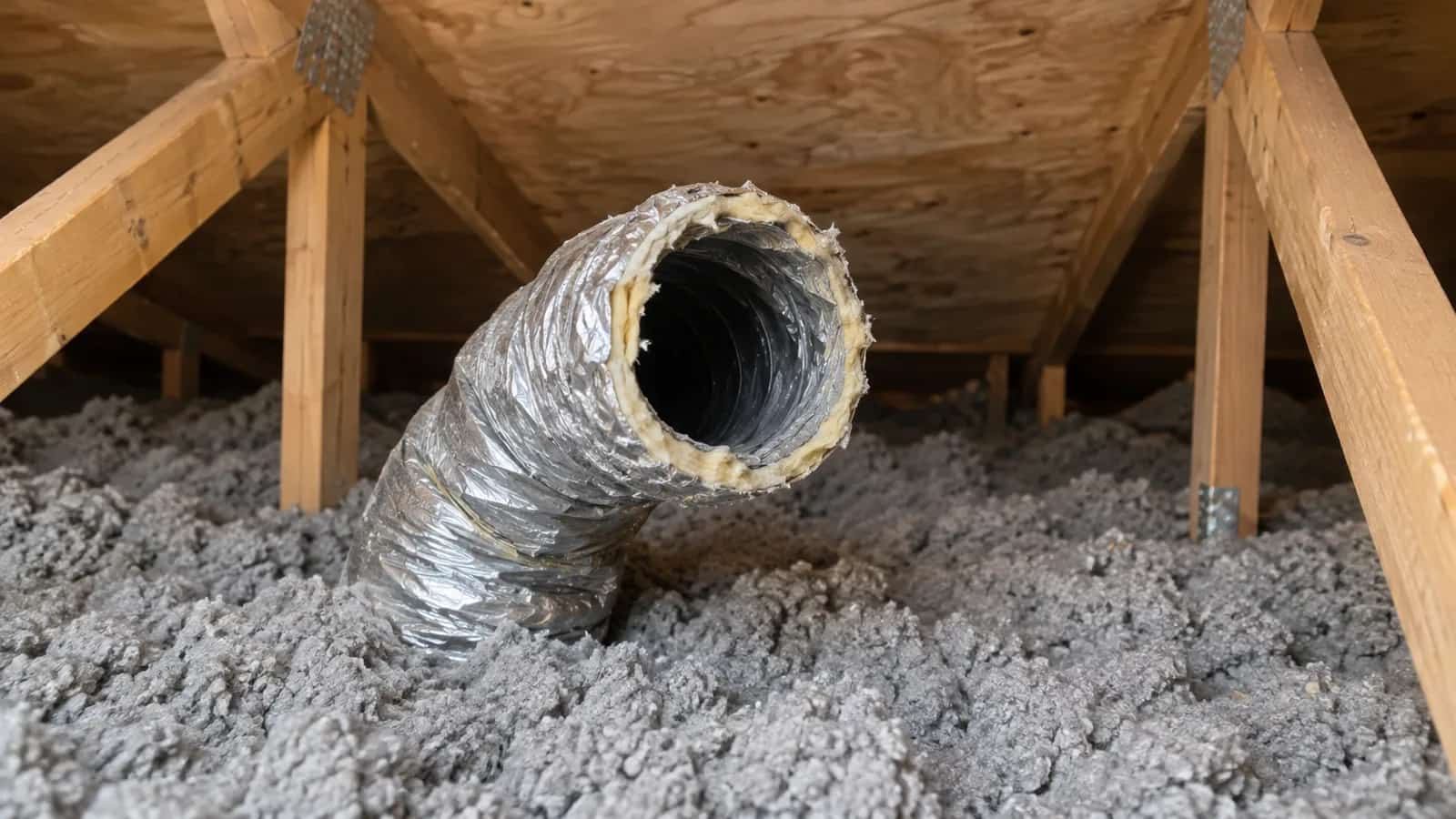
Where air-conditioning equipment or cooling ducts are present in the attic, inspect condensate drainage and cold surfaces. Missing duct insulation or a damaged vapour-resistant jacket can allow humid air to reach a surface cold enough for condensation. An HVAC technician should assess that equipment and its drainage.
A bathroom duct disconnected in summer remains a moisture source too. Warm weather does not make indoor exhaust into the attic acceptable.
Locate the Summer Water First
Different wet surfaces point to different investigations.
Sheathing after rain
Inspect exterior entry routes and water travel along framing.
Cold duct surface
Assess insulation, jacket continuity and local humid air.
Below cooling equipment
Inspect condensate drainage and equipment leakage.
Near exhaust discharge
Confirm bathroom air reaches a sealed outdoor terminal.
A hot attic can contain a cold surface
Condensation requires a surface cold enough relative to the air contacting it. A hot attic does not mean every surface within it is hot. Cold supply ducts are an obvious example, while roof surfaces can experience different conditions over a day and night.
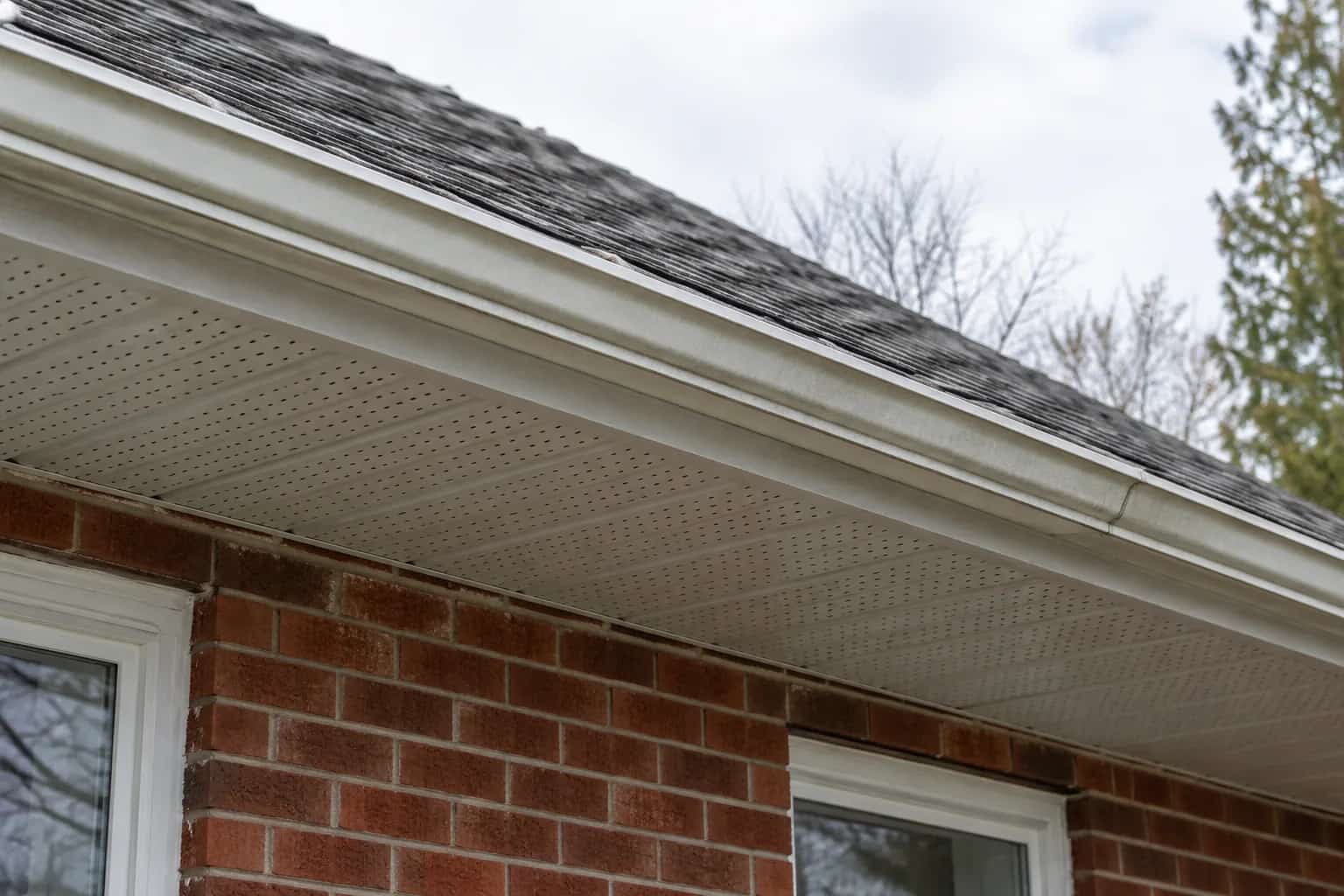
Building Science Corporation's attic ventilation discussion explains why ventilation and vapour-control choices depend on climate and assembly. Advice from a hot-humid US roof should not be transplanted into an Ontario retrofit without considering the whole construction and winter performance.
The first proposed fix was more ventilation. We held that decision until the wet surface and source were identified. Humid outdoor air is not automatically a drying supply, while blocking existing vents without a redesign can create winter trouble. Pat was not keen to solve July by booking a fresh problem for January.
Note the date, recent rainfall, air-conditioning use and indoor humidity. Ask the assessor to identify the wet material and, where useful, compare surface temperature, air temperature and moisture readings at consistent locations.
Dave had an attic humidity reading, but it came from somewhere else in the space. That could not establish the conditions at the cold duct or concealed interface in question. We needed the assessor to relate measurements to the actual wet location. A thermal photograph would need interpretation and confirmation too, however persuasive its colours looked.
Follow the attic moisture log approach, but label the summer operating conditions clearly. If the roof was repaired in spring, include that history without assuming it rules out rain entry now.
The completed repair should address the identified source: flashing, duct jacket, condensate system, exhaust route or a designed enclosure correction. Follow-up needs to reflect the conditions that caused the wetting. Waiting until winter to see whether it returns leaves a summer problem untested for several months.