
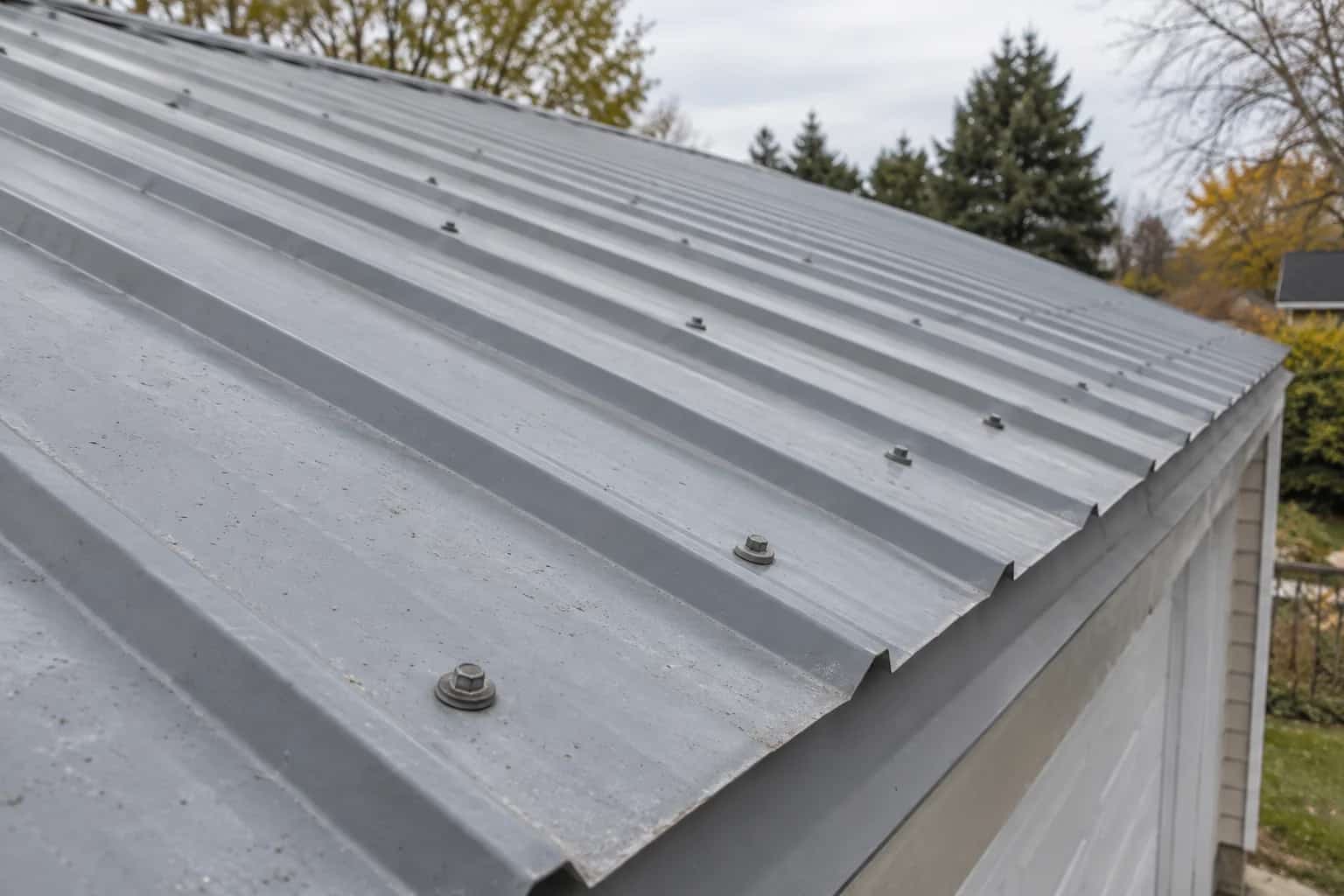
The first quote says 26 gauge. The second says 24 gauge, followed by the word premium. Mike reaches for a pencil before anyone reaches for a credit card.
For comparable steel roofing, 24 gauge is thicker than 26 gauge, but thickness alone does not establish which roof proposal is better. The profile, supporting deck, attachment and design loads still have work to do. Ask for the actual declared metal thickness, too; a gauge description is not a complete product specification.
Compare Like With Like First
A useful comparison holds the other important choices steady. Are both bids for the same panel shape, width, metal substrate and finish? Will both go over the same support? Are the fasteners or clips and the treatment of edges equivalent?
McElroy's M-Cor discussion describes one panel family offered in different gauges. That is a meaningful place to begin a thickness comparison. Comparing a thin exposed-fastener panel with a differently shaped standing-seam system asks several questions at once.
Dave lays two scraps across the bench. One feels stiffer when he handles it. That observation is real enough for the scraps; it is not a wind or snow-load test. "Good," Mike says. "Now we know what happened on the bench. What happens on the house?"
What a Gauge Number Leaves Out
Thickness is one input to the panel's performance on the actual building.
Metal thickness
Ask for the declared base-metal thickness and tolerances.
Panel geometry
Compare rib shape, depth and width rather than colour alone.
Supporting arrangement
Establish solid decking or permitted support spacing.
Attachment and loads
Match fasteners or clips and design requirements to the specified assembly.
The Shape Changes the Behaviour
Ribs and seams give a formed sheet a geometry very different from a flat strip. Panel width and supporting arrangement also belong in the assessment. A gauge upgrade does not allow you to borrow another profile's load table or omit its specified support.
McElroy's technical library publishes separate panel specifications and load tables. Their product-by-product organisation is the useful lesson here: the designer or supplier needs the table for the proposed assembly, with its stated assumptions. US approvals or tables are not, by themselves, confirmation that a particular Ontario installation meets its requirements.
For a home with an existing solid deck, ask how the panel system is intended to sit on that deck. If battens or another support arrangement are proposed, have that complete design explained. The words "air gap" do not define spans, fastening or condensation control.
Ask What the Upgrade Is Supposed to Improve
The bidder should connect thicker material to a relevant aim, such as the specified assembly's performance or a particular handling requirement. Ask what changes in the published system information and what remains unchanged.
Do not accept an unsupported promise that one gauge makes a roof dent-proof, silent or immune to visible waviness. Oil canning has its own causes and appearance assessment. A finish warranty also answers a different question from metal thickness.
Pat has a useful way of interrupting the brochure contest: "If both options meet this roof's requirements, tell us what the extra money buys." That leaves room for a worthwhile upgrade without pretending every house needs the heaviest product available.
The Attachments Still Need Somewhere Sound to Hold
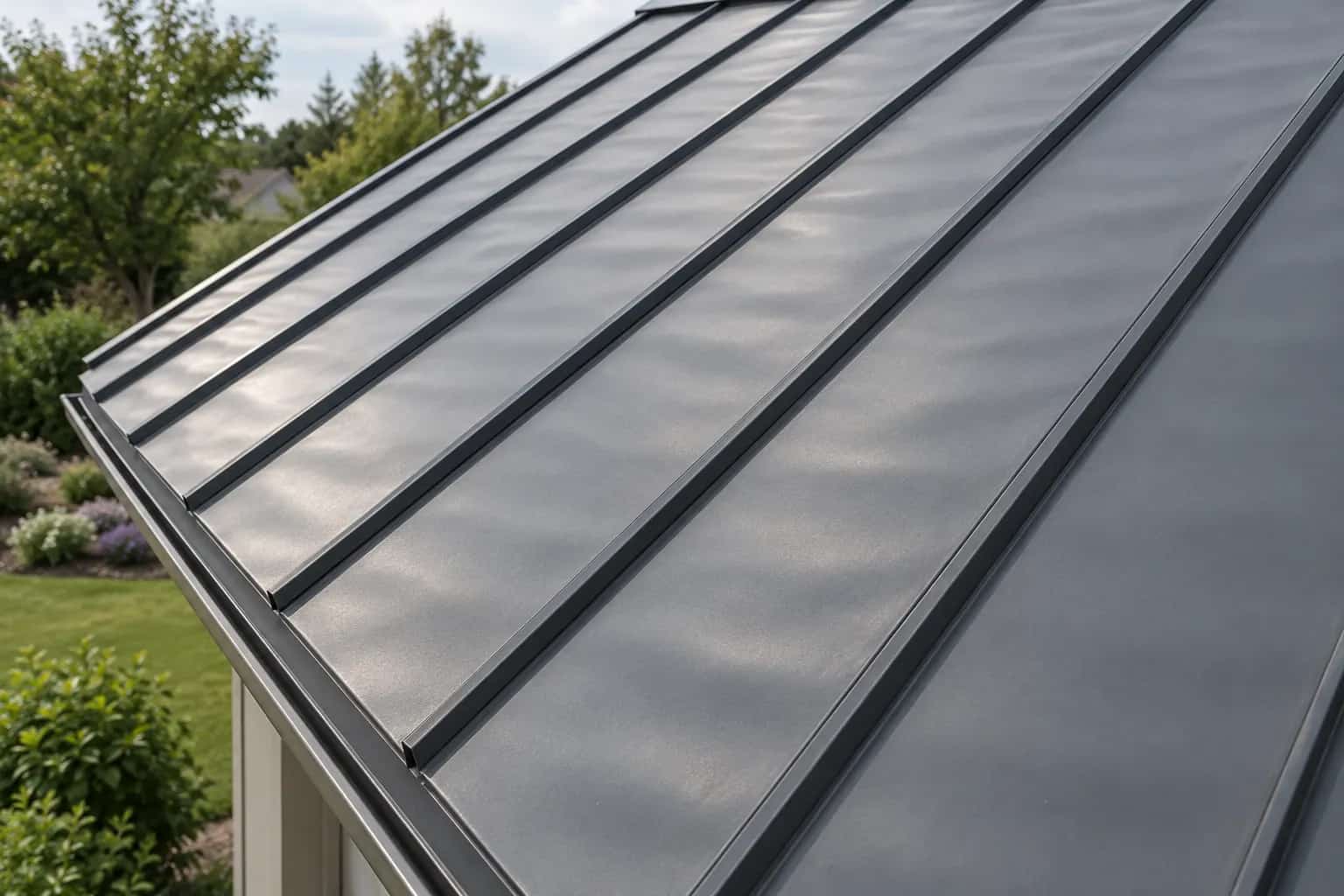
A thicker panel cannot establish that the screws, clips or supporting material are adequate. Ask how the existing deck will be inspected and how unexpected deterioration changes the scope. Keep that decision separate from the colour selection.
For exposed-fastener systems, include the specified screw and washer arrangement and future inspection needs. For standing seam, include the clip and movement details. Our exposed-fastener guide and seam-profile comparison take those questions further.
What Should Appear on the Final Specification?
Record the manufacturer, panel profile, metal, nominal thickness or gauge, finish, substrate, supporting arrangement and attachment system. Then identify who is responsible for confirming its suitability for the building and location.
That makes two prices comparable. It also gives the delivery check something definite to match. If an alternative gauge arrives, the crew should not decide its equivalence simply by lifting the bundle and announcing that it feels substantial.
Choose from complete, suitable systems. Gauge belongs in the decision; it should not be asked to make every other decision on its own.