
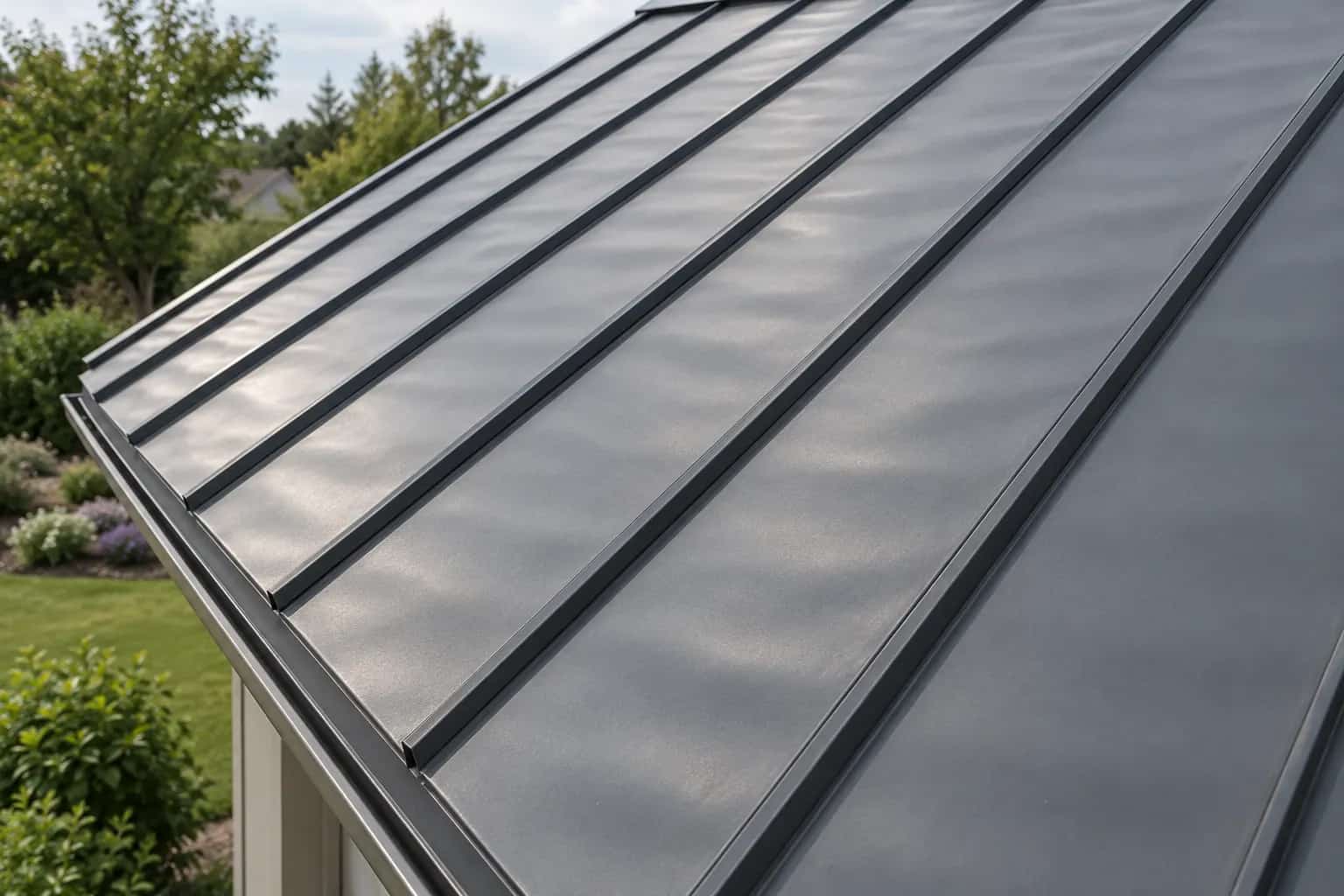
Two grey metal samples land on the table. Dave tilts them toward the window. One looks darker, then the other does. The afternoon sun has joined the quotation meeting without being invited.
PVDF and SMP describe different resin families used in factory-applied coatings. The useful choice depends on the named finish, colour, appearance priorities and written terms, alongside the metal roof itself. A more expensive paint system does not correct an unsuitable panel or a badly detailed junction.
What the Letters Actually Describe
PVDF means polyvinylidene fluoride. SMP means silicone-modified polyester. PPG's coating comparison explains the difference and discusses PVDF's strong colour/chalk resistance and SMP's durable finish and price-to-performance appeal. It also notes that resin and pigment formulations matter within these categories.
These are factory coating systems, not instructions to paint a roof with a similarly named tin of site-applied paint. The coated material is formed into the roofing product under the manufacturer's process.
Mike writes the full finish name beside each sample. "Grey metal" is crossed out. That description had been doing rather a lot of unpaid work.
Decide Which Appearance Matters to You
A prominent front slope is seen every day. A low rear addition may be visible mainly from an upstairs window. A deep saturated colour and a quieter neutral colour also create different appearance expectations.
Take the real samples outside and look at them in sun and shade. Compare them with brick, siding, fascia and neighbouring metalwork. Ask whether the flashings and trims use the same finish system and colour specification. A beautiful field panel beside noticeably different trim is an avoidable surprise.
Do not infer coating chemistry from gloss, smoothness or the way the sample feels. Ask the supplier to identify it. Small samples are excellent for discussing colour; they are poor substitutes for written specifications.
Keep the Finish Separate From the Panel
Several different specifications sit behind one colour sample.
Visible finish
Identify the factory coating system, colour and gloss.
Protective system
Confirm the primer and coated-metal substrate named by the supplier.
Panel and attachment
Check profile, thickness, support and fastening separately.
Written promise
Read the actual finish remedy and qualifying conditions.
Read the Finish Warranty by the Complaint
Look for the terms that address the problem you actually care about: colour change, chalking, peeling or another stated finish condition. What does the document measure? How is a claim assessed? What remedy is available, and what exclusions or maintenance duties apply?
A warranty duration alone cannot answer those questions. Two documents can run for similar periods while allowing different changes or providing different remedies. Obtain the terms for the exact product and Canadian installation, rather than carrying a headline from a US sample sheet into an Ontario contract.
Pat's favourite question at this point is unglamorous: "If you agree there is a covered problem, who does what?" It gets the conversation away from adjectives and toward repainting, replacement or another actual remedy specified in the document.
Keep the Rest of the Metal Roof on the Page
Factory finish, metal substrate, thickness and panel profile are separate specifications. Ask for all of them. The gauge guide explains why a thicker sheet is not a complete performance comparison either.
Cut edges, penetrations, compatible fasteners and handling also deserve the panel manufacturer's instructions. A premium coating should not be used as an excuse to accept scratched panels without assessment or an improvised repair colour. Ask how delivery damage and installation marks will be reviewed before the job is called complete.
If the project is repainting an existing roof, use our repainting guide. A new factory finish comparison does not establish that an old surface is ready for another coating.
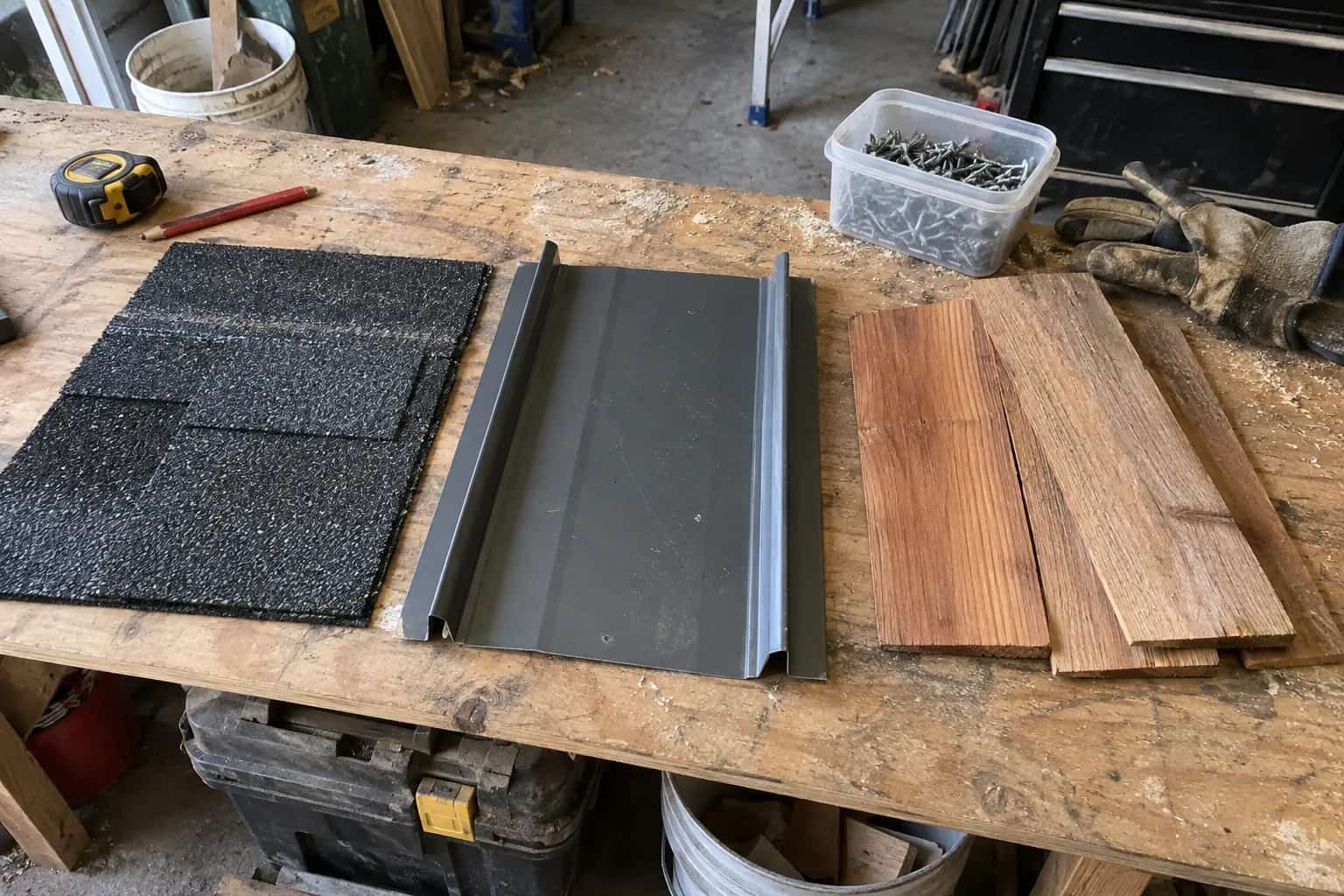
The Better Quote Is Specific
After the sample meeting, the useful document names the panel, substrate, nominal thickness, factory finish, colour and trim, then attaches the applicable terms. It also explains how the roof will be installed.
Choose the finish that suits your priorities within a sound roof specification. Dave can keep turning the samples in the light for appearance. Mike still wants the product names written down. Both checks matter; only one can be done from a colour photograph.