
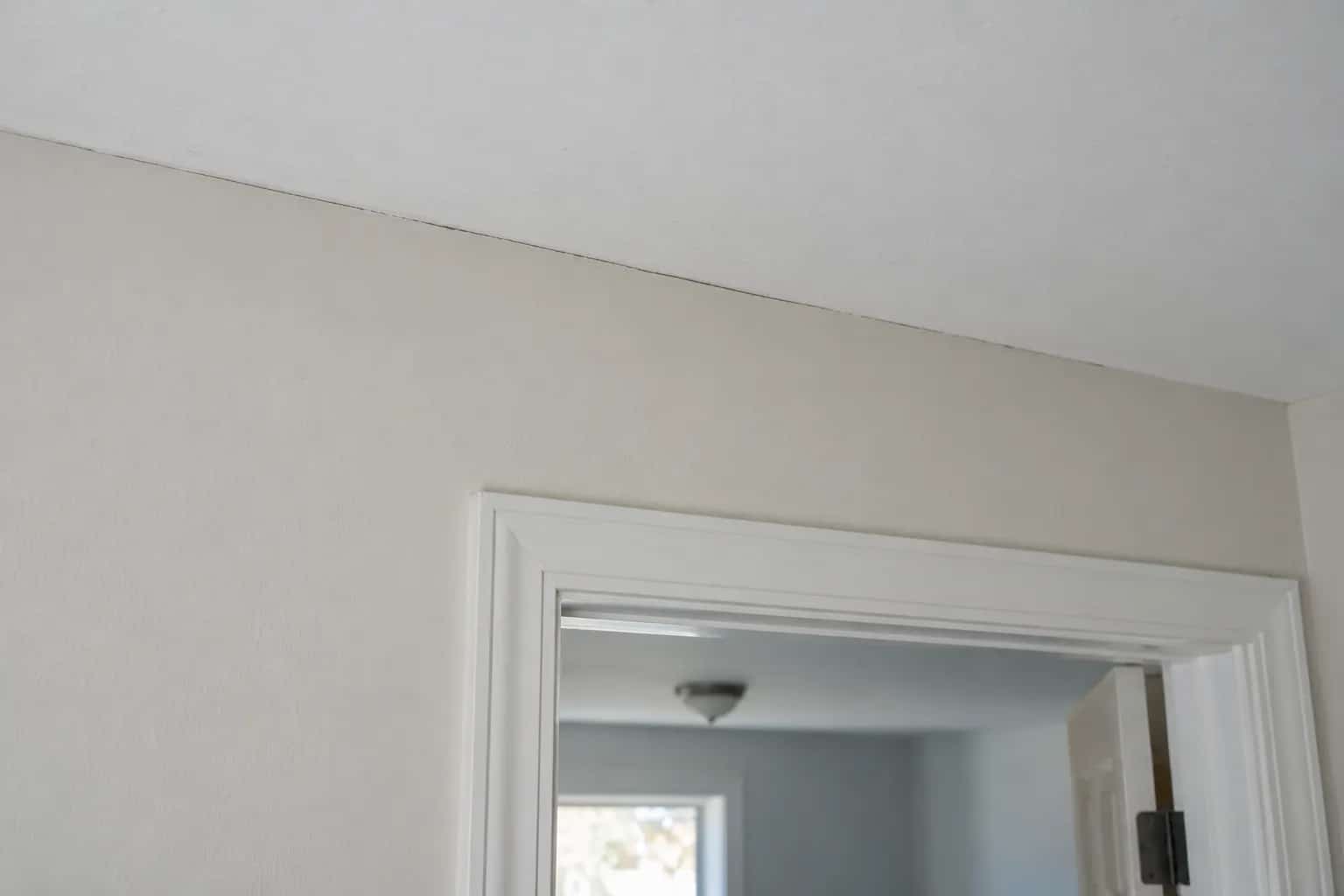
The hallway had become a seasonal decorating project. Dave looked at the neat paint line, then at the photograph showing the same ceiling joint open the previous January. The repair compound was still in the cupboard. "At least you know the colour," he said.
A ceiling-wall gap that opens and closes seasonally can be truss uplift. Confirm that before patching again, and do not let the familiar name excuse sudden movement, damaged framing or an altered roof structure.
Truss uplift is one possible cause of a ceiling-wall gap that opens and closes with the seasons. It needs confirmation. Not every crack is truss uplift, and the phrase should never be used to dismiss sudden movement, damage or an altered roof structure.
Two Parts of One Truss Experience Different Conditions
A roof truss has upper members following the roof slope and a lower member spanning above the ceiling. In a typical insulated attic, those members can experience different temperatures and moisture conditions. Their dimensional changes can differ, changing the truss shape slightly and lifting the ceiling connection away from an interior partition.
Building Science Corporation explains this moisture difference. It also describes floating drywall corners that allow movement without forcing the finished joint to crack. That is a design principle for a suitable assembly, not an instruction to start removing ceiling screws.
A joint that repeatedly closes in warmer weather is therefore an important clue. So is its position along an interior wall. Neither proves that the wall is non-load-bearing or that the structure above is sound.
Seasonal Movement and the Finished Joint
A simplified sequence for verified truss uplift; sudden or unexplained movement needs separate assessment.
Different member conditions
Upper and lower truss members experience different moisture and temperatures.
Truss shape changes
Differing dimensional changes can move the lower member at a partition.
Joint is strained
A rigid finish connection can open or crack as the members move.
Appropriate movement detail
A qualified repair accommodates verified movement while preserving support and air control.
Put the longer screw down for a moment
The tempting proposal was a longer screw to pull the ceiling back down. Pat put that idea on hold. With verified seasonal uplift, a rigid connection may transfer the movement into another joint or finish. We needed to understand the framing before fastening anything. The ceiling had already demonstrated that it could defeat a tub of compound; offering it more hardware without a diagnosis was not much of a plan.
The structure must be understood before altering its connections. The Structural Building Components Association describes trusses as engineered assemblies, with designed bearing points that carry loads. Some arrangements have interior bearings. Guessing that every interior wall is optional is a poor basis for repair.
A qualified assessment should establish the framing type, the wall's role, the movement pattern and the condition of connections. No cutting, drilling, improvised bracing or jacking belongs in a cosmetic ceiling-patch visit.
Useful Seasonal Evidence Without Waiting on Danger
For the stable recurring joint, we arranged the dated photographs in seasonal order. The wide views showed the wall-to-ceiling connection; the close-ups showed the gap. We also wanted to know whether it fully closed, whether nearby doors changed operation and whether attic or roof work preceded it. Those details could help the assessor distinguish a recurring pattern from a new problem.
Do not wait for spring if the movement is new, rapidly increasing or accompanied by damaged framing or a changed roof line. Sudden movement, cracking sounds or falling material that raise concern about structural failure mean leaving the building and calling emergency services. A familiar seasonal crack and suspected failure require very different responses.
Our sagging-roof guide addresses exterior shape changes. They should not be relabelled as harmless interior uplift because both involve trusses.
Repair the Detail That Is Actually Moving
Once seasonal movement is confirmed, the finish repair may use a designed detail that lets the ceiling and partition move appropriately while maintaining necessary support and air-control continuity. The right approach depends on the existing construction and access.
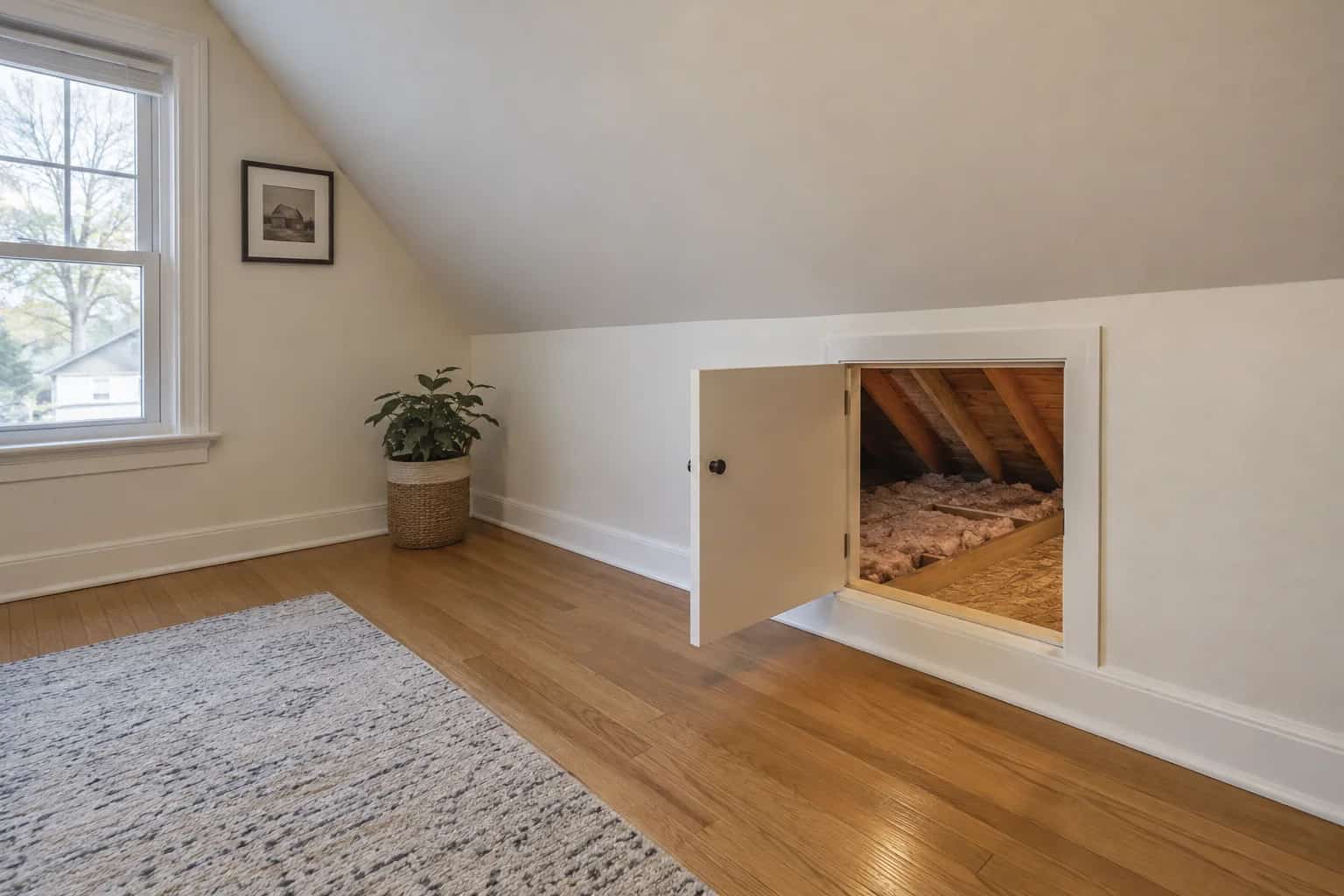
An attic moisture defect should also be addressed if found. NRCan recommends checking roof framing and moisture conditions before attic upgrades. But extra vents alone should not be sold as a guaranteed way to stop wood movement.
The useful outcome is a confirmed cause and a finish connection that can live with it. A smooth photograph taken on the day of repair tells you less than a joint that performs through the next comparable winter.
By the time we returned to the hallway photos, the question had changed from "Which filler?" to "Which connection is moving, and how should it accommodate that?" Keep the seasonal record after the repair. June can make almost any January gap look cured.