
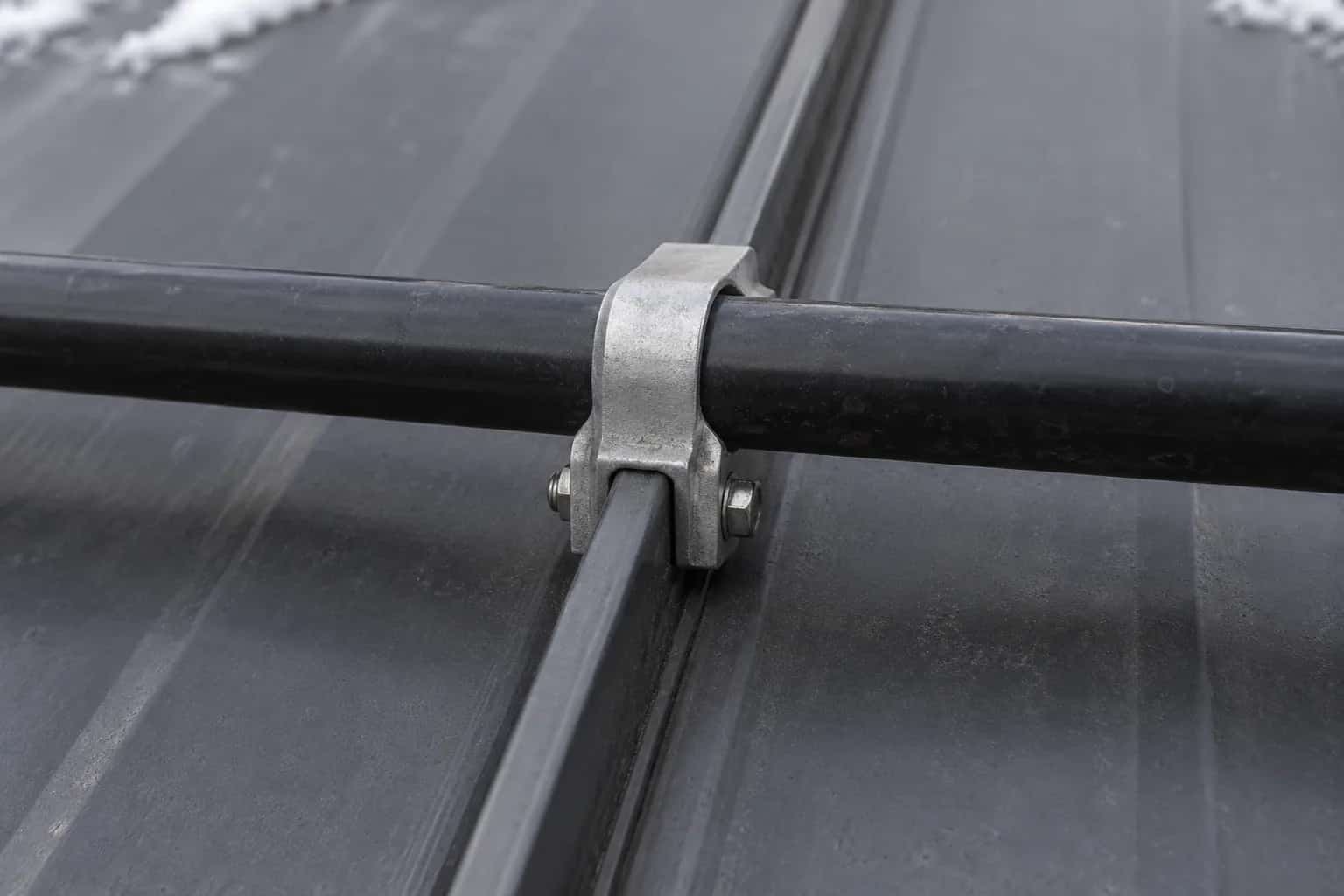
Standing-seam roofing has to stay secure while allowing the movement its design requires. The clips, seams and end details matter as much as the panel you can see.
The accessory bracket looked solid. Dave liked that until Pat asked where its screw ended. A new fixed point in a moving metal panel can be the wrong kind of solid. We went back to the roof system information before approving the attachment.
The Seam Is Only the Visible Part
Many standing-seam systems use clips beneath the raised seams. The clips, fasteners and panel details work together, but not every system uses the same arrangement or allows the same movement.
McElroy Metal's standing-seam information guide discusses thermal expansion and contraction as part of system planning. Panel length, material and temperature range all affect the design question.
Ask which panel and attachment system is proposed, how movement is accommodated and where the system is intentionally fixed. A general answer that metal floats is too vague to describe an actual roof.
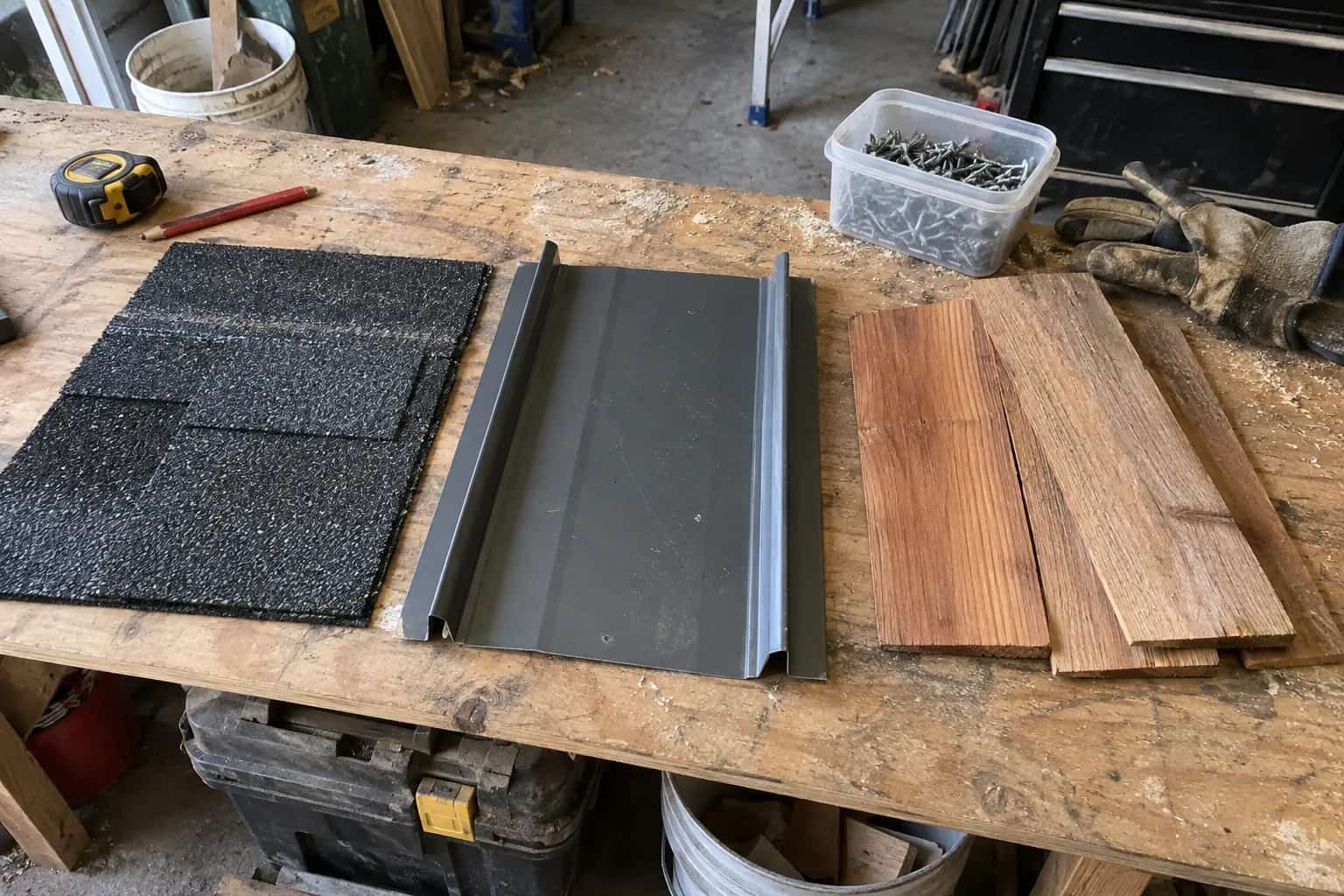
On a shallow slope, compare snap-lock and mechanically seamed systems using the actual panel approval and water-control detail.
Preserve the Designed Movement Path
Temperature movement must remain possible after every roof junction and later attachment is considered.
Panel changes length
Sun and seasonal temperature changes create repeated expansion and contraction.
Attachment accommodates it
The selected clips or other system details provide the designed restraint and movement.
Junctions remain compatible
Ends, flashings and penetrations must not unintentionally lock the panel.
Later equipment is coordinated
Solar and snow-retention attachments need system-specific approval.
Ends and Openings Need to Agree
A panel may be attached correctly through most of its length and still be constrained by an incompatible detail at an eave, ridge or penetration. Flashings and closures must suit the intended movement as well as keep water out.
Skylights, chimneys and roof equipment make this more complicated. Their connections cannot be designed as isolated patches without considering how the surrounding panel moves.
We asked for the detail covering the unusual junction rather than accepting a diagram for an uncomplicated rectangular roof. Dormers, skylights and equipment connections can change the work. The manufacturer's detail needed to fit the actual panel and intersection; a tidy generic sketch was only the beginning of that discussion.
The new bracket has to respect the old design
That convenient flat spot for the bracket was exactly why we paused. Driving through the panel could create a water penetration and an unintended fixed point. Pat asked for the specified attachment, not a promise that the screw would be tight. "Tight" was not the missing information in this conversation.
Solar panels, snow-retention equipment and other attachments therefore need approval for the actual seam profile and assembly. Seam clamps are also product-specific: avoiding a hole does not establish suitable placement, load capacity or compatibility.
Give the accessory installer the roof manufacturer and panel information before equipment is ordered. The roofing and accessory installers should agree on the connection and their responsibilities. A claim that an attachment fits every metal roof is less useful than a detail both can explain for this one.
Noise and Waviness Need Context
A metal roof can make occasional sounds as temperatures change, and flat panel areas may show visual waviness. Neither observation alone proves a failure of thermal movement.
However, new distortion, damaged seams, loose parts or leakage deserve inspection. Record when the change occurs and whether it followed new equipment or a repair. Do not add screws to quiet a noise without a system-specific diagnosis.
Keep Useful Roof Records
Save the panel profile, finish, attachment details and installer information with the maintenance documents. Photographs during installation can help future contractors understand concealed components.
For the buying comparison, exposed-fastener roofing has a different attachment arrangement. For a roof already installed, preserve its specified movement when approving later equipment or repairs.