
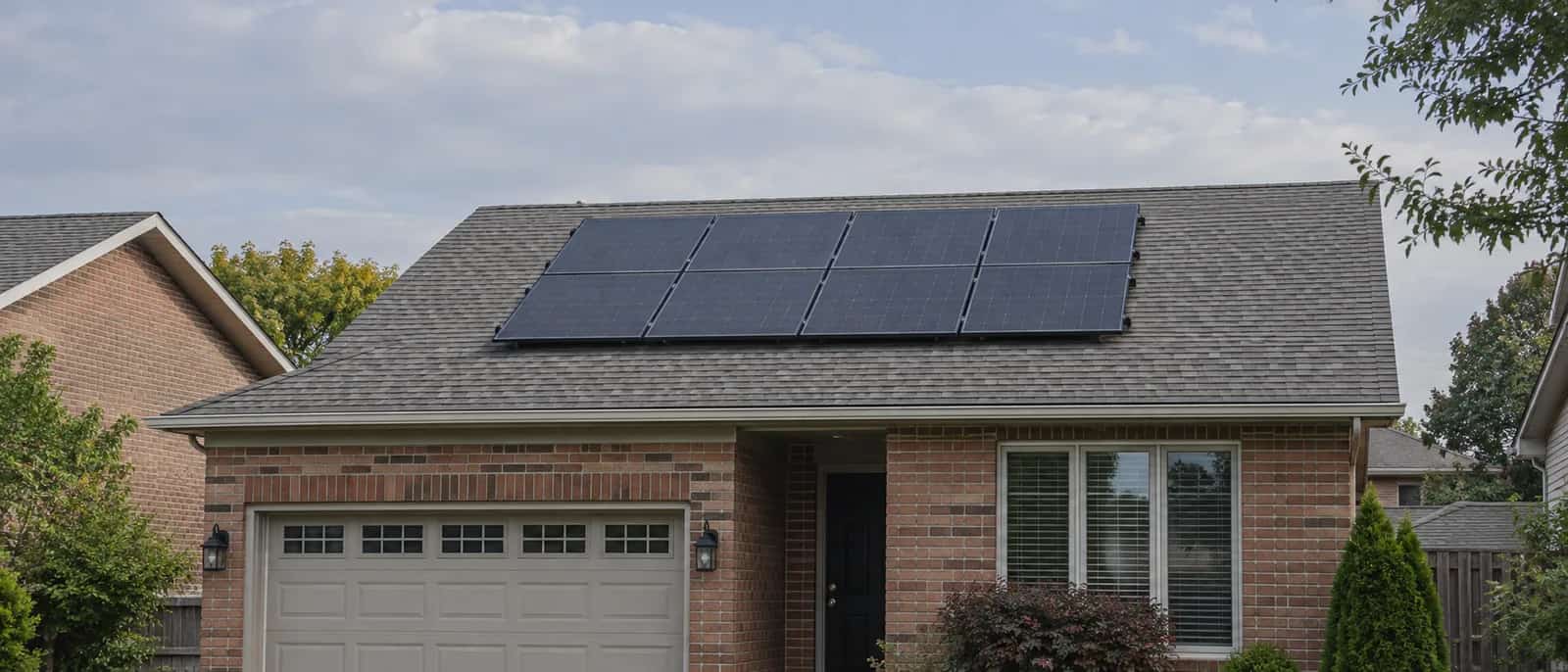
The monitoring app shows very little generation and the array is covered in snow. That can be frustrating without being a reason to climb onto an icy roof. Separate the lost-output question from the questions of falling snow, structural loading and equipment damage. Each needs a different response.
Keep clear of areas where snow or ice may slide from the panels. If the building shows possible structural distress, follow the emergency steps in the snow-load guide. Do not enter the attic or go onto the roof to measure the accumulation.
The owner holds out the production graph as though it is a medical chart. Mike looks at it, then at the path beneath the array. The graph explains the frustration; the path explains the first practical decision. They keep people away from the shedding area before debating a service visit.
The App Does Not Show the Whole Roof
Record the date, visible snow cover and any system alert. A graph of reduced output cannot reveal the weight on the structure, whether an attachment is damaged or where snow will fall. It also does not prove that every electrical component is operating normally.
If the installer provides weather-adjusted monitoring or fault support, use it. Ask whether the current behaviour is consistent with snow cover and whether an alert needs service. Once the panels clear, persistent abnormal output deserves investigation rather than being indefinitely blamed on winter.
Suppose an array remains covered for a few days while its owner is away. Paying for access solely to recover a short period of generation may make little sense. If the same accumulation threatens the only entrance, the access hazard changes the decision. Do not let an electricity graph decide a safety question.
Find the Manual for the Installed Modules
The roof contains an electrical system as well as glass and snow. Canadian Solar's bifacial-module manual, for the models it identifies, gives specific cleaning limitations and electrical precautions. It is a product example, not a universal instruction for every array. Use the current manufacturer document library and your installer to match the installed model and applicable instructions.
Do not assume that switching off an inverter makes all rooftop wiring safe. Do not disconnect connectors, walk on modules or scrape frozen material from the glass. A tool suitable for shingles may damage a panel, frame, cable or mounting component.
Ask a proposed service provider which method is permitted by the module manufacturer and how it protects the roof underneath. Access, fall protection and control of the area below belong in the scope. A telescoping tool does not make the work suitable if it puts the operator beneath sliding snow or near electrical lines.
A neighbour has offered a roof rake. Dave asks what its edge is permitted to touch on these modules, and the offer pauses. It is not a verdict on the neighbour or the tool. It is a reminder that equipment bought for one surface has not automatically been approved for another.
The Mounting and Snow Plan Matter Together
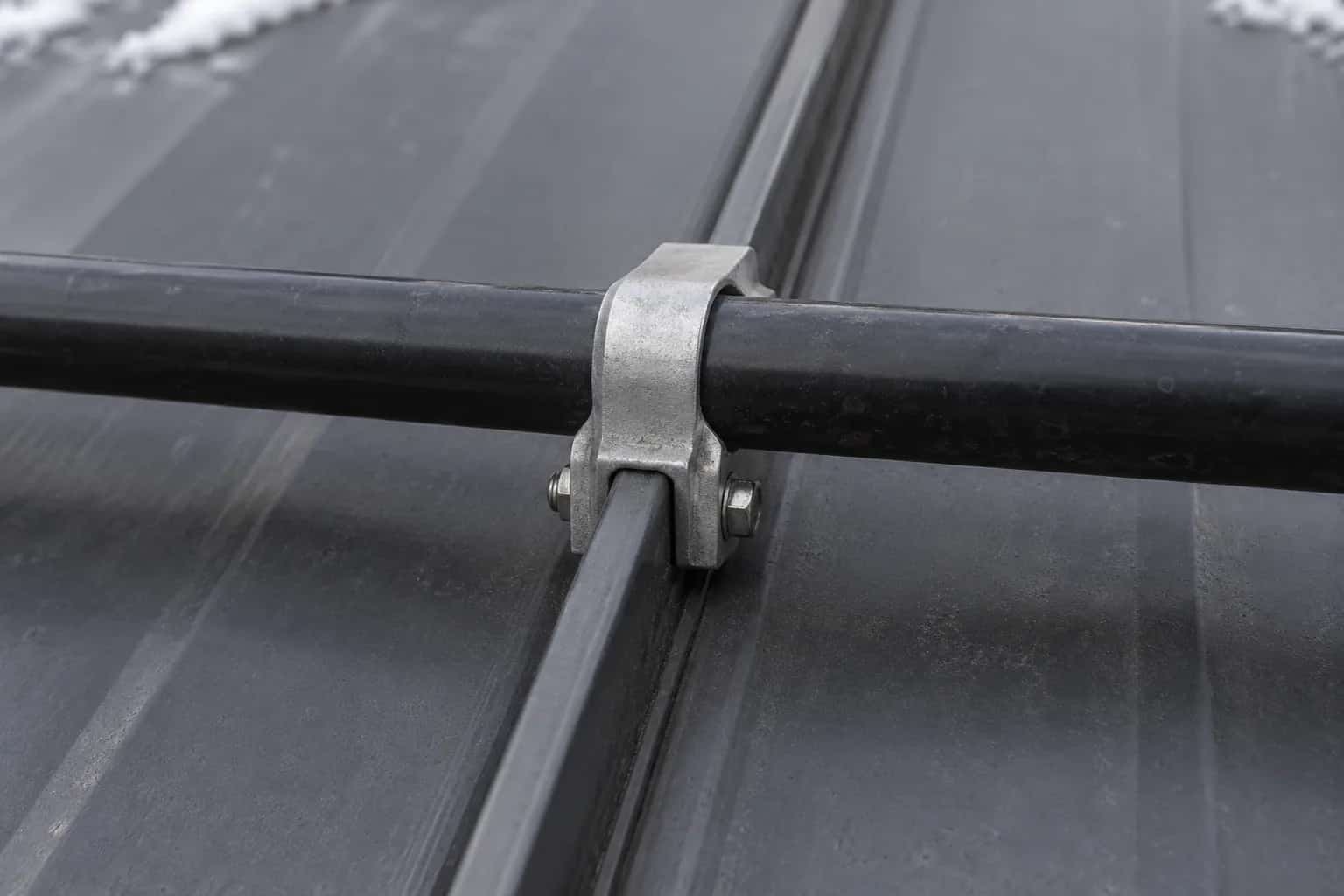
NRCan's photovoltaic-ready guidance identifies wind, snow and attachment considerations for roof-mounted arrays. Adding panels changes the assembly being considered. A snow-retention product should therefore be selected for the actual roof and array arrangement, not added wherever an owner can reach.
If snow repeatedly lands on a path, have the installer and the relevant roof or structural professional review the situation. Show the array layout, entrances and where snow has been observed landing. Retention, controlled access and other changes should be evaluated together.
Do not attach homemade barriers to module frames. Nor should a contractor assume the roof manufacturer accepts a new penetration because the array already contains some. Keep the proposed system and warranty compatibility documented.
Choose the Question Before the Service
Generation, shedding and structural concerns need different responses.
Low generation
Compare snow cover and monitoring with the installer.
Falling snow exposure
Keep the area clear and assess the roof-and-array arrangement.
Possible overload
Use structural assessment and emergency directions where distress appears.
Removal proposal
Require a model-compatible method and safe access plan.
Decide What Completion Means
For removal work, ask for before-and-after records, any damage found and confirmation that the agreed method was used. For a recurring shedding problem, ask for the design and future inspection requirements. For an electrical fault, obtain the service finding and restored monitoring record.
These are different deliverables. A clear panel surface does not establish that a damaged mount was repaired, and a normal production graph does not make an icy walkway safe.
Before next winter, keep the installer contact, equipment schedule and snow-management instructions together. The best time to decide who can service an array is while its roof is dry, not while standing beneath it with a rake bought for something else.