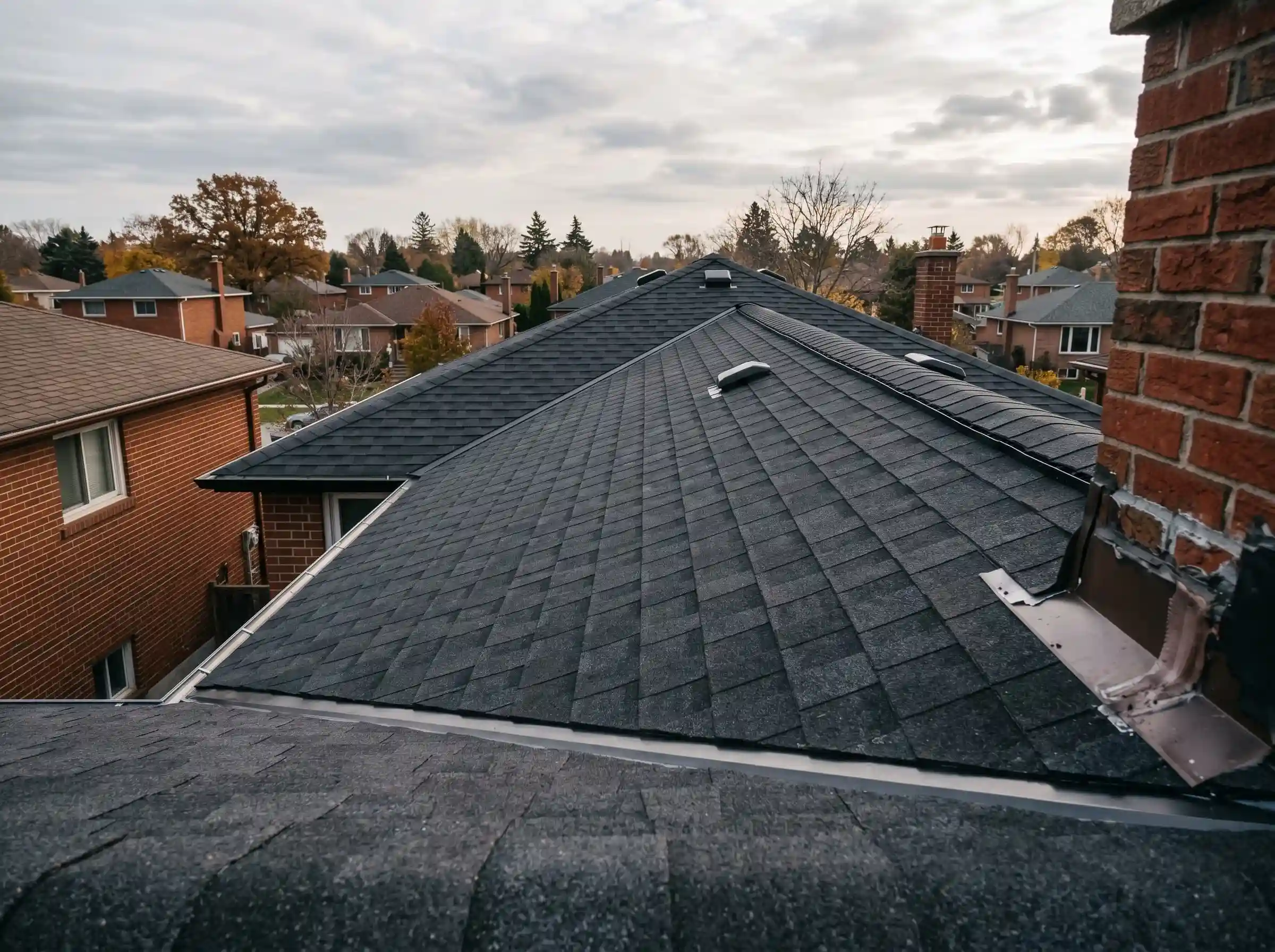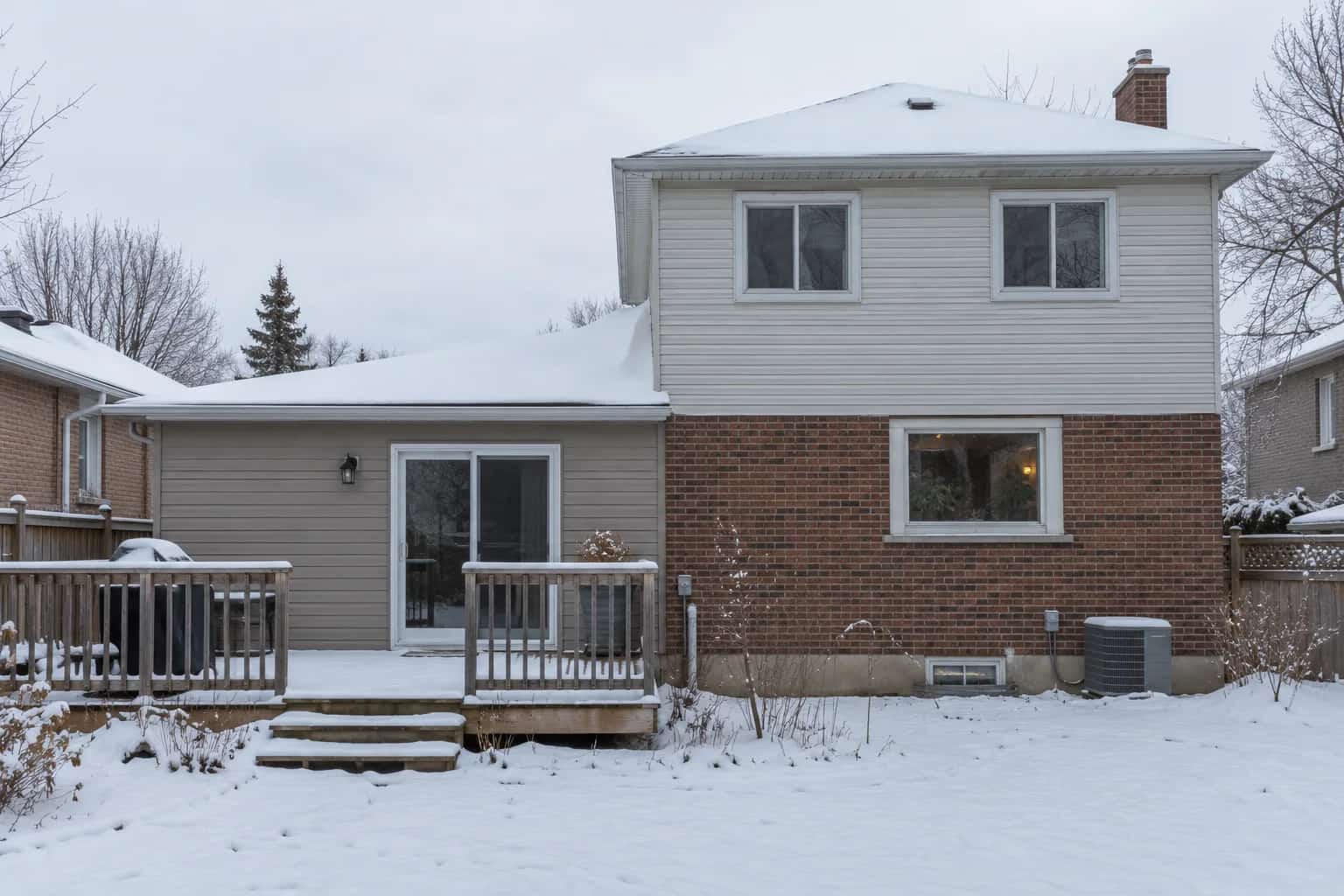
There is no universal snow depth that tells you a house roof is safe. A shallow, wet accumulation can be very different from a deep layer of fresh snow, and a drift beside an addition loads one area more heavily than the view from the street suggests.
If the building develops new sagging, loud cracking, rapidly growing cracks or other signs of possible structural failure, leave the building immediately, keep clear of it outside and call 911. Do not go into the attic to get a better look. A photograph is never worth entering a space that may be failing.
What changes deserve attention?
The familiar sticky bedroom door is one thing. Several doors suddenly binding after heavy snow, with a changed ceiling shape, is another. Mike's question is what changed, not whether the owner can collect enough symptoms to win an argument. Do not wait for a complete set: possible structural failure calls for the emergency action above. A quiet ceiling does not reveal concealed framing capacity.
No visible warning is a certificate of safety. Some structural problems remain concealed, and a homeowner cannot inspect the capacity of a roof from the driveway. If the accumulation is unusual for the property or the roof has a history of damage, seek advice before waiting for a symptom.
The National Research Council's snow-load guidance explains that design considers local snow and rain conditions. Its general information is not a load rating for an individual house. Ontario's current snow-loading alert recommends engineering assessment of concerning loads and structural distress, and warns that unsafe removal can itself cause collapse.
From a visible change to a qualified decision
A snow-depth photograph starts a record; it cannot finish a structural assessment.
Observe from safety
Record new sagging, cracks or unusual sounds without entering the attic.
Escalate distress
If failure is suspected, leave the building, keep clear outside and call 911.
Assess locally
An engineer considers the structure, roof shape, existing damage and accumulation.
Plan any removal
The assessor and removal crew agree how to manage loads and protect people.
What changed in the building?
Once everyone is safe and an assessor is involved, Pat asks about the addition and the wall removed downstairs. The recent shingle invoice comes out first. Keep it, but find the drawings and structural repair records too: a five-year-old covering does not mean five-year-old framing. Known leaks and decay belong in that account.
Describe where snow has collected, using landmarks visible from a safe location: over the garage, beside the upper bedroom wall, or behind a parapet. Mention rain, thawing and refreezing since the last snowfall. An assessment may require a structural engineer, especially where capacity is uncertain or distress has appeared.
Dave leaves the internet snow-weight calculator closed. Subtracting a guessed weight from a design number found online would look impressively precise and tell us too little about this building. Applicable loads, combinations and the structure's condition need proper assessment.
Taking snow off changes the loading
"Can you just take some off?" is understandable, but it is not a removal plan. Taking snow away changes load distribution; people and equipment add weight, and sliding snow endangers the ground below. The crew needs assessed instructions, not a direction chosen because that corner is nearest the ladder.
A removal plan should identify who made the loading assessment, which areas are included and how access below is controlled. Follow the assessor's instructions on occupancy and access while the work is arranged.
For the two weather patterns most easily underestimated, read about rain falling on existing snow and drifts beside taller roofs. Both explain why the deepest patch and the average depth can tell very different stories.