
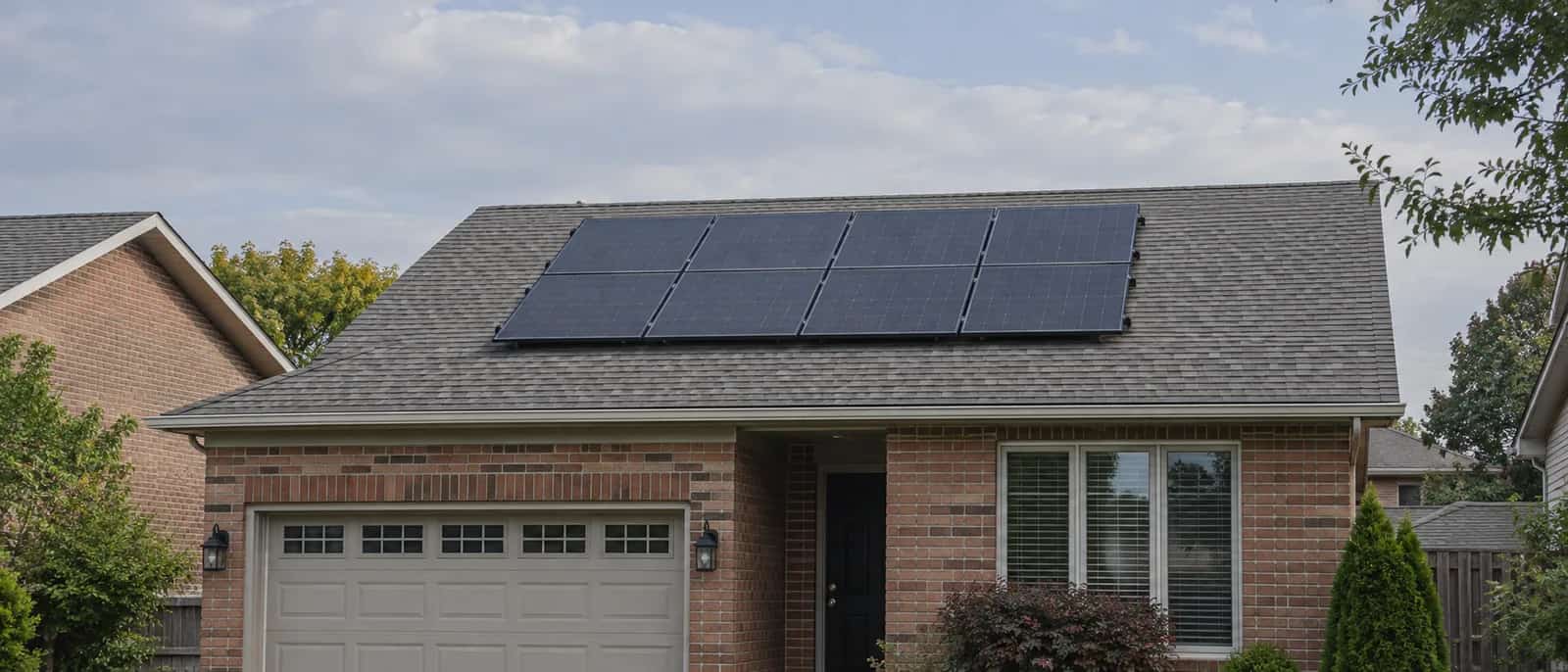
The solar layout is beautifully tidy. It also covers the patch beside the plumbing vent that the owner has been meaning to investigate. Mike puts a finger on that spot. Assess the roof before booking panels, and agree future access costs before the installation makes repairs harder to reach. Sound roofing may stay; an avoidable hidden problem deserves attention now.
Assess the roof before booking the panels. Replace roofing that needs it, keep sound roofing where that makes sense, and know what future access will cost. Taking a solar installation apart to reach an avoidable roof problem is an expensive way to revisit the decision.
Inspect the roof that will sit under the panels
Give the roofer the installation date if you have it, repair history and proposed panel layout. Ask about shingles, flashings, roof decking and existing leaks across the areas that will become harder to access.
Give that history to the roofer alongside the panel layout. The useful assessment follows the areas that will become harder to reach, including the old patch, rather than assigning the entire roof a verdict from its age.
NRCan's Photovoltaic Ready Guidelines advise builders to consider roofing with at least 25 years of serviceable life to align with the expected PV system life. That is new-home planning guidance, not a rule that every existing roof must be replaced or a promise about how long yours will last.
For an existing home, ask the roofer to explain the likely maintenance and replacement outlook, including uncertainty. Then share that assessment with the solar installer.
The owner asks how old a roof must be before replacement is automatic. Dave returns to the condition of the actual panel area and the repair history. A year on an invoice is useful information, but it cannot explain whether that patched junction stayed dry.
Plan the roof and panels together
Ready now, or roofing first?
Roof condition, structural capacity and the cost of future panel removal need separate answers.
Assess the roof before reserving installation.
Review the roof's condition and likely remaining service with a roofer. Share the findings and proposed panel layout with the solar installer.
- Bring
- The roof's age, repair history and any leak records.
- Ask
- What work is likely while the panels are in place?
- Decide
- Whether addressing deterioration now avoids later disruption.
No universal roof-age cutoff or panel-removal price fits every house. Plan from the assessed condition and written scope.
Good shingles do not answer the weight question
Roof condition and structural capacity are separate checks. A fresh covering tells you nothing by itself about whether the framing can carry the proposed equipment and design loads.
Toronto's solar planning questions specifically ask whether replacement or structural reinforcement is needed. Have the solar team arrange the appropriate structural assessment and confirm local approval requirements. Resolve any required reinforcement before treating the roof as ready.
The solar proposal is detailed about installation and vague about removal. Pat asks who disconnects, stores and reinstalls the equipment if roofing work becomes necessary. The homeowner adds those questions before signing. Future access is easier to discuss while everyone still wants the project to proceed.
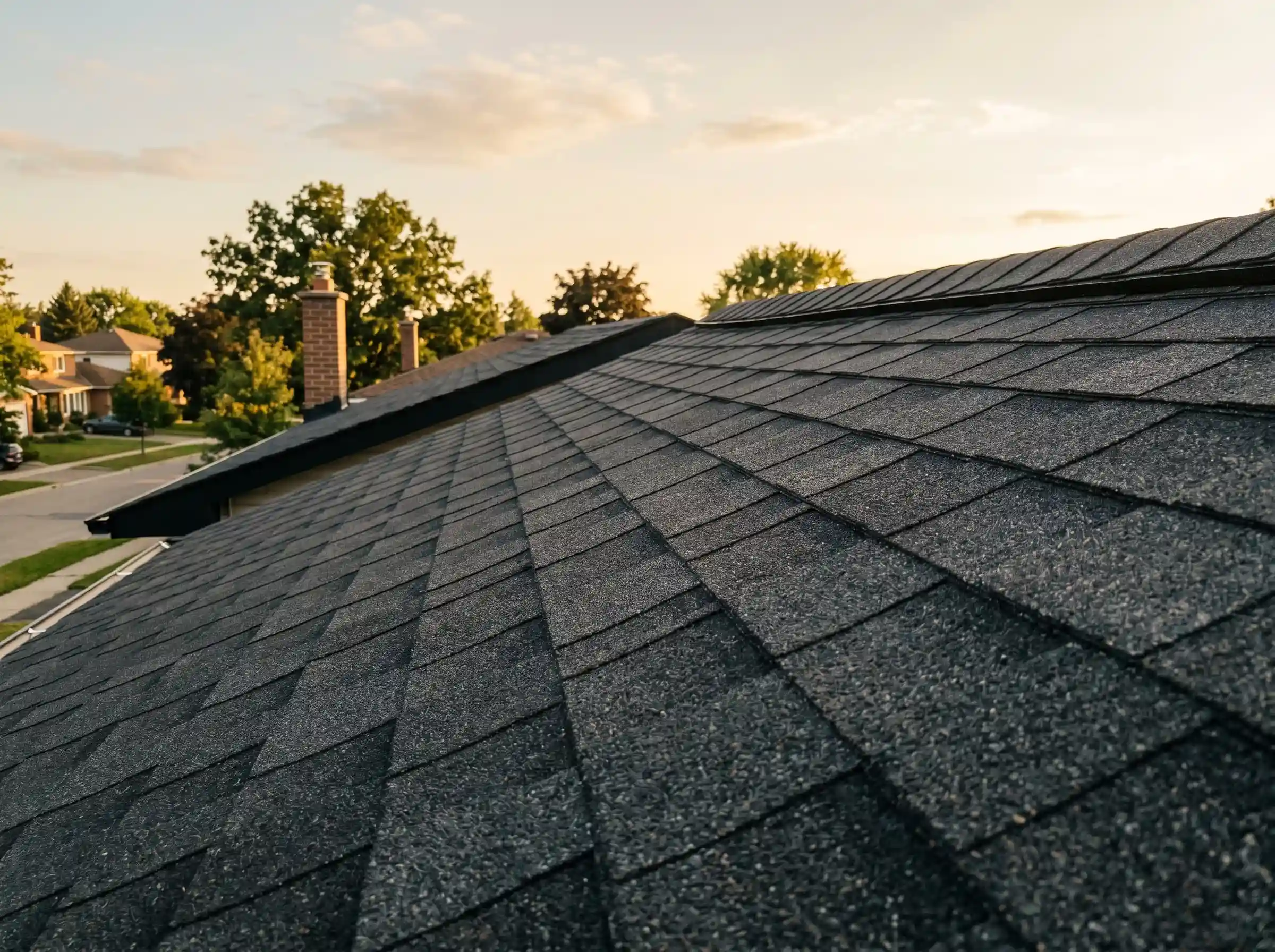
Ask what it costs to take the panels off again
Panels and mounting equipment over a replacement area have to be removed for reroofing. ENERGY STAR recommends addressing needed roof renovations first to avoid later removal and reinstallation.
Ask the solar installer for a written explanation of:
- Who disconnects, removes, stores and reinstalls the equipment.
- How that work is priced and what is excluded.
- Who handles mounting-point flashing and any resulting leaks.
- How roofing work affects the solar and roof warranties.
A price or clear pricing method turns that future visit into something the owner can weigh now. Size, access, equipment and contract terms affect the work. Removal and reinstallation belong in the decision before you need them.
If replacement makes sense now, have the roofer and solar installer agree on the sequence and attachment details. If the roof has substantial life left, keep it with a realistic future access plan.
Still weighing the roof itself? Our repair-or-replace guide explains what the inspection should settle.