

The solar crew can come Tuesday. The roofer can come Thursday. The stain is under the middle of the array.
Mike puts the two appointments on the same page. "Who is looking at the attachment while it is open?"
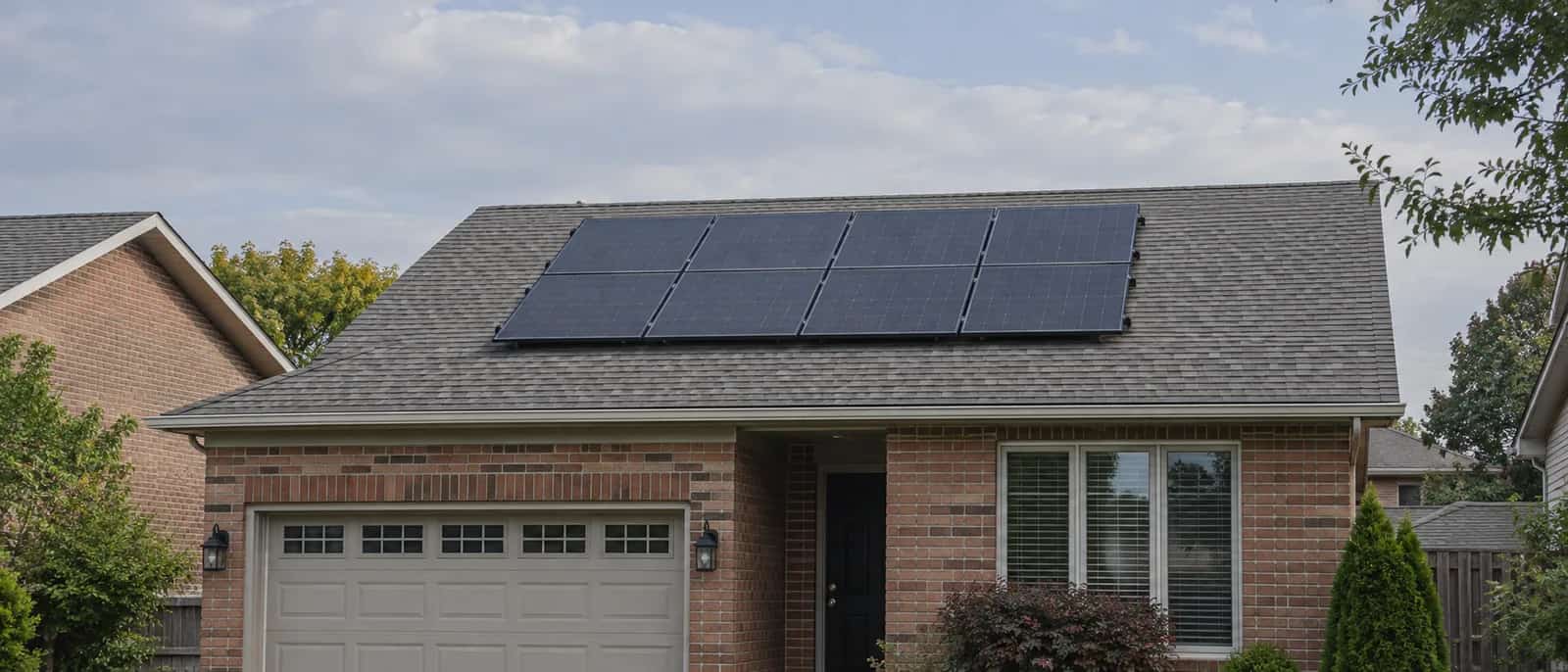
That question needs an answer before anybody removes panels. A leak beneath an array needs coordinated roof access and qualified solar work. A mounting penetration may be responsible, but water can also arrive from a vent or junction uphill. Do not loosen equipment or reach beneath it yourself.
Start With the Installation History
Send the installation date, roof age if known, first leak date and weather conditions. Include whether the roof leaked before the solar installation. Avoid filling gaps in the history with guesses; unknown is a useful category.
IronRidge's waterproofing guidance explains the importance of roof-attachment detailing. The installer should identify the actual mounting product and its instructions before deciding what a repair requires.
One access plan for two trades
Agree the access and repair sequence before either crew arrives.
Identify
Recover the actual mounting model and installation records.
Expose safely
Coordinate qualified solar handling with roof access.
Confirm the defect
Record the attachment and nearby roofing before repair.
Close both scopes
Document restored waterproofing and correctly reassembled equipment.
A Named Mount Makes the Investigation Specific
One example is IronRidge FlashFoot2, which combines flashing, a lag bolt and an elevated sealed connection enclosed by a cap. Its water-control approach is more specific than "a bolt with sealant." The manufacturer supplies an installation manual for that assembly.
That example should not be used to identify the mount hidden on your house. Recover the invoice, installation photographs or product records. The qualified installer can then compare the exposed attachment with the correct instructions, including the roof-covering integration. A drawing of a different brand cannot establish that your attachment is wrong.
Avoid Paying to Open the Same Area Twice
The plan now includes the suspected area, the available repair materials and who can approve a change while it is exposed. If the finding is larger than expected, the crews have a protected stopping point. That is preferable to discovering the missing decision after two panels are already off.
Suppose the solar crew removes two panels, the roofer finds a local defect, and everyone discovers that the repair materials or authorisation are missing. The panels go back and the same access work has to happen again. Sometimes staged work is unavoidable, but often a little coordination prevents it.
The roofer should identify the likely inspection area and repair possibilities in advance. The solar team plans qualified equipment handling, protection and reassembly. If a wider roof problem appears, the work can pause with the building protected rather than improvise beneath loose equipment.
ESA's water-safety guidance supports involving a Licensed Electrical Contractor where water may have affected electrical equipment. Roof waterproofing and electrical suitability require their own checks.
What the Investigation Should Record
Request photographs before disturbing the area, after the mounting detail is exposed and after repair. The record should distinguish observed damage from assumptions about responsibility.
Useful questions include whether the attachment is installed to its product instructions, whether nearby shingles were damaged and whether an older repair lies beneath the array. If a controlled water test is proposed, the trades should agree how electrical equipment and the interior will be protected.
Two Successful Outcomes to Confirm
After repair, the roof connection must be restored and the solar system correctly reassembled. Restored energy production does not prove a watertight roof, and a dry ceiling does not establish electrical suitability.
Keep the exposed-detail photographs and both completion records. If the roof is nearing a justified replacement, compare the local repair against a coordinated panel-removal and reroofing plan. The practical tradeoff is avoiding duplicate access work without discarding a serviceable roof simply because panels make it inconvenient.
Return to the wet room too. Materials already affected still need assessment after the exterior route is corrected.