

The solar panels are booked to come off on Monday. The reroof starts Tuesday. That looks like a plan until weather moves Tuesday and nobody has said who stores the panels, checks their condition or calls the electrical team back.
Agree the handovers before removal: shutdown, equipment custody, roof restoration, compatible attachments and return to service. The roof beneath an array is accessible for a short useful window. Spend it on the details that will be difficult to see again, with each trade's responsibility written down.
Put Both Trades on the Same Scope
Have the solar contractor and roofer review the roof together, or exchange a clear marked plan. Identify which mounts will be removed, what openings remain and how those locations will be repaired or incorporated into the new roof.
Ask whether existing attachment positions can be reused with the selected roof system and mounting hardware. Do not assume that a previous penetration is suitable simply because it is already there. Structural attachment and weatherproofing both need an appropriate detail.
For Ontario electrical work, ESA explains how to hire and verify a Licensed Electrical Contractor. Have the qualified team determine applicable notification, inspection and reconnection requirements. A roofer should not improvise electrical disconnection, and an owner should not unplug rooftop connectors.
Do Not Let the Schedule Choose the Flashing
If the solar crew arrives to reinstall before the roof attachment detail is agreed, the easiest available hardware can start dictating the roof repair. Reverse that sequence. Establish the compatible mounting and waterproofing arrangement while both trades can still adjust their scopes.
The panels are off and the weather moves the reroof date. Dave asks where the equipment will stay. Pat looks at the driveway, then at the owner's car. The tidy two-day calendar has acquired a storage problem.
Mike brings the equipment contractor and roofer back to the handover plan: custody, protection, the revised return date and who confirms readiness. Nobody needs a surprise pile of panels between trades. The electrical return-to-service work also needs its own responsible person, not an assumption that the roof crew has finished it.
Four Responsibilities Before Panels Come Off
One sheet should name the owner of each handover.
Owner or system owner
Permission, access and approval of changes.
Electrical team
Shutdown, notification requirements, reconnection and commissioning.
Roofer
Deck repair, abandoned holes and compatible roof flashing.
Equipment custody
Inventory, storage, damage reporting and delay arrangements.
Plan the Days Between Removal and Reinstallation
Weather can move the roofing date after the solar crew has removed the array. Agree on a rescheduling process, temporary roof protection and the expected period without generation. Do not base household savings assumptions on an exact return-to-service date that no contractor has committed to.
If equipment is found damaged or obsolete during removal, establish who quotes replacement and who approves it. Keep optional system upgrades separate from the work required to restore the existing installation.
Four Names on the Handover Sheet
A practical handover sheet can use four short entries, even where one company fills several roles:
- Owner or system owner: permissions, access, approved extra work and any lease conditions.
- Solar/electrical contractor: safe shutdown, equipment identification and handling, applicable ESA process, reconnection and commissioning record.
- Roofer: condition of the exposed deck, closure of abandoned penetrations and roof-system-compatible flashing details before panels return.
- Storage or transport custodian: equipment inventory, storage location, condition photos, security and who reports damage or delays.
Under each name, write the evidence that closes that stage. "Roof ready" might mean repaired deck and photographed mount details accepted by both trades. "Array back on" is not the electrical completion record. ESA's notification guidance explains that the person doing electrical work files the notification; have the electrical contractor confirm the requirements for the actual removal and reconnection scope.
Inspect the Mounting Details Before Panels Cover Them
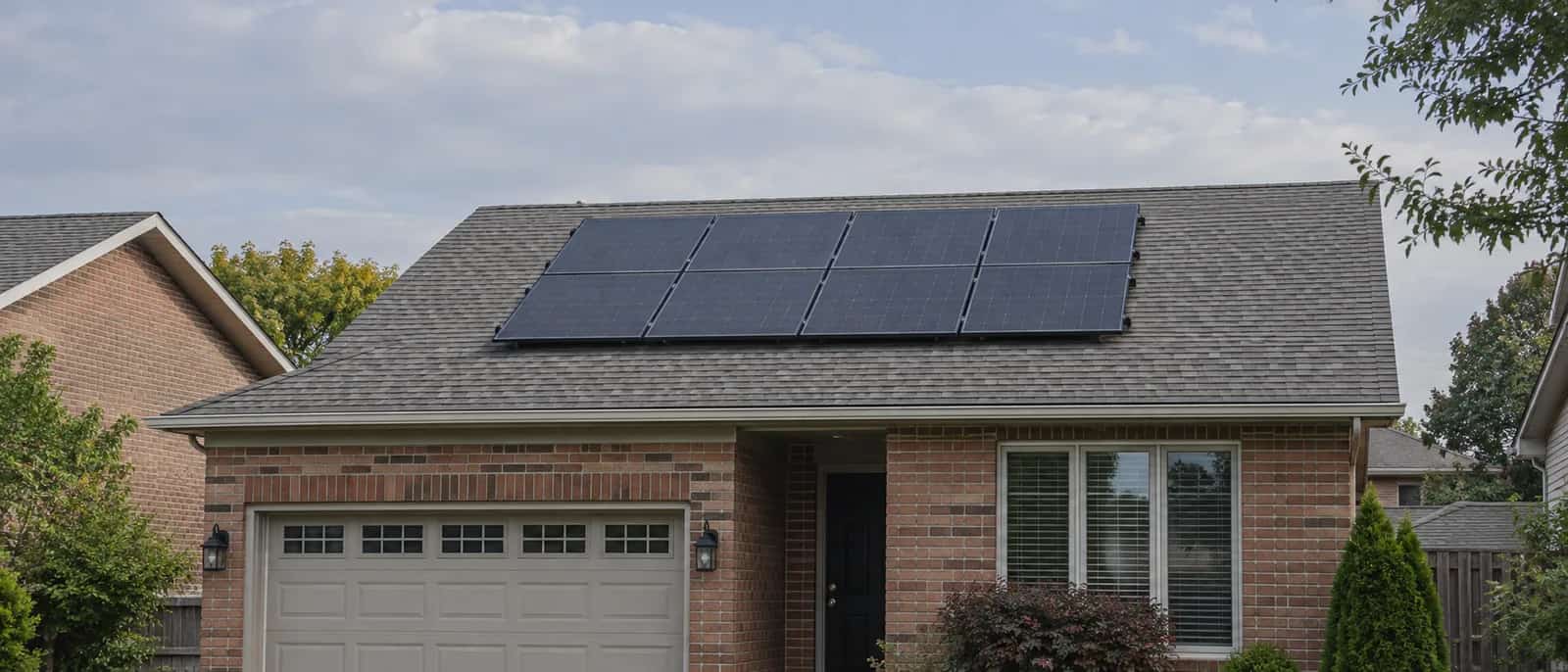
Ask for records of roof repairs beneath the array, mount locations and flashing details before panels cover them. The photographs should show orientation as well as close-up workmanship. Store them with the new roof invoice and solar records.
Confirm how the roof warranty treats the proposed attachments and who responds if water later appears near one. A warranty conversation is most useful before installation, while the detail can still be changed.
At handover, obtain confirmation that the electrical work is complete through the applicable process, monitoring is restored and the system has been checked. Compare expected monitoring behaviour with the installer rather than diagnosing output from one cloudy afternoon.
When the monitoring comes back, keep the commissioning and roof records together. A working array and a completed roof are welcome results; the handover should account for both.