
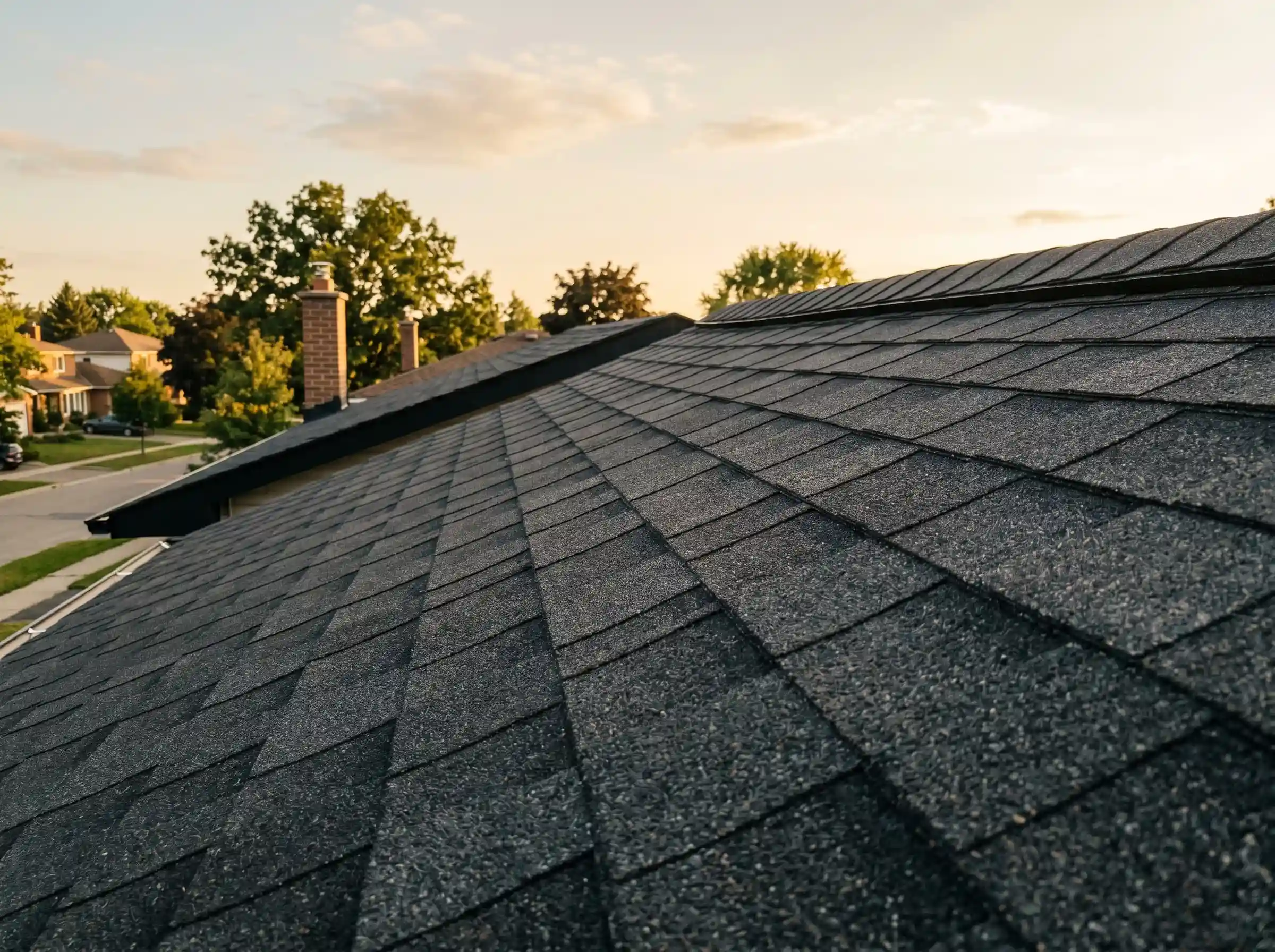
Dave recognised the repair invoice before he recognised the stain. Same chimney, another attempt, and the armchair moved out of the way again. Mike asked what the previous repair had actually established. There was plenty about sealant and very little about the water's route.
A lasting local repair is worthwhile when the failure is contained and the surrounding roof is sound. Replacement becomes more compelling when damage is widespread or a reliable repair cannot be built. Start with why the water entered and what will stop it.
A lasting repair is worth doing when the failure is contained and the surrounding roof is sound. Replacement becomes more compelling when damage is widespread or a reliable repair cannot be built. Before discussing prices, get an answer to this: why did the water get in, and what would stop it?
One bad detail or a tired roof?
A damaged pipe flashing or a small patch of missing shingles can be a repair candidate when the rest of the assembly is sound. Widespread brittle shingles, substantial bare patches and leaks in several areas point towards a larger problem. IKO's repair guidance makes this distinction between isolated damage and a roof deteriorating across the system.
Ask for a wide photo as well as the close-up. The worst shingle on a roof cannot tell you whether the damage occupies one corner, one slope or nearly everything.
We put the previous scopes beside the new photographs. Three attempts at the same chimney do not necessarily mean three roof failures. They can mean the source was never confirmed. Dave's first reaction had been "enough repairs." Mike wanted to establish whether any of those visits had repaired the right thing before condemning the whole roof.
Compare the clues
A patch, a roof plane or the whole roof?
The size of the visible defect is only one part of the decision.
A contained problem with sound roofing around it.
An isolated defect may be repairable when the adjoining materials can accept a lasting repair. The cause still needs to be confirmed.
- Extent
- Damage is limited to a specific area.
- Surrounding roof
- The adjoining shingles and deck remain suitable.
- Repair plan
- The new work can join the existing roof properly.
These are assessment questions, not a diagnosis. Roof age alone does not settle the decision.
A patch needs sound roofing around it
A replacement shingle has to fit into the existing roof. The roofer needs to assess the surrounding shingles, fastening, seals and adjoining details, as well as the visible hole.
GAF's storm-damage bulletin notes that hidden damage around affected shingles can be difficult to judge. It also recognises that replacing a single damaged roof plane may be possible. Sometimes the sensible option sits between a tiny patch and a complete replacement.
Ask what stays, how the new work joins it, and whether the colour will match. A patch you can see from the driveway may be perfectly serviceable. A beautifully matched patch that misses the leak is less useful.
When the old shingle has disappeared from the catalogue, compare repair fit and matching limits before assuming either a small patch or a full replacement is the only option.
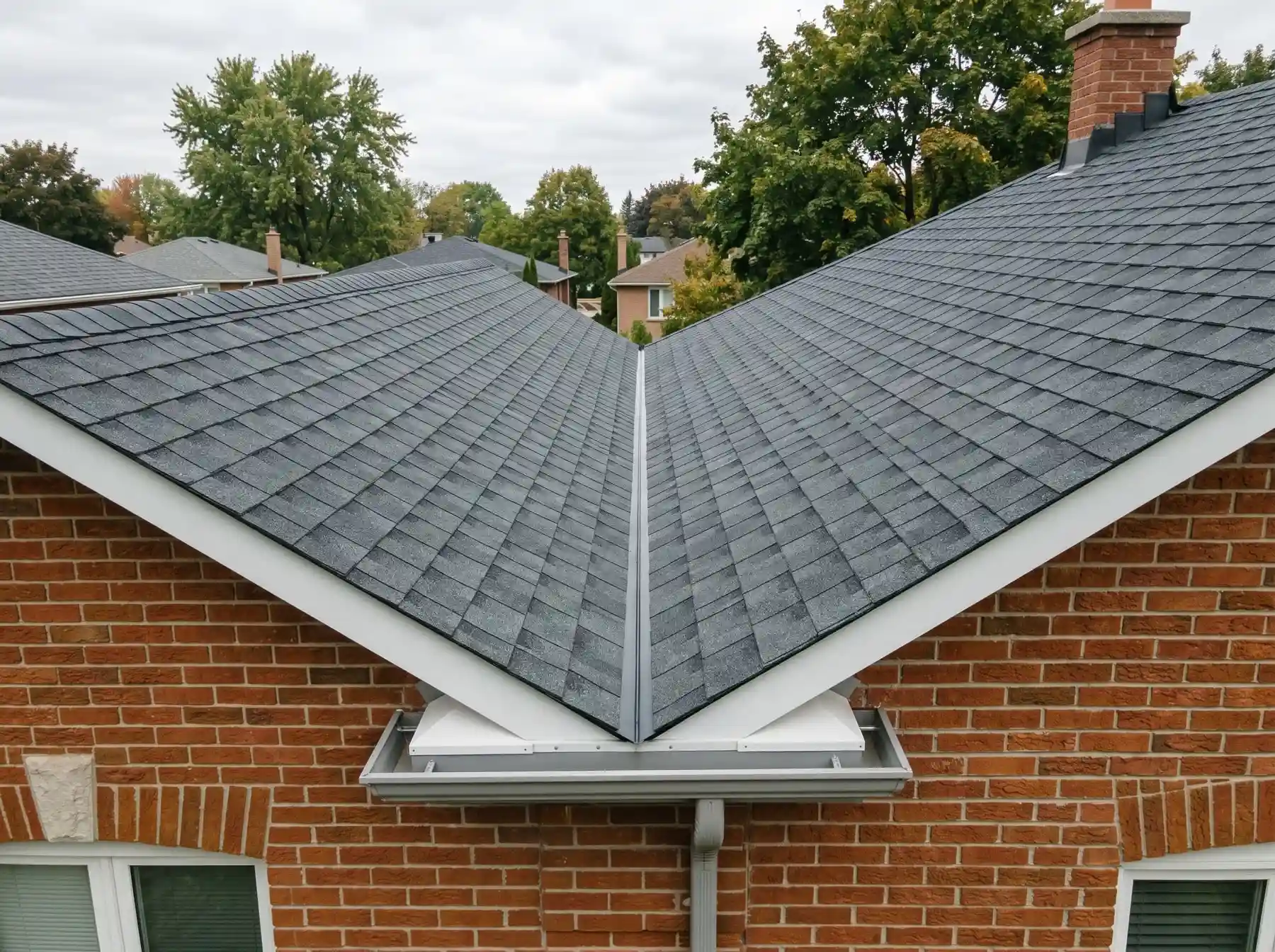
Compare a repair, one slope and the whole roof
Ask for the smallest scope that can be completed reliably, then compare what each larger option adds:
- Local repair: suits a confirmed isolated failure with serviceable surrounding roofing. It leaves the age and condition of the rest unchanged.
- One roof plane: may suit damage concentrated on one slope, if the ridge, valley and wall transitions can be rebuilt correctly. Confirm how new work joins older material and whether differences in appearance are acceptable.
- Full replacement: addresses deterioration across the roof and gives access to a wider area of decking and flashing. It still needs a separate plan for an attic moisture problem or chimney masonry defect.
Mike marked the proposed boundary on the photographs and asked what prevented a smaller repair. We needed to consider location, surrounding brittleness and whether the adjoining details could be rebuilt. A fixed percentage of missing shingles would not answer those questions. The useful comparison showed what stayed and why each feasible scope stopped where it did.
Show us where the repair stops
When both options are reasonable, request two written scopes. The repair quote should explain which fault it resolves and what remains outside the work area. The replacement quote should explain why the wider work is justified.
For either option, ask what could change the price once materials come off. That makes a cheaper repair easier to judge: it may solve a contained defect well, or defer work the surrounding roof already needs.
Keep your own inspection on the ground. Photograph fallen pieces and note when leaks occur. GAF recommends professional assessment; climbing up can add injury and roof damage to the problem. A sagging roof needs prompt assessment of the structure, not just a shingle quote.
Bring the roof's age and repair history to the conversation; our lifespan guide gives some context. But ask the roofer to show you the condition that supports the recommendation. "It's old" should be the start of an explanation.