
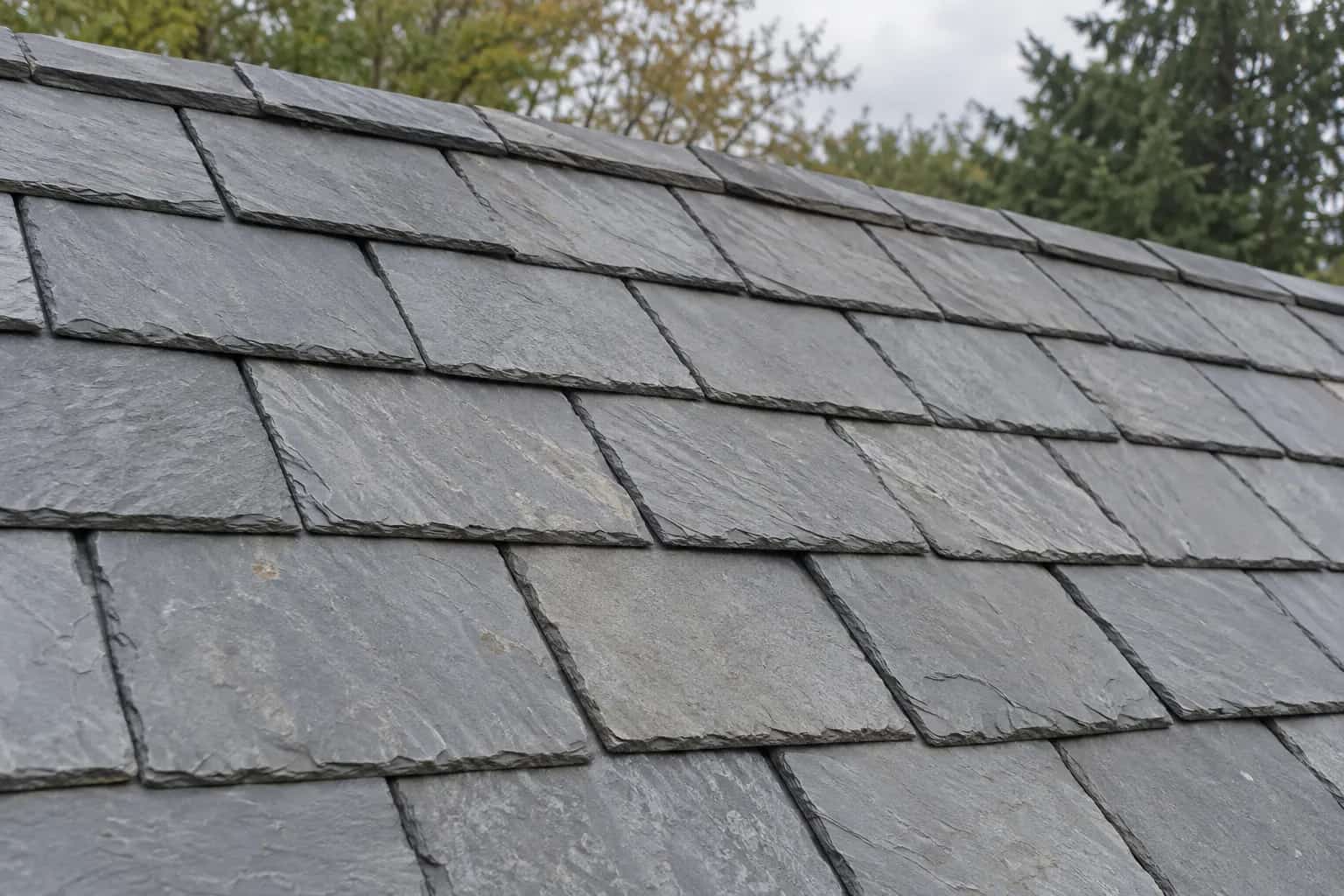
The slate roof has a new leak and one visibly broken piece. It is tempting to make that piece the entire explanation. It is equally tempting, after enough buckets, to decide that all the old stone has had its day.
An isolated slate, a failed metal junction and widespread deterioration justify different scopes. Have a slate specialist connect the leak to the condition of the stone, attachments and flashings. We want a plan that preserves sound material without buying another small patch for a roof that needs more substantial work.
The Stone Is Only Part of the Roof
Slate units shed water through their arrangement and overlaps. Flashings handle junctions, and fasteners hold the units in place. A failure in one part should not automatically condemn the others.
The National Park Service's slate repair brief describes individual damage, fastening problems and material deterioration as distinct issues. It also explains why a slate repair requires different handling from an asphalt-shingle repair.
Choose the Slate Repair Scope From the Finding
A wet ceiling does not condemn every slate.
Isolated slate
Assess the unit, neighbours and attachment for local repair.
Failed junction
Renew valley or chimney metal while preserving serviceable stone.
Widespread decline
Map repeated stone, fastener or support failures before broader work.
Access and records
Account for safe access and keep findings by roof plane.
Look Beyond the Most Obvious Broken Piece
One missing unit is easy to notice. The assessment must also consider whether other units are sound, whether slates are slipping because of their attachments, and whether deterioration varies across the roof.
The NPS describes weakening and delamination as slate weathers, including deterioration that can be present on the underside. A good-looking face therefore cannot settle every condition question. Nor should a single damaged piece be used to represent the whole roof without further examination.
Prefer findings that distinguish the slopes and important details. "Old slate" is a description of age and material. "Repeated failures in this area, with these surrounding conditions" is evidence you can use to decide on work.
The broken slate is easy to point at. Mike starts there, while Dave checks the nearby metal junction. Pat counts neither as a verdict on the whole roof. "Let's not sack every stone because one had a bad day."
The joke ends where the inspection starts. If the wider stone, attachments and flashings remain serviceable, a limited repair may make sense. If deterioration is widespread, another isolated patch may buy very little. The scope needs evidence for both the material worth keeping and the parts that need to go.
Repair Access Can Decide Whether a Small Job Stays Small
Slate can be damaged by careless foot traffic. Inspection and repairs need a safe access method that protects both the worker and the roofing. Do not climb up to see whether a loose-looking unit can be pushed back.
The contractor should explain how the work area will be reached and how adjacent units will be protected. Matching replacement slate, suitable fastening and rebuilt overlaps matter more than making the hole disappear in a distant photograph.
A smear of sealant may conceal a symptom without restoring those relationships. If temporary weather protection is necessary, distinguish it clearly from the intended permanent repair.
Compare Three Scopes on One Roof Plan
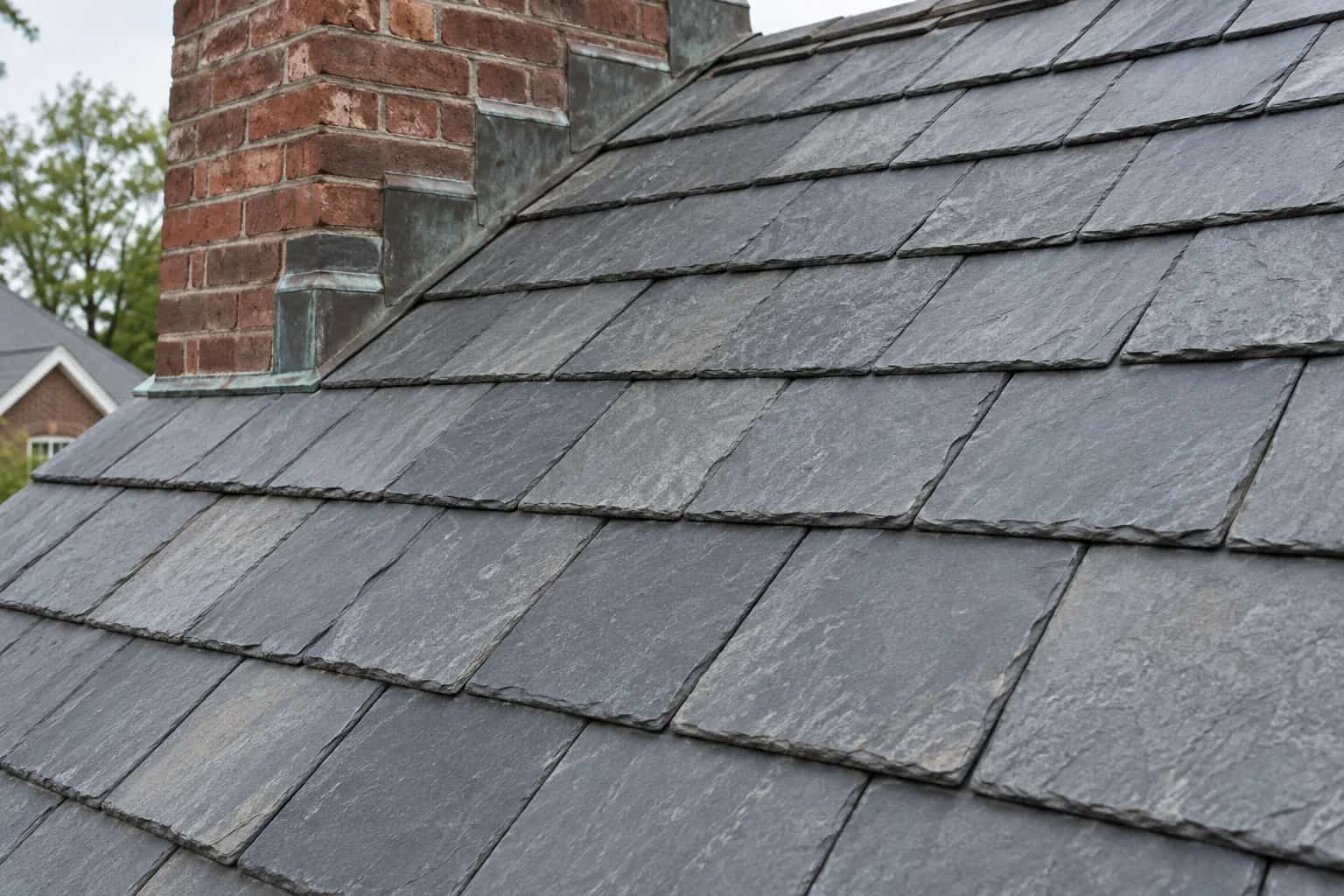
For a roof with a leaking valley and scattered slipped units, ask the slate specialist to separate these choices:
- Local unit repair: locate isolated broken or slipped slates, assess their neighbours and attachments, and replace or refix using suitable slate methods.
- Junction renewal: open a defined strip around a valley or chimney, restore the metalwork and reinstate serviceable slate with compatible replacements where needed.
- Broader slope or roof work: map repeated stone or fastening failures, deteriorated support and worn junctions to show why a larger scope is justified.
The NPS preservation brief treats condition and repairability as central to the choice. Its historic-building guidance is not an Ontario approval process or a universal replacement percentage.
Access affects each option. A small valley repair may still require substantial safe access, but that cost does not prove the remaining stone is defective. Conversely, repeated access visits to repair widespread failure can make coordinated work more sensible. Have the contractor show which of those situations the inspection supports.
Keep the findings by slope. One sheltered face and one heavily deteriorated face do not have to receive an identical verdict just because they share an installation date.
When Larger Work Deserves Consideration
On a heritage property, coordinate the repair or proposed material change with the applicable approval process. Retaining sound slate can preserve both useful roofing and the house's character, but preservation should rest on condition evidence. The aim is a roof that works, with no more removal than that result requires.
A sound slate deserves to stay for a reason, just as a failed area deserves replacement for a reason. Ask the repair plan to show both on the same roof.