
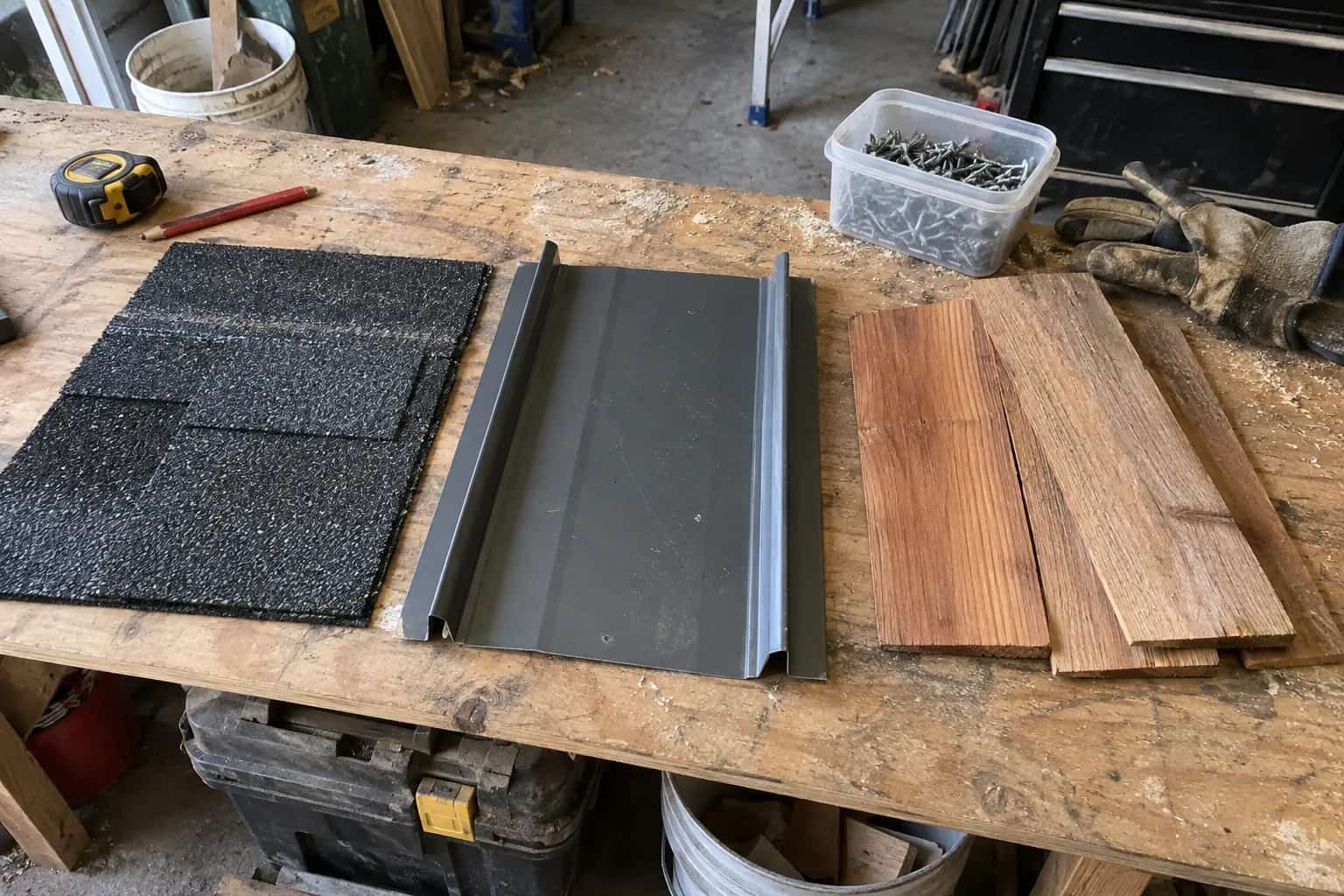
The owner brings Mike a shingle brochure after a hailstorm. "Class 4," it says, in type large enough to see across the room. Dave turns to the test name and Pat asks about the ridge caps. The rating means the named product passed a particular impact test. It does not make the complete roof hail-proof. Test result, warranty and insurance still need separate answers.
What the Classification Measures
Impact tests expose roofing specimens to controlled impacts and assess them against the test's criteria. A classification lets products tested under that standard be identified and compared. Class 4 is the highest classification within UL 2218, but other impact standards exist; a class number without its test name is incomplete information.
GAF's impact-resistant roofing page specifically ties its listed UL classifications to packages carrying the classification statement. That is a good reason to record the delivered labels instead of relying on an older brochure or a product name remembered from a neighbour's roof.
Do not infer the rating from appearance. Two similar laminated shingles can have different constructions and ratings. Pat puts down the thick sample after finding the delivered product label. He would rather compare the actual classification than see who can make a scrap look toughest by bending it.
Four Questions an Impact Label Cannot Combine
Each source of information answers a different part of the purchase decision.
Laboratory classification
Identifies a named product passing a defined impact test; match the delivered package.
Manufacturer warranty
Defines coverage and exclusions; a test result does not remove those exclusions.
Home insurance
Has separate terms; confirm any discount or claim decision with the insurer.
Current roof condition
Requires inspection after damage; no document can establish it from the label alone.
A Hailstorm Is Less Orderly Than a Test
On a house, hail arrives with different sizes, directions and wind conditions. The roof also has ridges, edges, penetrations and years of weather exposure. A laboratory result remains valuable, but it is one piece of a larger decision.
Ask whether compatible ridge caps have the impact classification you want. Dave draws the ridge on the roof plan after it is omitted from the first product list. The top of the roof should not disappear just because the field-shingle brochure is more impressive. Roof vents, flashing and skylights also have their own vulnerabilities.
For an existing roof, a label from installation does not establish its current condition. Have damage assessed after a significant event, especially where you see displaced roofing or a new leak. Do not climb up to press suspected marks with your fingers; that can damage the surface and still leave you without a reliable diagnosis.
Keep Warranty and Insurance Questions Separate
A manufacturer warranty and a home insurance policy are different documents. IKO's roofing FAQ explicitly warns that its impact rating is not a guarantee against hail and describes exclusions in its limited warranty. Read the terms for the product under consideration.
Before budgeting a premium reduction, send the exact product and classification to your insurer and ask for a written answer. The answer may depend on the policy and location. No discount should be assumed merely because a supplier mentioned one.
Would the Upgrade Still Make Sense Without a Discount?
That question removes an uncertain benefit from the calculation. Compare the installed upgrade price with the product features you can confirm. Mike removes the unconfirmed insurance saving from the comparison. If the upgrade only wins with that number included, the next call is to the insurer. The roofer should not be spending a discount somebody else has yet to offer.
Also compare equivalent roofs. An impact-rated field shingle paired with unspecified caps and neglected flashings is an incomplete proposal. Keep the necessary deck and junction work in both prices; otherwise the premium product can distract from a cheaper installation scope.
Choose the upgrade for documented resistance and the value you place on it, while keeping a realistic plan for inspection after a damaging storm.
Keep the delivered labels with the invoice. If a storm later damages the roof, those identify the product; a damage assessment determines its present condition. One cannot substitute for the other.