
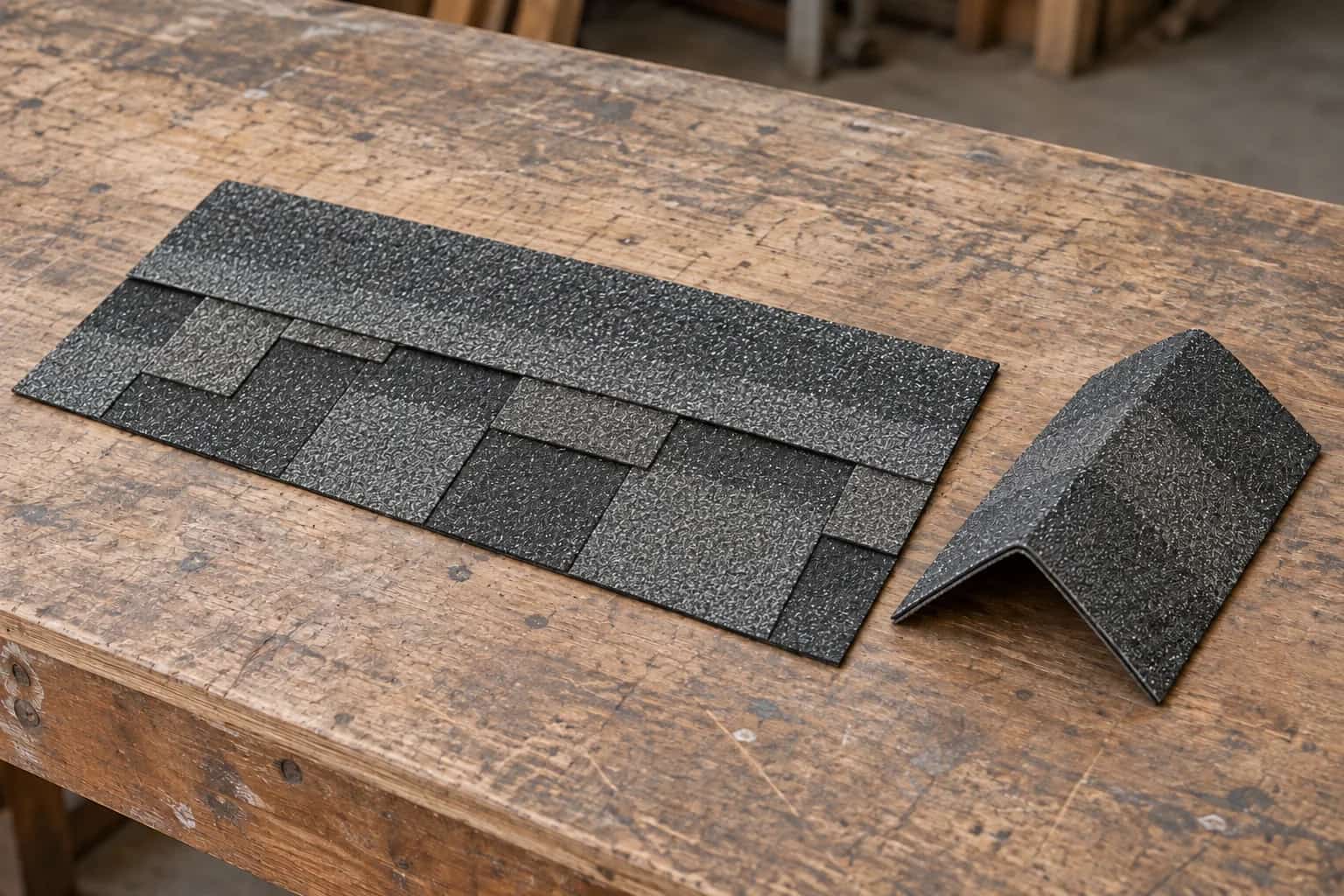
"Polymer-modified," Dave reads from the quote. "That is several syllables to leave unexplained." It means polymers have been added to modify the asphalt formulation. It does not, by itself, tell you lifespan, impact rating or installation quality. It can be a useful feature. Before buying it, connect the named product's documented characteristics to the benefit and extra price on your quote.
To decide whether the upgrade is worthwhile, connect that formulation to the named product's documented characteristics and the extra price on your quote.
What Is Being Modified?
The asphalt in an asphalt shingle is part of a manufactured component that also includes reinforcement and a protective granule surface. Polymer modification concerns that asphalt formulation, not simply the thickness or shape you see from the driveway.
CertainTeed describes its SBS-modified technology as combining roofing asphalt with rubberizing polymers. SBS stands for styrene-butadiene-styrene. Its stated aim includes flexible, elastic behaviour. These are manufacturer descriptions of particular technology, not proof that every polymer-modified shingle performs identically.
IKO's Nordic page likewise identifies polymer-modified asphalt and lists product-specific standards and limitations. A useful comparison draws from those actual specifications rather than treating modified as a quality grade shared across brands.
Architectural and Polymer-Modified Are Different Labels
Architectural describes a shingle's layered construction and appearance. Polymer-modified describes its asphalt formulation. A product can be both.
On the kitchen table, one estimate says architectural and the other says polymer-modified. The owner has reasonably treated them as competing categories. Mike writes the product names underneath: now construction, formulation, accessories and documented performance can be compared. A product can wear both labels without anyone having discovered a new species of roof.
The architectural-shingle guide covers the visible construction choice. The modification question is about what the named product is made to do, including properties that are not apparent from its shadow lines.
Four Separate Lines on the Specification
These descriptions answer different purchasing questions.
Formulation
Polymer modification describes a change to the asphalt binder.
Construction
Architectural or laminated describes the shingle's layered form.
Tested performance
A named classification belongs to the actual tested product and standard.
Installed system
Deck, underlayment, fasteners, accessories and junction work determine the scope you are buying.
Match the Upgrade to a Benefit You Value
If impact resistance is the reason for paying more, verify the product's current classification and test standard. Then read the warranty. IKO's Nordic page, for example, explicitly separates its impact classification from a hail-damage guarantee and says hail damage is excluded from its limited warranty.
Dave puts the flexible sample down before it becomes a party trick. If flexibility is the selling point, ask how it helps the proposed work. It does not cancel cold-weather application limits or permit rough handling. Conditions, attachment and sealing still follow the current product instructions.
If the claim is simply that the roof will last a particular number of extra years, request the evidence for that comparison. The formulation label alone does not supply it. A warranty's duration is also a different measure from expected service on your house.
Keep the Rest of the Roof Equal
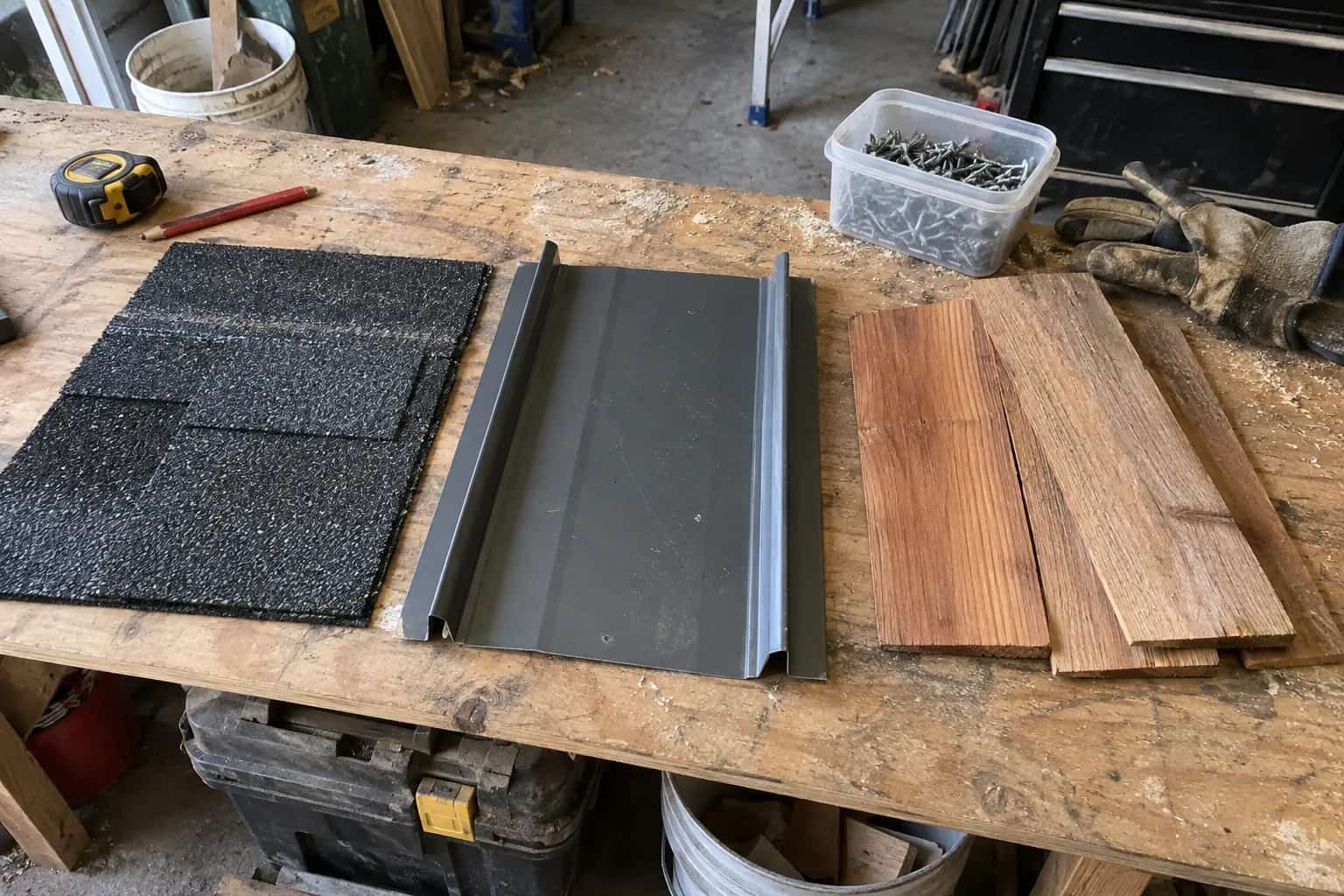
Compare the upgrade with the same removal, deck work, flashings, underlayment and ventilation scope. That leaves you with an identifiable material decision instead of two different jobs.
The troublesome wall junction stays on Mike's list even when the premium shingle enters the discussion. Do not spend its repair budget on a field-shingle upgrade. Once the necessary work is covered, a documented feature may be worth the difference; the decision need not become a contest between the cheapest roof and the longest product name.
By the end, the owner should be able to finish this sentence: "We chose this shingle because..." Name the feature and its limitation, with the accessories and installation scope written down. "Because it has polymers" leaves Dave right where he started, reading syllables off the quote.