
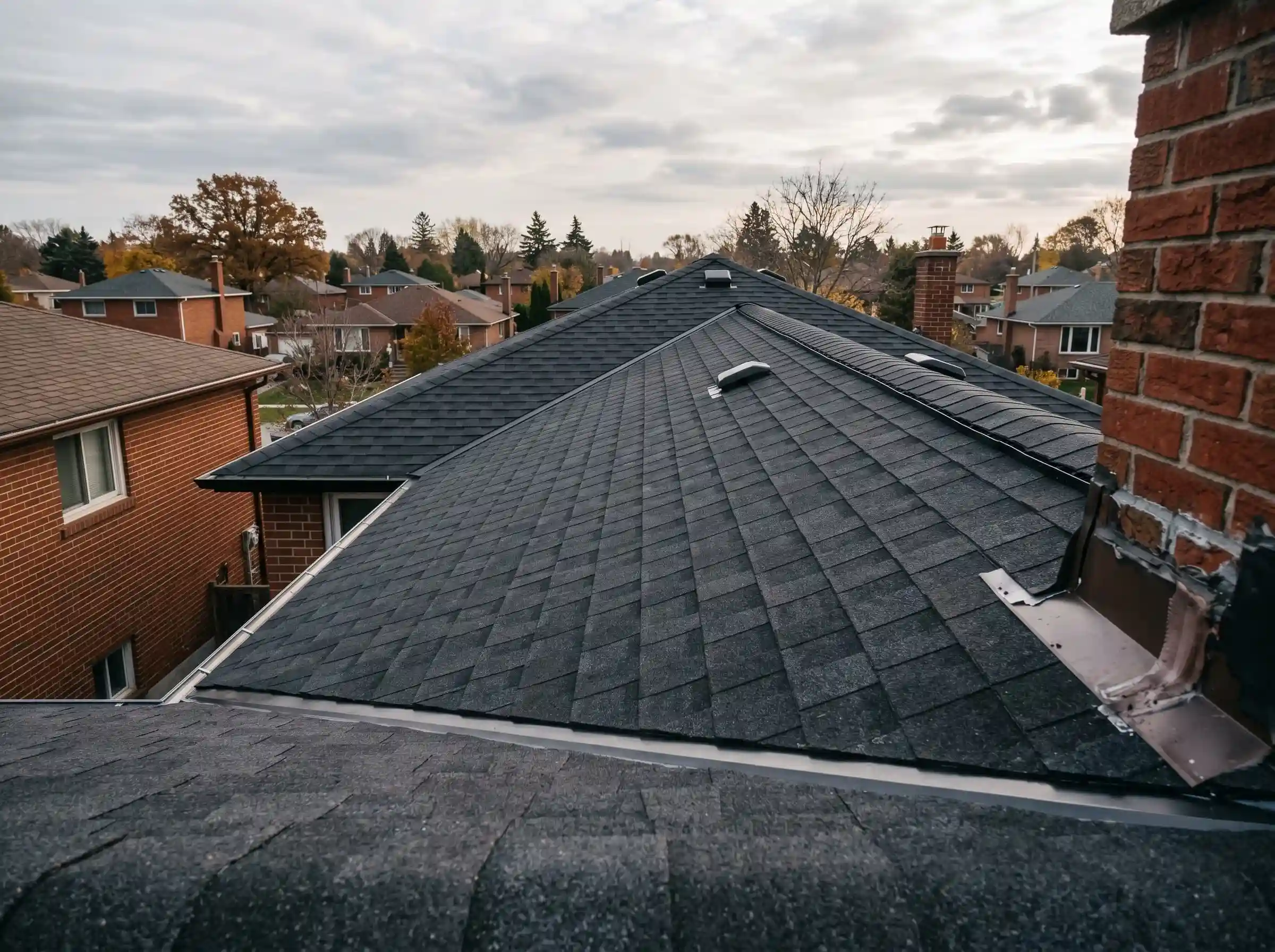
Tuesday looks dry. Wednesday looks dreadful. Dave has the product instructions open while Mike looks at the forecast, and neither is treating "we work all winter" as the entire installation plan. Winter shingling can be appropriate, but the particular roof and products have to support the decision.
Yes, shingles can be installed in winter when the products and conditions allow it. The cold-weather handling, sealing and protection plan needs to suit the actual job.
Nailed down does not mean sealed down
IKO's cold-weather bulletin explains two important issues: shingles become more brittle, and their factory-applied sealant may take longer to bond. Handling, fastening and sealing need extra care.
Nails hold the shingle in place; sealant bonds overlapping shingles against wind lift. A roof can look finished before that bond has formed.
Where the instructions call for it, hand-sealing uses suitable roofing cement in specified locations. It belongs in the installation plan. The quantity and placement matter, so "we'll add extra sealant" is not a complete explanation.
Three checks before a winter start
A workable shingle temperature does not automatically make the deck, membrane or weather suitable.
Dry, safe substrate
The crew assesses frost, ice, snow, deck condition and access before opening the roof. Agree what postpones work.
Each product approved
Check the exact shingle, membrane and adhesive instructions for storage, handling and application conditions.
Seal and close the roof
Specify hand sealing where required and how each opened area will be protected. A flat-looking shingle is not proof of a bond.
The temperature number is only part of the answer
There is no useful single number for every shingle, membrane and site. GAF's temperature bulletin gives precautions rather than a universal lower limit for its fibreglass shingles. Product-specific instructions still govern.
The material underneath matters too. Self-adhered membranes have their own storage, surface and application requirements. GAF's seasonal installation guidance calls for a clean, dry surface without frost or ice for the leak barriers it discusses. A thermometer reading alone cannot confirm that.
What IKO and GAF actually say about the cold
The manufacturers describe different reference points, not competing legal cutoffs:
- IKO bulletin R-52: warns that brittleness increases at 10 C and below. It says sealing may take weeks depending on conditions and recommends manual sealing when adequate sealing before winter is unlikely. The bundle instructions determine cement placement and quantity.
- GAF bulletin R-133: gives no practical universal lower temperature limit when appropriate precautions are taken, while identifying above 40 F, about 4 C, as easier for handling. Cold-weather risks include cracking and a need for hand sealing.
Neither reference means every roof is suitable at that temperature. Ask for the exact shingle instructions and the separate membrane application limits. A south-facing slope warmed by sunshine and a shaded slope on the same house may not seal at the same time. Extra cement is not automatically safer: IKO warns that too much can blister a shingle.
For IKO Canadian wind coverage, manual sealing is more than a recommendation. The Canadian limited warranty applicable to installations from February 1, 2025, under Limited Wind Resistance Warranty on page 3, conditions fall, winter and cool-weather coverage on manual sealing at installation, alongside its fastening requirements. Page 4 explains that fall or winter shingles may not thermally seal until spring. Ask the installer to document compliance with the applicable product instructions and warranty; this IKO condition should not be assumed to describe every manufacturer's coverage.
Mike reads the applicable warranty condition alongside the installation bulletin. Those documents deserve more attention than the biggest number on the weather app. Different products and shaded roof areas can create different practical constraints on the same day.
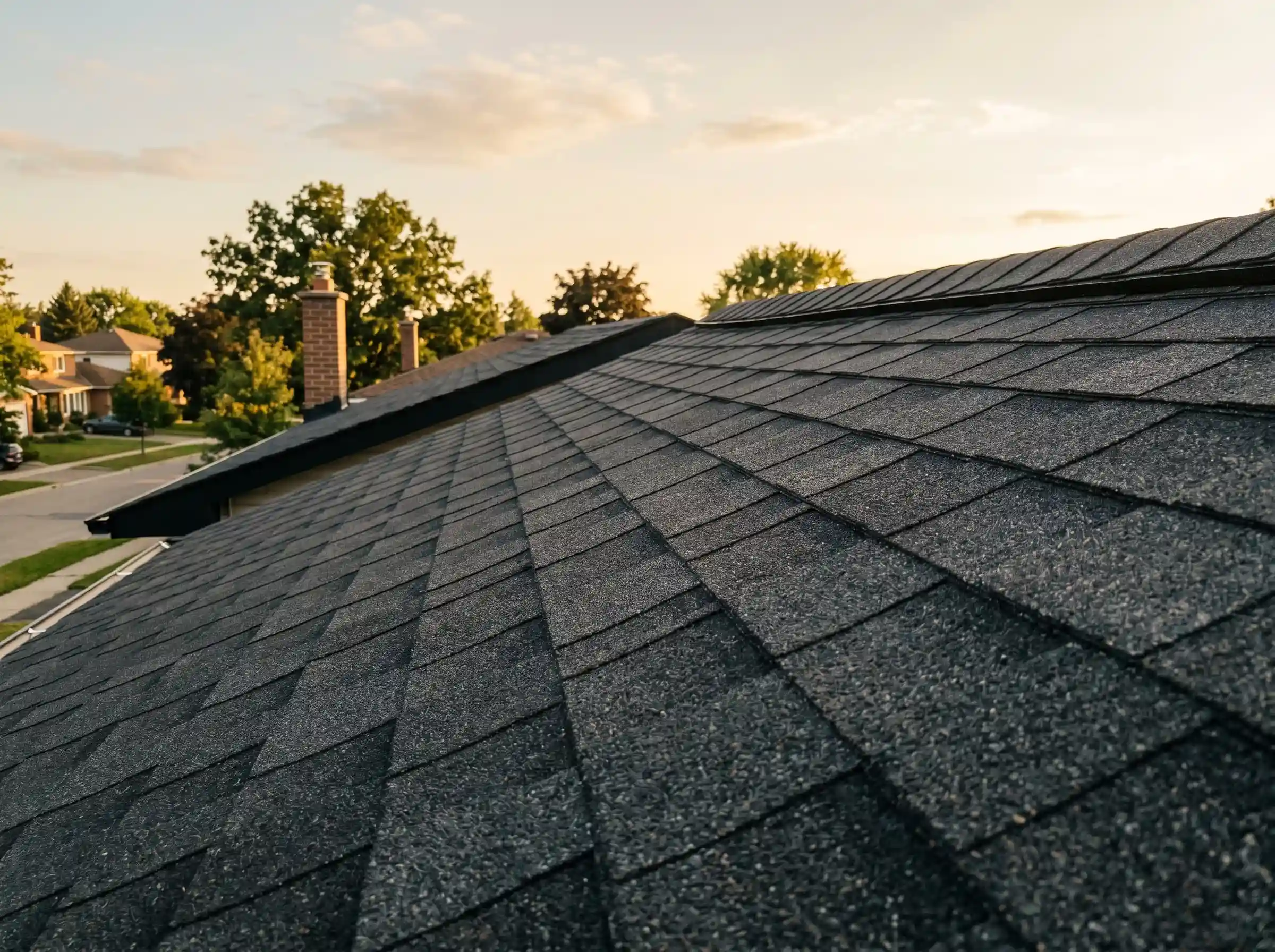
Ask what would make the crew postpone
A useful cold-weather plan names the shingle and underlayment products, explains storage and handling, and covers sealing when sunlight will not do the job promptly.
Mike also wants the stopping point written down: which weather or roof-surface conditions would postpone work? What protects the opened roof if conditions change halfway through? You want those decisions thought through before the first shingles come off.
Put the agreed scope in the estimate. Our roofing quote guide helps you check the rest without learning a new trade over dinner.
Replace now, repair now or wait?
An active leak or missing shingles deserves prompt assessment. That does not automatically require a complete replacement. A local repair or professionally installed temporary protection may bridge an unsuitable weather window; see what emergency tarping involves.
Compare the three options against the actual defect:
- Repair now: useful for a limited failure when surrounding shingles can accept a lasting repair. Ask what remains outside that repair.
- Protect temporarily, replace later: useful when immediate water control is needed but safe access or product conditions prevent the full job. Get the follow-up scope and inspection arrangements in writing.
- Replace in a suitable winter window: reasonable when the wider roof needs work and the crew can satisfy handling, dry-surface and sealing requirements. Confirm what happens if the weather window closes.
For completed winter work, keep product names, installation photos and the agreed sealing method. If edges remain visibly lifted, send photos to the installer instead of walking onto the roof to press them down. Our new-shingle guide separates settling from defects that need attention.
If the roof is sound and replacement is elective, you have more freedom to wait. Ask what you gain by doing it now and what you risk by delaying. "We roof all winter" can be true. It still leaves your Tuesday appointment to explain.