
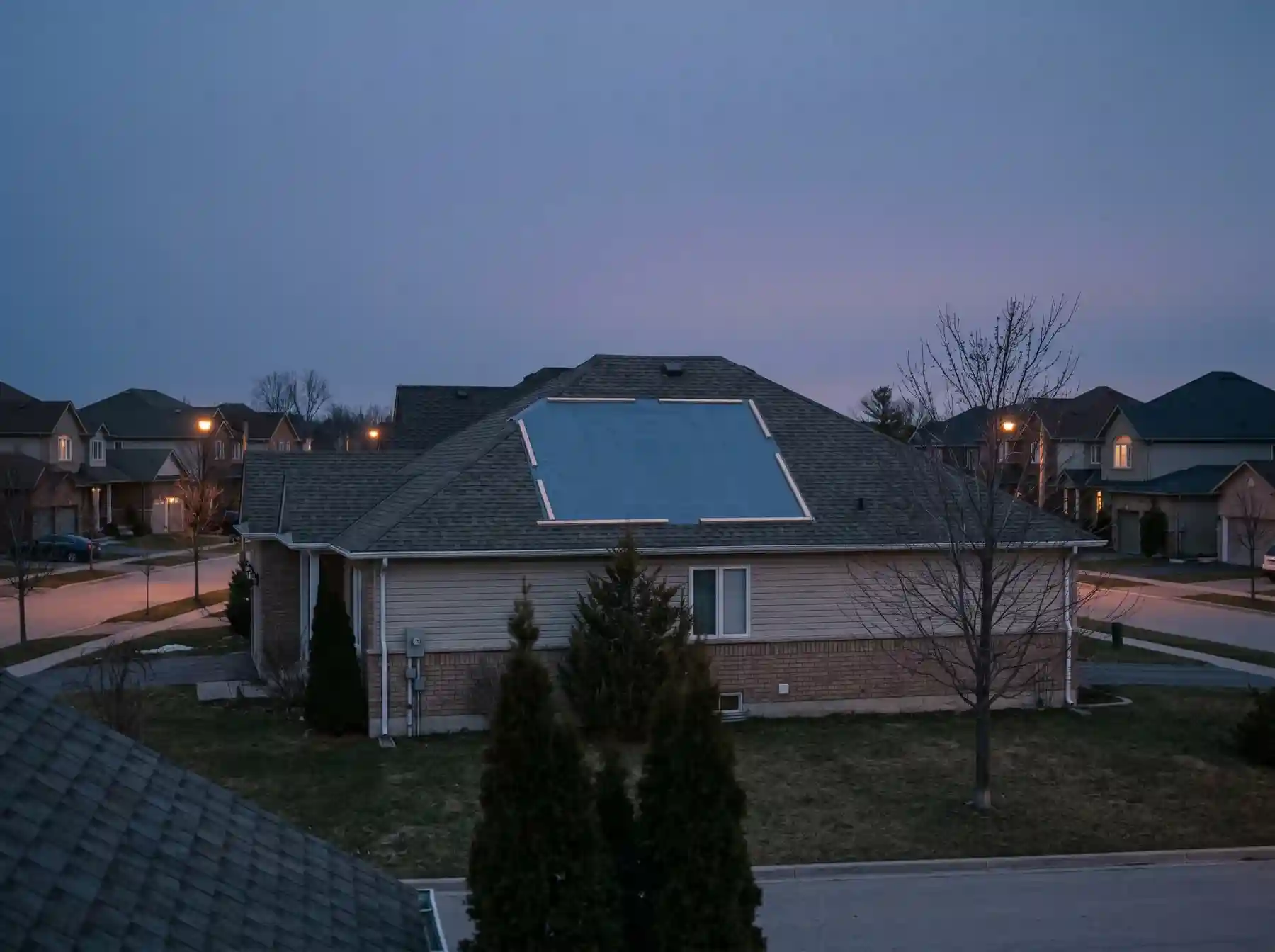
Two rooms are dripping and the roof is iced over. On the phone, Mike asks where the water is appearing and whether electrical fittings or a bulging ceiling are involved. The immediate task is to limit damage safely until a permanent repair is possible. Calling it an emergency does not make an icy roof safe to access.
While you wait
Keep people away from bulging ceilings, fallen wires and wet electrical fittings. Move belongings only where it is safe. Photograph visible damage from indoors or the ground and tell the roofer which rooms are affected.
Do not climb up with a tarp. A loose sheet in wind is difficult enough at ground level.
The owner wants to know when the tarp will go on. Dave explains that the crew first needs to assess safe access, the damaged area and the incoming water route. A precise promise made before those facts are known would be less helpful than a clear explanation of what can be done safely.
Choose a safe next step
What needs attention first?
Identify immediate hazards, document safely and arrange help before thinking about the permanent repair.
Keep people safe and limit damage indoors.
Stay clear of a bulging ceiling and water near electrical fittings. Move belongings only where it is safe, and call for help with active water entry.
- Tell the roofer
- Where water appears and whether it is still entering.
- Record safely
- Photos from indoors or stable ground.
- Keep off
- The roof, ladders in bad weather and damaged ceiling areas.
Immediate danger, electrical hazards or suspected structural failure need emergency assistance. Temporary protection is not a guarantee against further leaks.
What the crew needs to establish
The visible opening is only part of the assessment. Water can arrive from higher slopes and surrounding shingles may also be damaged. The covering needs to account for that route and remain secure without creating an avoidable problem elsewhere.
GAF's storm-damage bulletin explains that fastening through shingles damages them. Those areas need to be considered in the permanent repair too.
That is why a tarp is a temporary arrangement with a follow-up plan, rather than the end of the job.
When conditions allow the repair
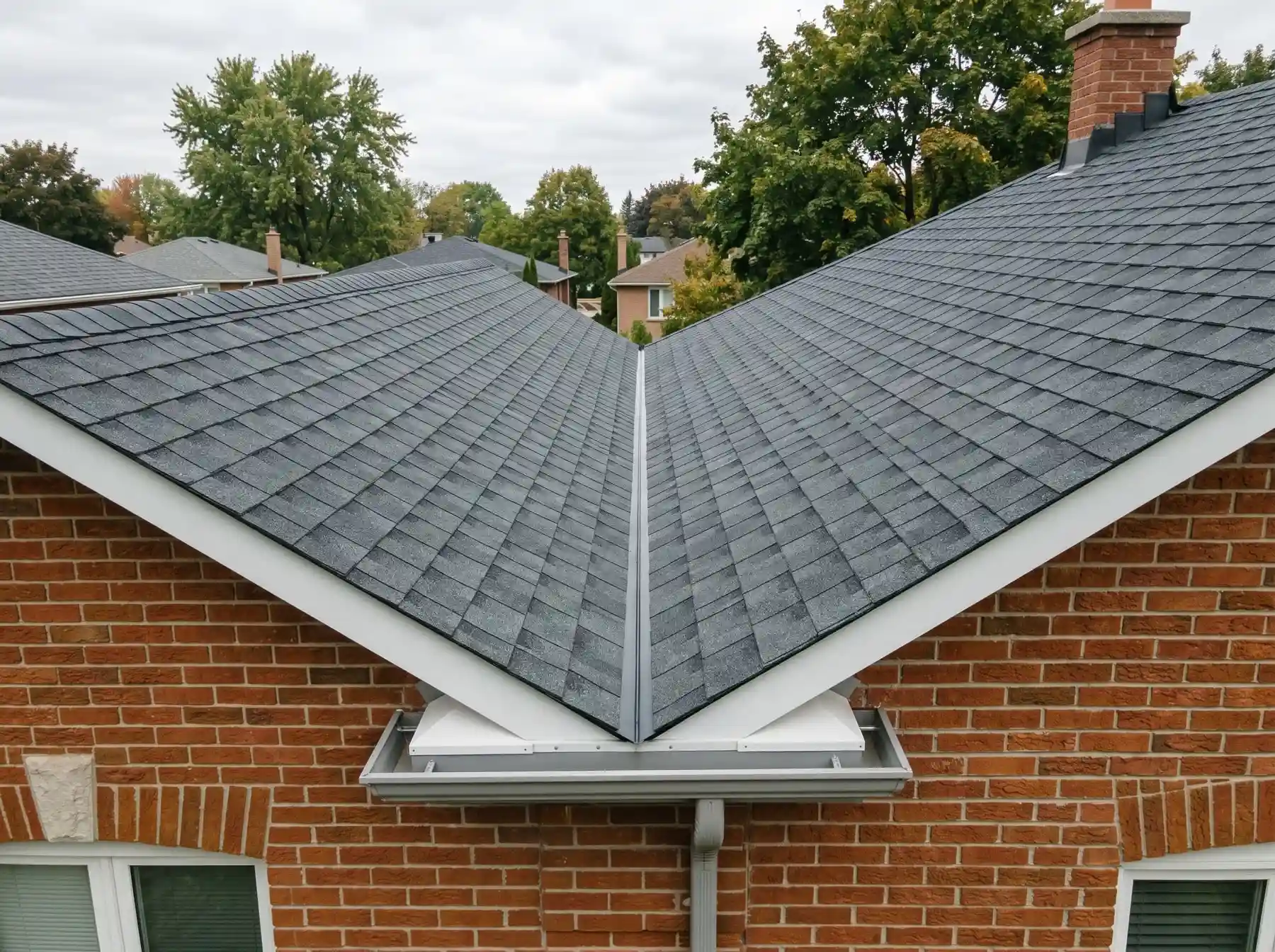
The permanent scope needs to cover the opening, damaged neighbouring shingles and any holes left by temporary fastenings. Interior drying is a separate part of the recovery: a secure roof covering does not dry wet insulation or repair a ceiling.
Keep the photographs, invoice and repair record together. If you intend to make an insurance claim, ask your insurer about the required evidence and urgent mitigation; coverage depends on your policy and the cause.
Before the temporary visit ends, Pat separates what has been protected from what remains uncertain and what permanent work is needed. The household needs that handover even if the dripping stops. Pat records which area was protected and who is arranging the next visit.
Before the crew leaves
Keep that temporary-work record where the household can find it. If water returns, tell the crew where and when; changing conditions can move or overwhelm a tarp. If the concern is loose shingles without an indoor leak, our wind-damage guide covers what to record.