
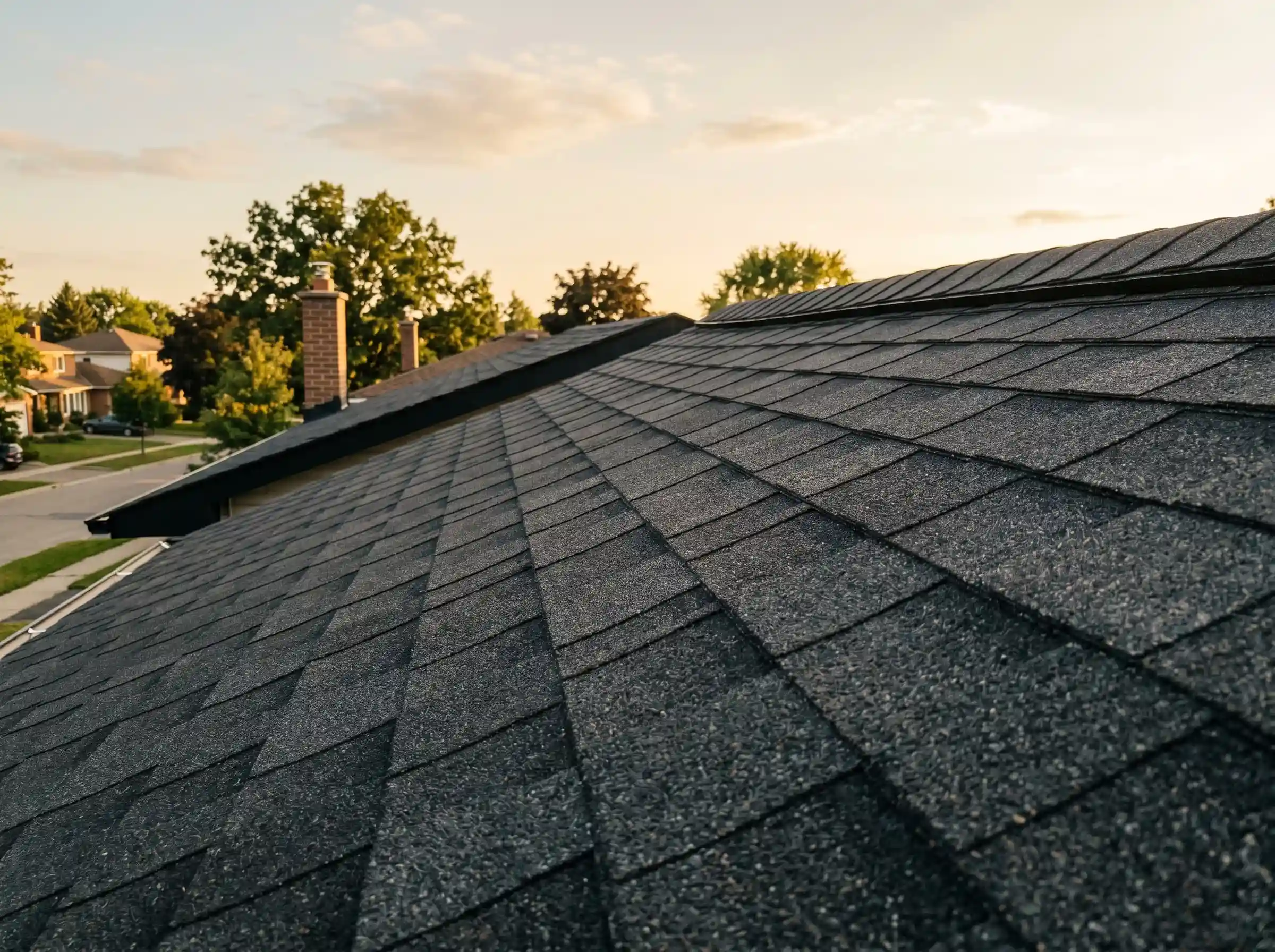
The new shingles have a ripple, and the homeowner has been checking it from the driveway twice a day. Pat understands the temptation. Fresh work should look finished. But "give it some sun" needs to be tied to an actual diagnosis, not used as a universal reply.
Slight waviness after a chilly installation and a sharp tent over a single spot deserve different investigations. The shape, product and installation conditions help determine whether to wait or correct a defect.
What Warmth Can Change
Asphalt shingles are more flexible in warmer conditions. Their sealing process also depends on the product and conditions. GAF's cool-weather guidance addresses handling and sealing during cool installations.
A broadly distributed, slight waviness after a chilly day is a different observation from one sharp tent over a nail. There is no reliable universal number of days after which every shingle must look identical. Shade, temperature and the product all affect the assessment.
Ask whether hand sealing was required and completed for your installation. Flatness and sealing are related but not interchangeable: a shingle can appear flat without having developed its intended bond.
Mike separates a shingle waiting to settle or seal from a shingle held up by something underneath. Waiting can change the first situation; it cannot remove misplaced material or correct a fastening defect. The installer needs to say which condition they believe they are seeing.
Three Raised Shapes, Three Inspection Clues
Appearance helps direct inspection, but does not establish the cause by itself.
Slight widespread waviness
Recent cool-weather handling and settling may be relevant; confirm sealing too.
One sharp tent
Check for a raised fastener, debris or locally damaged material.
Long repeated ridge
Look below the shingles at the underlayment and supporting deck.
What Sunshine Cannot Repair
A protruding fastener, debris trapped underneath, a folded membrane or uneven decking can keep a shingle raised. Heat does not relocate a nail or flatten damaged wood.
IKO's roofing FAQ identifies several causes of local raised openings, including fasteners and underlying irregularities. A roofer should check the affected area carefully rather than simply press it down and leave.
Long straight ridges that cross several courses point the inspection toward the deck or underlayment. Repeated distortion on the same roof plane may justify a wider review. A visibly folded or cracked shingle should be addressed as damaged material, not scheduled for a hopeful encounter with summer.
Record the Shape Safely
Photograph the roof from the ground in side light, when shadows make raised areas easier to see. Include a wide view and a closer zoom, and label which slope faces the street. Record the installation date and whether the condition is improving, unchanged or spreading.
Do not walk on the roof to press shingles flat or lift tabs to check their bond. That can create damage and obscures what the installer needs to inspect. Report flapping, displaced shingles or an active leak promptly rather than waiting for a cosmetic follow-up.
Dave would mark the affected area in a ground-level photo and agree a follow-up point. "Keep an eye on it" is a poor appointment system. A defined review gives the owner something more useful to do than worry at every gust.
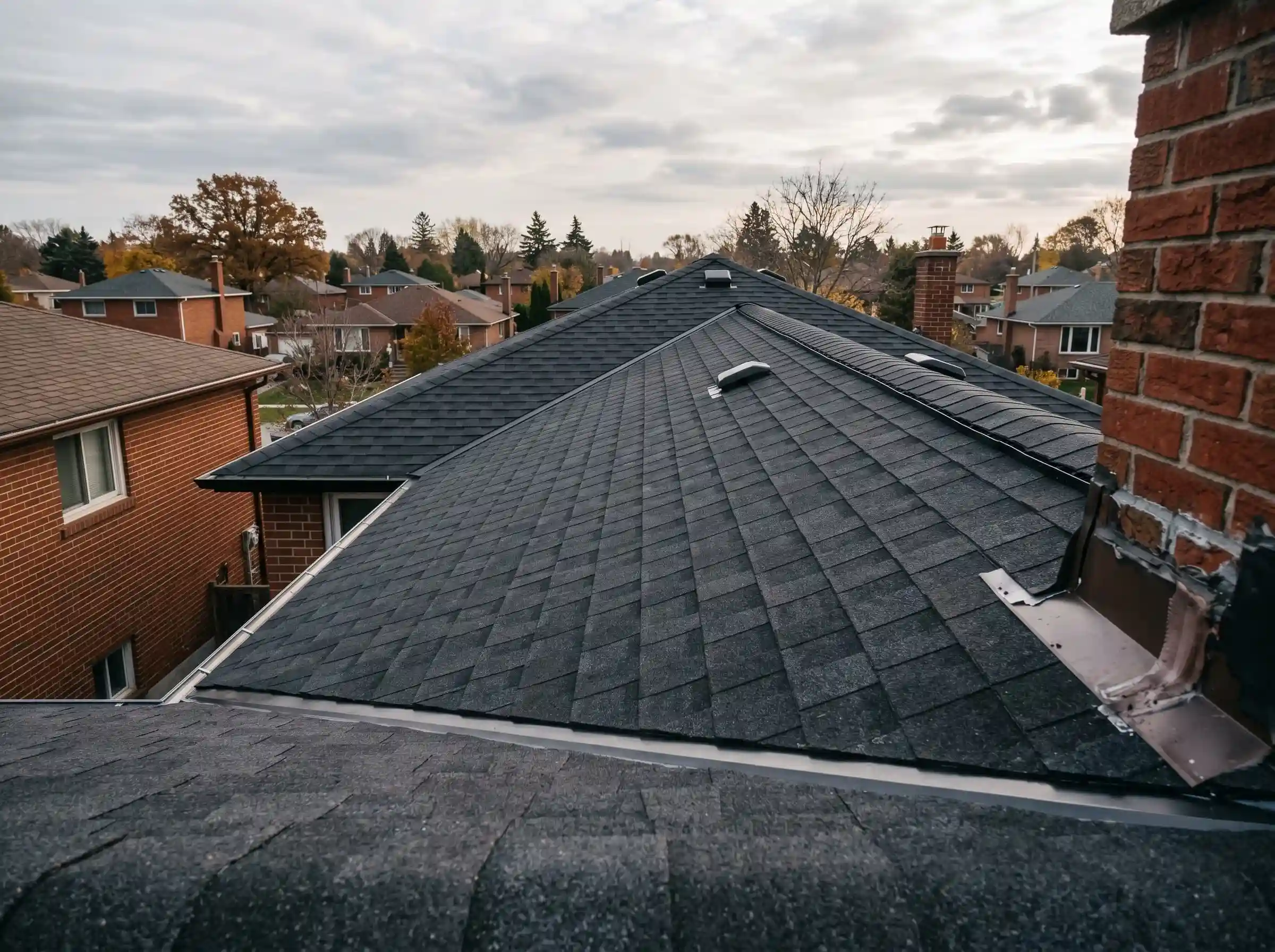
Make "Wait and See" a Useful Plan
A reasonable observation plan identifies the affected area, the explanation being tested and the follow-up point. For example, the installer may want to reassess slight widespread stiffness after suitable warm weather while correcting one obvious raised fastener immediately.
That is different from putting every concern on hold until summer. Wind exposure and sealing still need attention during the waiting period. If a shingle flaps, shifts or cracks, report that change rather than continuing the original cosmetic observation plan.
Keep the same ground-level view for the follow-up. It is easier to judge improvement when the camera angle has not changed the entire roof.
A defined reassessment is useful for temporary stiffness. A ridge originating below the shingles needs a different repair. The installer should name which explanation they are acting on.
Let the installer inspect lifted areas; do not climb up to press the roof flat yourself. We want a reasoned correction or a justified observation period, with the two clearly separated.