
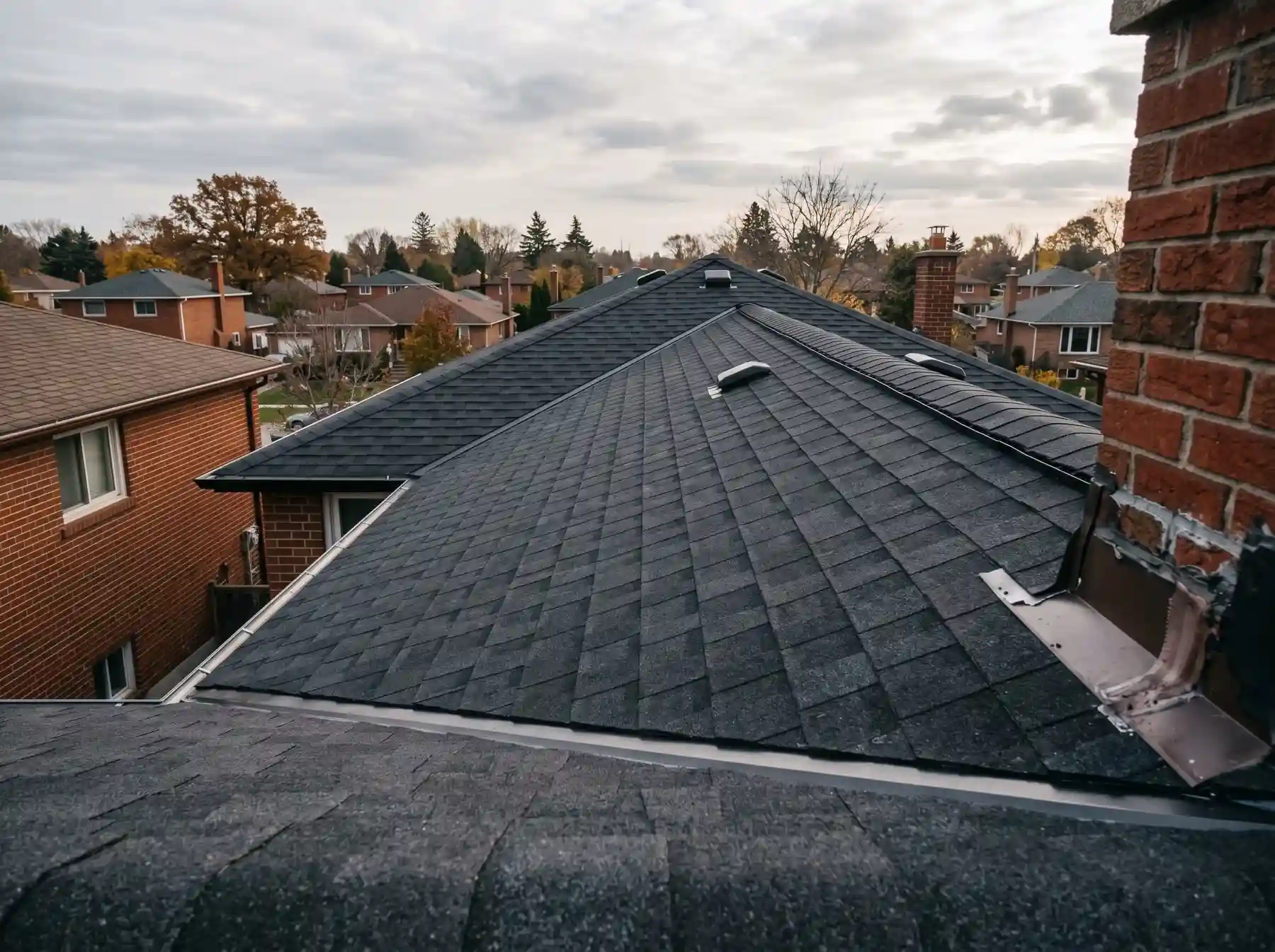
The vent hood looks presentable from the driveway. Martin asks why it appears on the replacement quote. Dave points to the part neither of them can see from there: the flange beneath the covering. A tidy hat does not tell us much about the connection under it.
The old vent hood looks fine, so leaving it seems like an easy saving. The flange hidden beneath the shingles may tell a different story. Judge the whole component and its purpose before deciding whether it belongs in the new roof.
Replacing an old vent while the surrounding shingles are already removed can avoid disturbing the new roof later. For its own Edge Vent product, Air Vent recommends new vents when reroofing. Check the guidance for the actual model on your house. Reuse may still be reasonable for a suitable sound component, but it should be a deliberate documented decision rather than an omission from the quote.
First Identify What the Fitting Does
A roof can carry attic exhaust vents, bathroom duct terminations and plumbing vent flashings. They serve different purposes and are not interchangeable. Ask the roofer to identify each fitting before comparing counts.
A bathroom fan connection should discharge outdoors through an appropriate termination, not into the attic. If that is part of the problem, read our bathroom-exhaust guide. Adding another attic vent does not correct a disconnected exhaust duct.
Beside each marked fitting, Martin asks for one of three decisions: replace, retain or remove. Pat adds what will happen to the opening. Now the two quotes can describe the same roof instead of two unexplained vent counts.
Inspect More Than the Visible Surface
Ask about cracks, corrosion, distorted flanges, damaged screens and old fastener holes. Removal can reveal deterioration hidden under the previous covering or damage a component that looked serviceable beforehand.
The selected vent and roof covering have installation requirements. Current manufacturer instructions are the right place to check compatibility, rather than assuming any vent can be worked into any shingle installation with extra sealant.
If reuse is proposed, ask what condition would trigger replacement once the old roofing is removed and how that change would be priced. This avoids an unnecessary pause when the flange finally becomes visible.
Decide Vent by Vent
Appearance alone does not establish whether a component belongs in the new assembly.
Identify its job
Separate attic ventilation, duct exhaust and plumbing penetrations.
Inspect the component
Check body, flange, screen and attachment condition.
Check compatibility
Confirm the vent suits the roof slope, covering and intended airflow.
Record the decision
Specify replacement, reuse or removal with the required deck and flashing work.
Review the Air Path, Not Just the Number of Vents
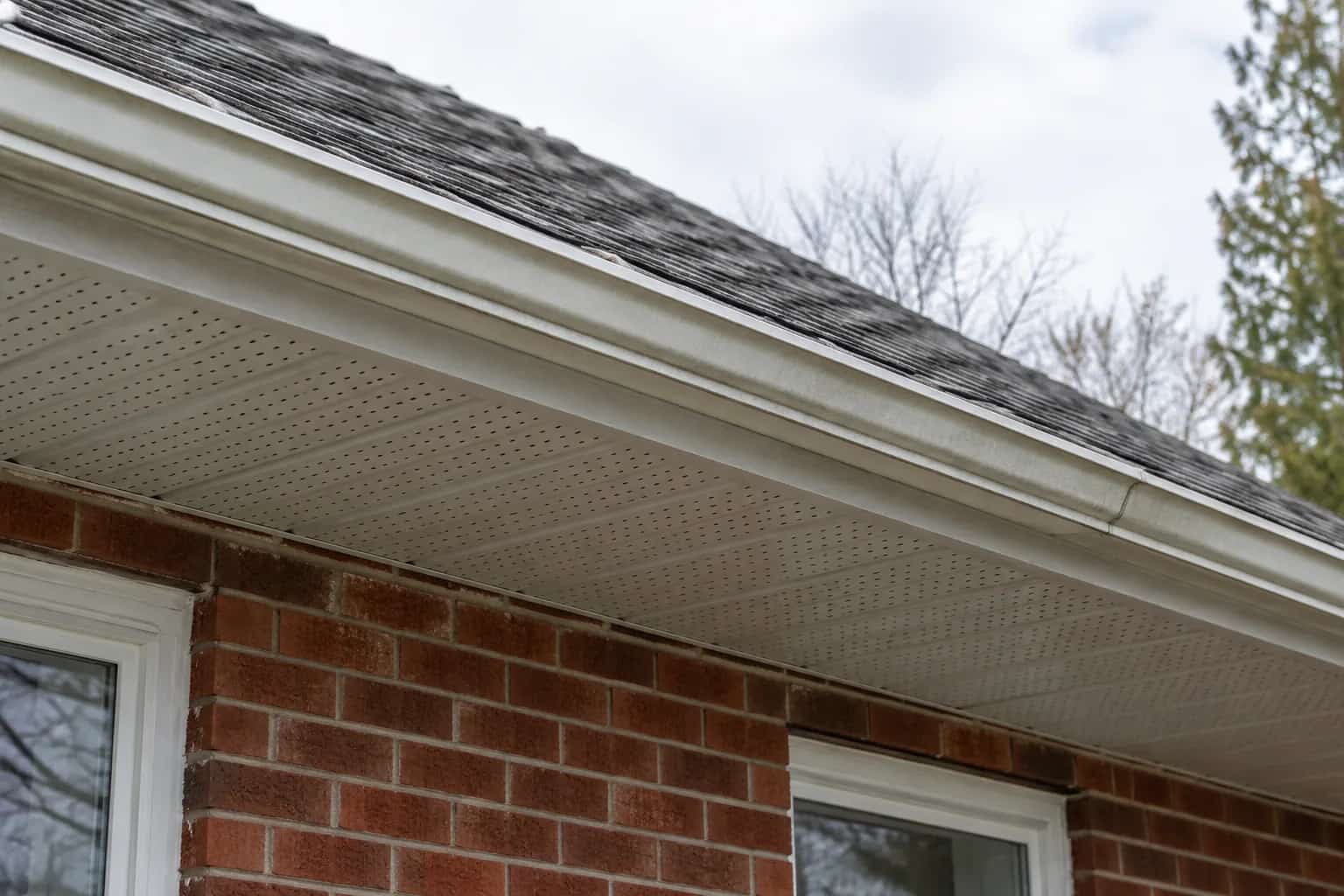
Copying the existing layout can reproduce an existing problem. The contractor should consider the attic arrangement, available intake and the type and distribution of exhaust. A vent count from a neighbour's roof is not a design.
Ask whether openings are obstructed and whether any planned soffit or insulation work affects airflow. More visible exhaust hardware is not automatically better, particularly when different exhaust methods interact or intake is inadequate.
Winter frost or condensation also calls for attention to air leakage and indoor moisture. Our winter moisture guide explains why shingles alone cannot solve that problem.
Pat labels each roof fitting on a photograph. Two similar-looking hoods do different jobs, and one old opening may no longer be useful. Martin stops counting vents and starts asking what each one serves. That is a much better conversation for a reroof.
Compare the Saving With the Future Access
A sound component may have a case for reuse. An uncertain one deserves a comparison that includes the work needed to reach it later, after fresh shingles surround it.
Ask for two clear outcomes: the cost to replace it during the reroof and the evidence supporting retention. You are not buying new hardware for its own sake; you are deciding whether a small saving now is worth keeping an older concealed connection.
Also distinguish replacement from redesign. Changing a damaged vent for a suitable new model is one decision. Changing the attic's intake and exhaust arrangement is another and needs an assessment of the whole air path.
Close Abandoned Openings Properly
If the layout changes, an old opening may need a supported deck repair and continuous roofing layers above it. Ask how that work is specified and photographed. Simply leaving an unused fitting because removing it takes effort is a different decision from retaining a useful vent.
Keep the final layout and product information. You should be able to distinguish attic vents from duct terminations when a later contractor points at the roof; counting identical-looking hoods will not do it.
Mike asks for the retention decision to stay conditional until concealed parts can be inspected. Martin also wants the price of replacement during the work, not after fresh shingles surround it. The goal is sensible reuse where supported, with no forgotten old connection hiding inside a new-roof invoice.