
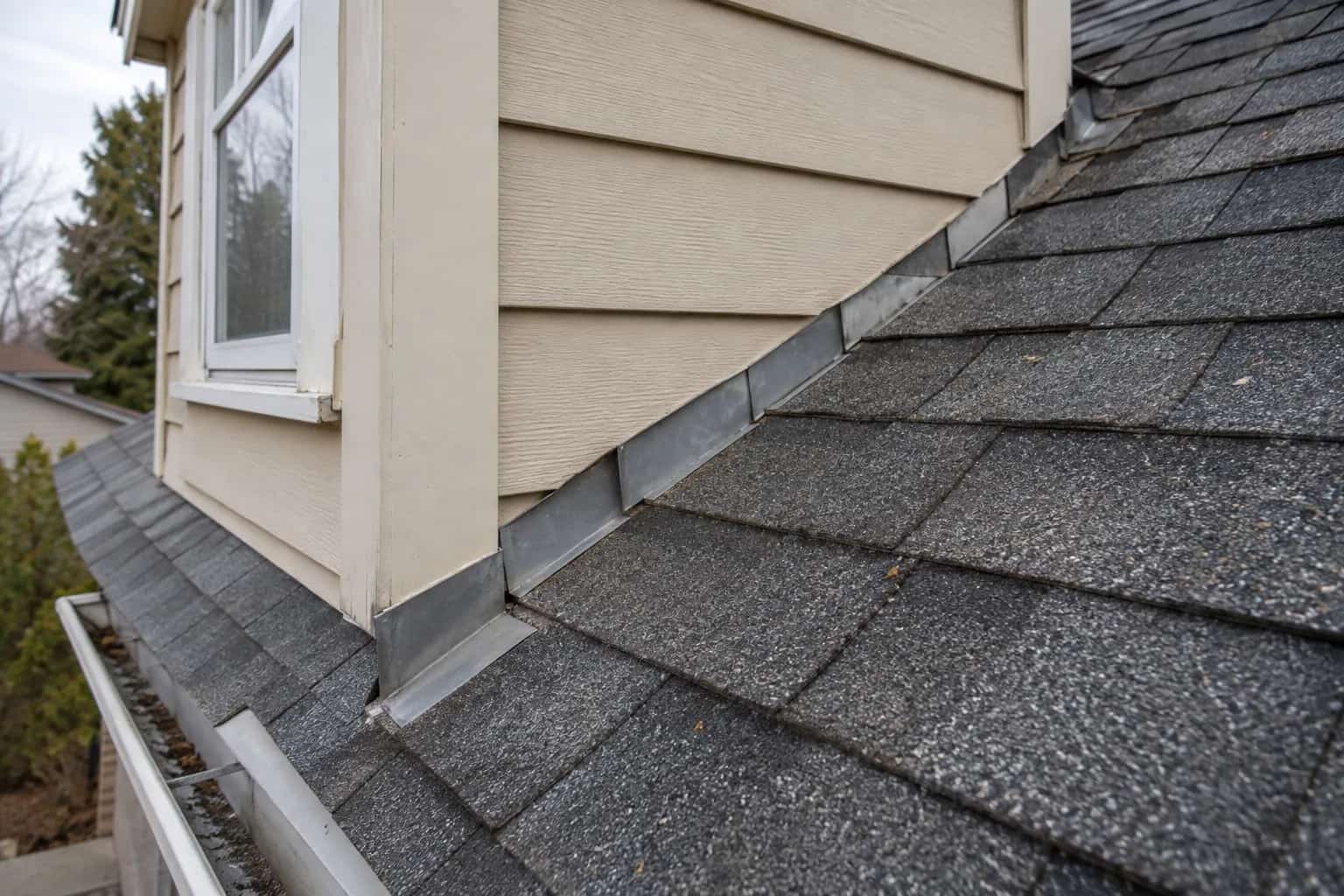
The two quotes use the same shingles, but one has a line for siding access that makes the total noticeably higher. Alice asks Mike whether that is unnecessary extra work. He asks which wall junction each quote actually includes. The important difference is behind the finish, where the driveway view cannot help.
Two quotes name the same shingles. One includes new wall flashing and siding access; the cheaper one says "reuse existing metal." Those are different scopes, even if the finished roof would look much the same from the street. Compare the concealed junction before comparing the total.
Flashing directs water at interruptions such as walls, chimneys and roof transitions. The trouble often lies in the portion you cannot see from the driveway, including its laps and connection behind another material.
Separate the Different Components
Ask the quote to identify step flashing along sloped walls, apron details, counterflashing at masonry, valley metal and pipe flashings as relevant. Their condition, access and replacement work differ.
The Building America retrofit guide recommends new flashing at roof-wall intersections during replacement and explains the importance of integration with the wall drainage layer. Use that principle alongside the applicable local requirements and product details.
Look for Damage and Mismatch
Corrosion, cracks, distortion and old holes can compromise reuse. Even intact metal may be too small or incorrectly shaped for the new detail. A change in covering thickness or adjacent material can alter the fit.
IKO's flashing guide discusses assessing flashing during reroofing. Ask how the roofer will inspect the concealed portion and what happens if removal damages it. A decision made before tear-off should remain conditional where the evidence is incomplete.
Extra sealant is not a substitute for a missing drainage overlap. Sealants have legitimate roles in specified details, but they should not be the entire explanation for reusing unsuitable metal.
Pat marks the dormer wall on a photograph and separates the flashing from the labour to reach it. Alice had pictured a few pieces of metal. Now she can see why removing and reinstating the adjacent material belongs in the comparison too.
Four Tests Before Reusing Flashing
A piece of metal can look intact and still fail one of the conditions for reuse.
Condition
Check corrosion, splits, deformation and previous holes.
Dimensions
Confirm it fits the new covering and required detail.
Integration
Verify laps and connections to roof and wall water-control layers.
Access
Decide whether concealed portions can be inspected or must be exposed.
Access Can Be the Expensive Part
Step flashing may extend behind siding. Counterflashing may be set into masonry. Replacing these components can require careful removal and reinstatement by another trade, which is why a cheap reuse allowance may conceal a large scope difference.
Alice asks who will remove and restore the adjacent material, whether matching pieces are available and how the opening will stay protected if weather interrupts the work. Our roof-and-siding sequencing guide covers that handover. These are reasonable questions before access becomes an emergency decision.
If access is genuinely limited, the contractor should describe the limitation and proposed detail clearly. It should not become an invisible exception discovered only after a leak.
A Sensible Mixed Decision
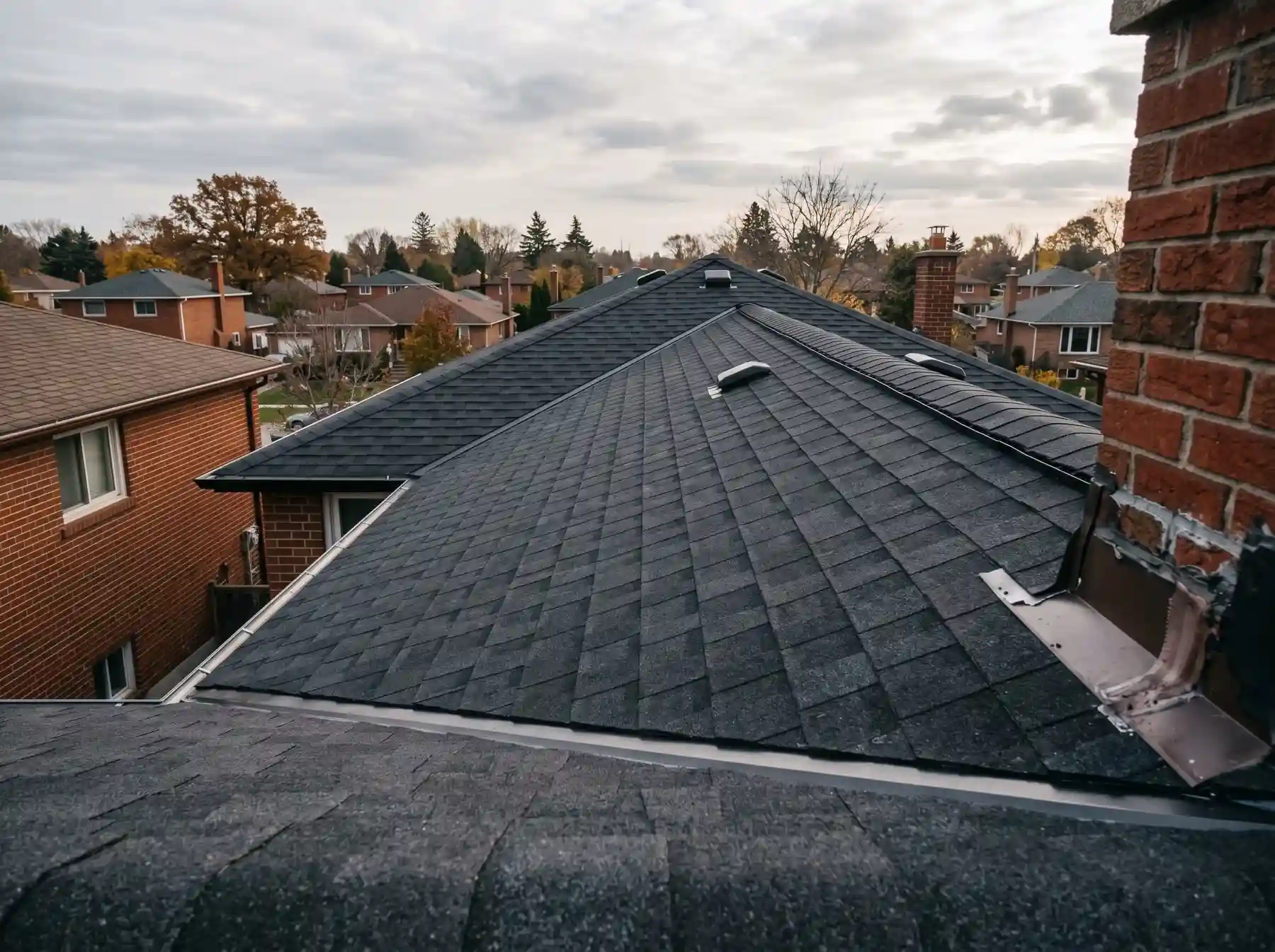
A chimney can have several metal components with different conditions. Retaining a suitable counterflashing piece while replacing the roof-side work may be a reasoned proposal. "All metal stays" does not explain that judgement.
Likewise, a small dormer wall can carry a disproportionate labour cost if siding must be removed and restored. Ask the contractor to separate the metal itself from the access work. You can then see what the lower-priced proposal actually omits.
The comparison is especially important when older siding may be difficult to match. Settle that problem before the roof is open, rather than using unsuitable old flashing to avoid an unplanned wall repair.
Record the Final Decision by Location
Before covering the work, ask for photographs and a short record of which flashings were replaced or retained. Keep the relevant product instructions and any approved scope changes with the invoice.
A useful decision might retain one serviceable component while replacing another nearby. The owner does not need to make that technical judgement from a phone photo, but should understand the reasons and the cost.
Compare the saving with the cost and disruption of reopening new shingles later. Where access is already available during tear-off, leaving an uncertain old junction can be a poor bargain.
Dave keeps the chimney decision separate. One suitable component might remain while nearby roof-side work changes; "all metal stays" is too broad to explain that judgement. Alice asks for the final record by location. That small amount of specificity makes the cheaper proposal either a genuine saving or a clearly different job.