
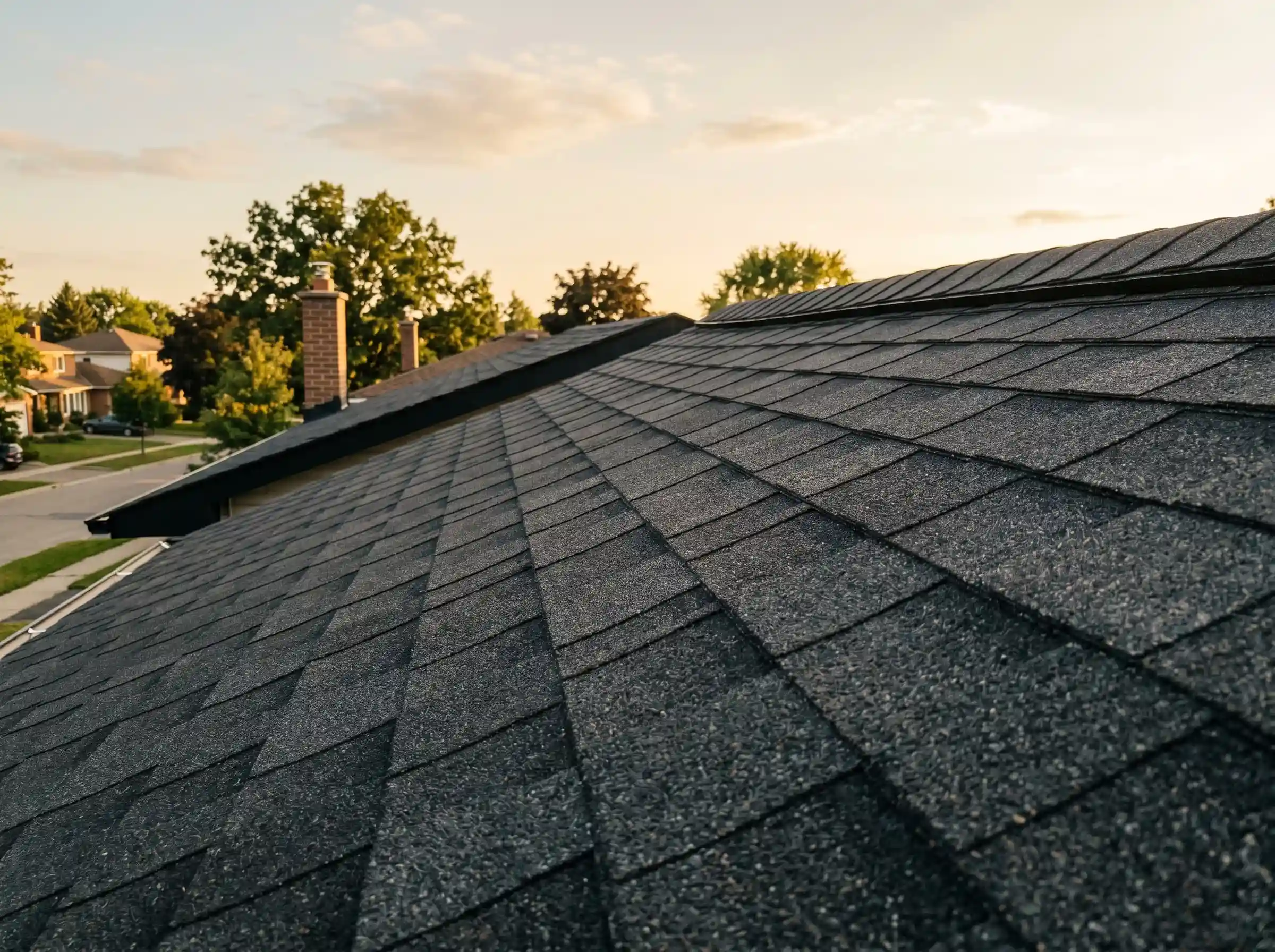
The car is moved, the dog is at the sitter's and the roofer calls to delay. It is frustrating news, especially when the morning still looks dry.
Mike's question is what the crew could safely leave behind if the forecast arrives early. A roof with a complicated chimney junction and uncertain decking offers less room for error than a clear, straightforward slope.
A weather plan needs a protected stopping point before tear-off starts. Agree how the decision is made, what can be opened and how unfinished work will be protected. Owning a tarp is only the beginning of that answer.
Before the Crew Starts
Agree when the contractor will confirm the start, who contacts you and what happens to the delivery, bin and access route during a delay.
IKO's replacement-planning guide includes weather and coordination among schedule factors. A percentage in a forecast does not say when rain will reach the street or how a stripped chimney junction will be closed.
Ask which area can be brought to a protected condition if weather arrives early. "We will work quickly" is not a description of that condition.
A weather plan has stopping points
The work plan needs an answer for changing weather.
Before opening
Confirm forecast decision time and household logistics.
During stripping
Limit work to an area that can reach a protected state.
Rain response
Document what was open and the temporary protection.
Restart
Assess substrate and coverings against product conditions.
Handover
Keep completed-area photos and an after-hours contact.
Open Only What Can Be Managed
Deck repairs can slow the work unexpectedly. A good plan allows for that possibility rather than assuming every surface underneath is ready for new shingles. Agree how the owner will approve hidden decking work without leaving the crew waiting for hours.
Before the next layer goes down, distinguish wet deck drying from proven material damage.
Underlayment Has a Specific Role
GAF describes underlayment as a secondary water-shedding layer beneath the finished roof covering. That does not make every partly installed sheet an overnight roof system.
The selected product's instructions determine fastening, laps and exposure limits. A quoted ultraviolet exposure period is not automatically a promise of watertightness through any storm. Ask the roofer to explain the temporary assembly, not just name the roll.
Check that the plan deals with the junction between completed and incomplete work. Water can arrive from above the opened area, so protection needs to connect with the roof that remains.
A printed exposure period needs a separate temporary-weather-protection check, including unfinished edges, fasteners and openings.
The Small Opening That Changes the Day
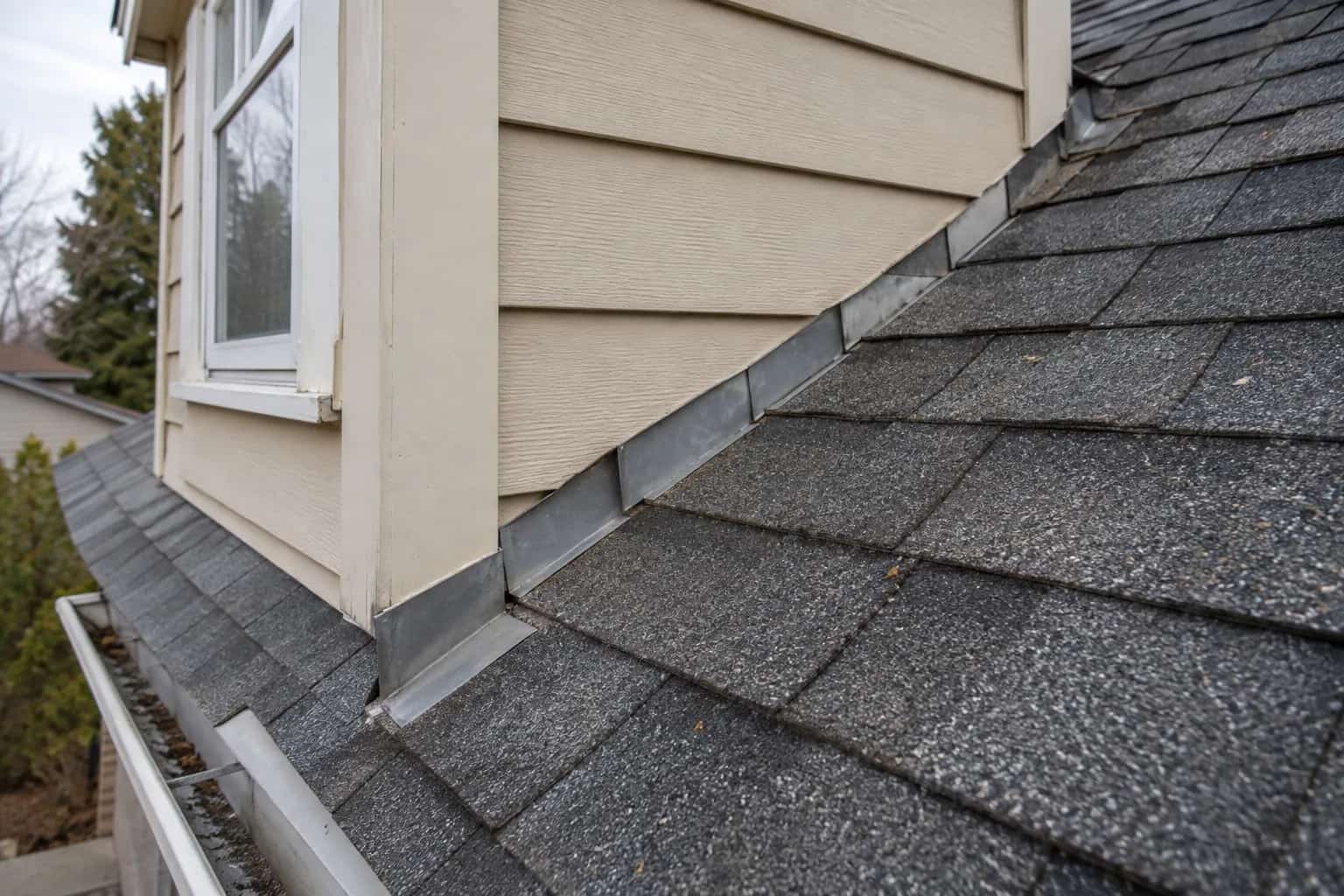
From the garden, most of the rear slope can look finished while the strip beside the chimney remains open. That strip deserves the next hour more than another easy area of shingles. The end-of-day update should identify the protected junction, not just report an impressive percentage complete.
Ask which stopping point the crew is working toward: a protected slope with its junctions completed, or a temporary arrangement that still needs a later visit. Either answer needs a credible water path and a person responsible for checking it.
This is also why a modest deck repair can change the day's sequence. Protecting the rest of the opened area may take priority over starting another slope.
Details Are the Difficult Part
A tarp also needs secure attachment and drainage appropriate to the house. Homeowners should not climb up to tighten it during wind or rain. Agree who checks the temporary arrangement and whom to contact if a new leak appears.
If work spans several days, request a short end-of-day update identifying completed areas and remaining work. Photographs are useful, particularly when the street view hides the rear roof.
Where a power mast passes through the roof, arrange the utility, electrical and roofing sequence before tear-off reaches that penetration.
Keep the Ground Plan Separate
Weather protection above and debris protection below are both necessary. Tarps used to catch old shingles in the garden do not establish the roof's rain protection. Ask about windows, equipment and household access as separate items.
For the owner, the practical task is to keep contact details available and report any new interior moisture promptly from a safe location. Do not wait until the final walkthrough because "they are not finished yet."
The rain-delay decision comes before this sequence. Once work starts, the important update is which areas are protected and which still need attention, especially on the rear slope you cannot see from the street.
Rain During the Job and the Restart
The contractor should implement the protection plan and keep people out of unsafe work areas. From indoors, report new moisture with its location and time. Keep clear of a bulging ceiling or wet electrical fittings; do not climb onto the roof to inspect a tarp.
Ask what was open when rain arrived and how it was covered. Before restarting, have the crew check for displaced protection and unsuitable wet or damaged substrate. The selected product's instructions govern application conditions; a fixed number of drying hours cannot describe every deck and weather combination.
Brief wetting alone does not prove permanent damage. Equally, scheduling pressure is not a reason to cover unsuitable material. Keep the condition assessment and any drying or replacement decision in the record, then confirm the revised work stage, cleanup and bin-collection timing.