The crew is working outside, but the upstairs room smells different. Tell the site supervisor promptly and identify what is being used before accepting either it is harmless or the whole roof is toxic. Odour is an observation. It does not measure a chemical concentration or establish whether a particular person can remain comfortably and safely in the space.
If someone feels unwell, move them away from the exposure and seek appropriate medical or poison-control advice. For severe symptoms, fire, a gas concern or another immediate danger, leave the affected area and contact emergency services. If a carbon monoxide alarm sounds, leave immediately and call 911 from outside; do not investigate the source.
After urgent concerns are addressed, the owner and supervisor compare notes outside the affected room. The smell began during one particular task, not when the first bundle arrived. Mike asks for the product name and timing. The conversation becomes more useful as soon as roofing stops being treated as one substance.
Name the Material, Not Just the Trade
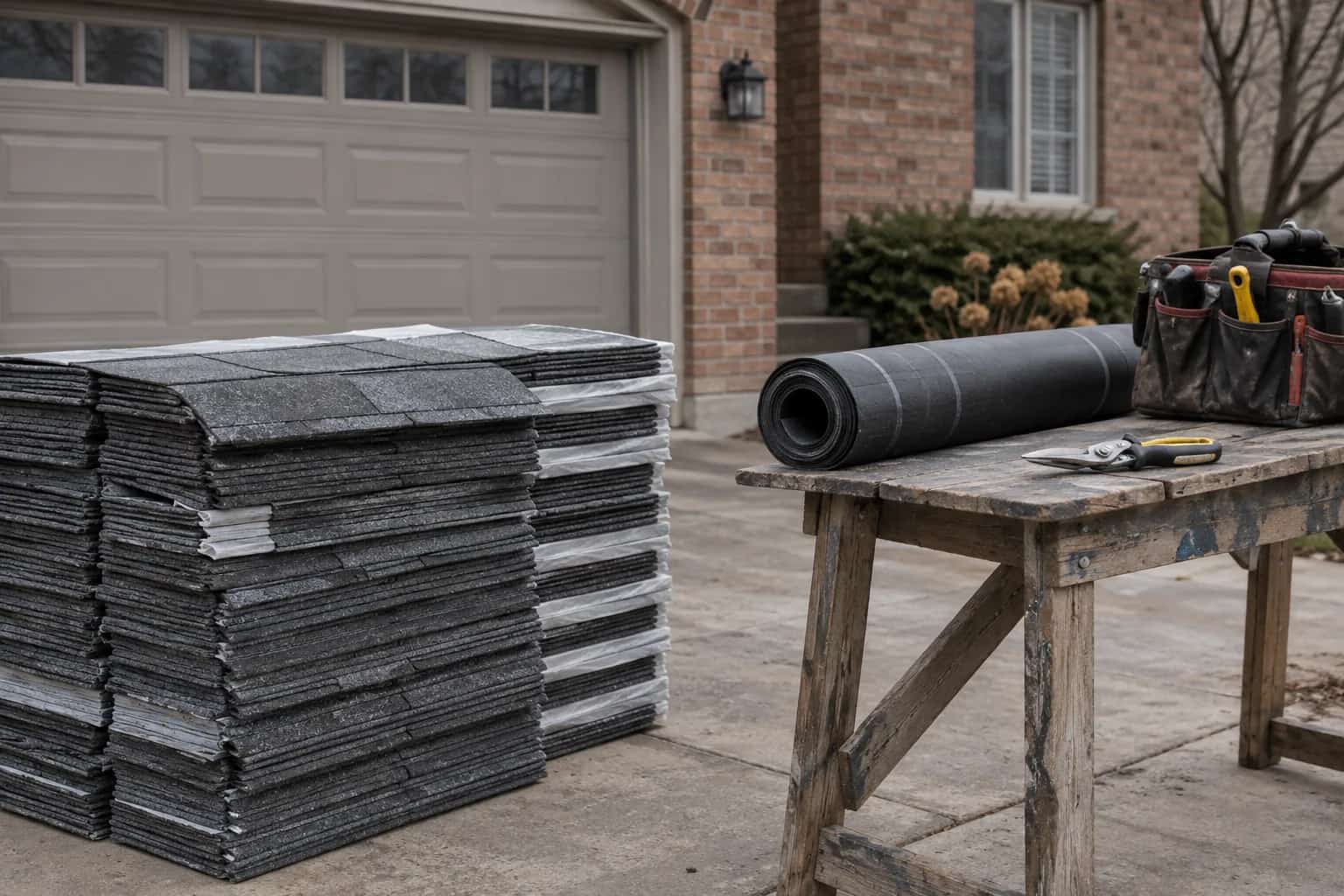
Roofing can involve different products and processes: shingles, membranes, adhesives, primers, sealants and cleaning products. A distinctive smell during one operation should not be attributed to every material on the truck.
Mike asks which container is open, where the product is being applied and when that work began. The label and exact product name are more valuable than somebody's confident description of what tar normally smells like.
Ask for the current safety data sheet and technical instructions for the product actually used. Henry's 204 product page is an example of a manufacturer providing both technical and safety documents. It is not evidence that this product is on your roof or that its instructions cover another adhesive.
A safety data sheet identifies hazards and handling information. It does not measure the conditions in your bedroom or automatically answer an occupancy question. If the situation remains unclear, the contractor and manufacturer may need qualified indoor-air or occupational-hygiene input.
Record Where and When It Appears
Note the room, time, open windows and ventilation equipment operating when the odour is noticeable. Include whether it changes when a particular task stops. Do not deliberately expose yourself again to test a theory.
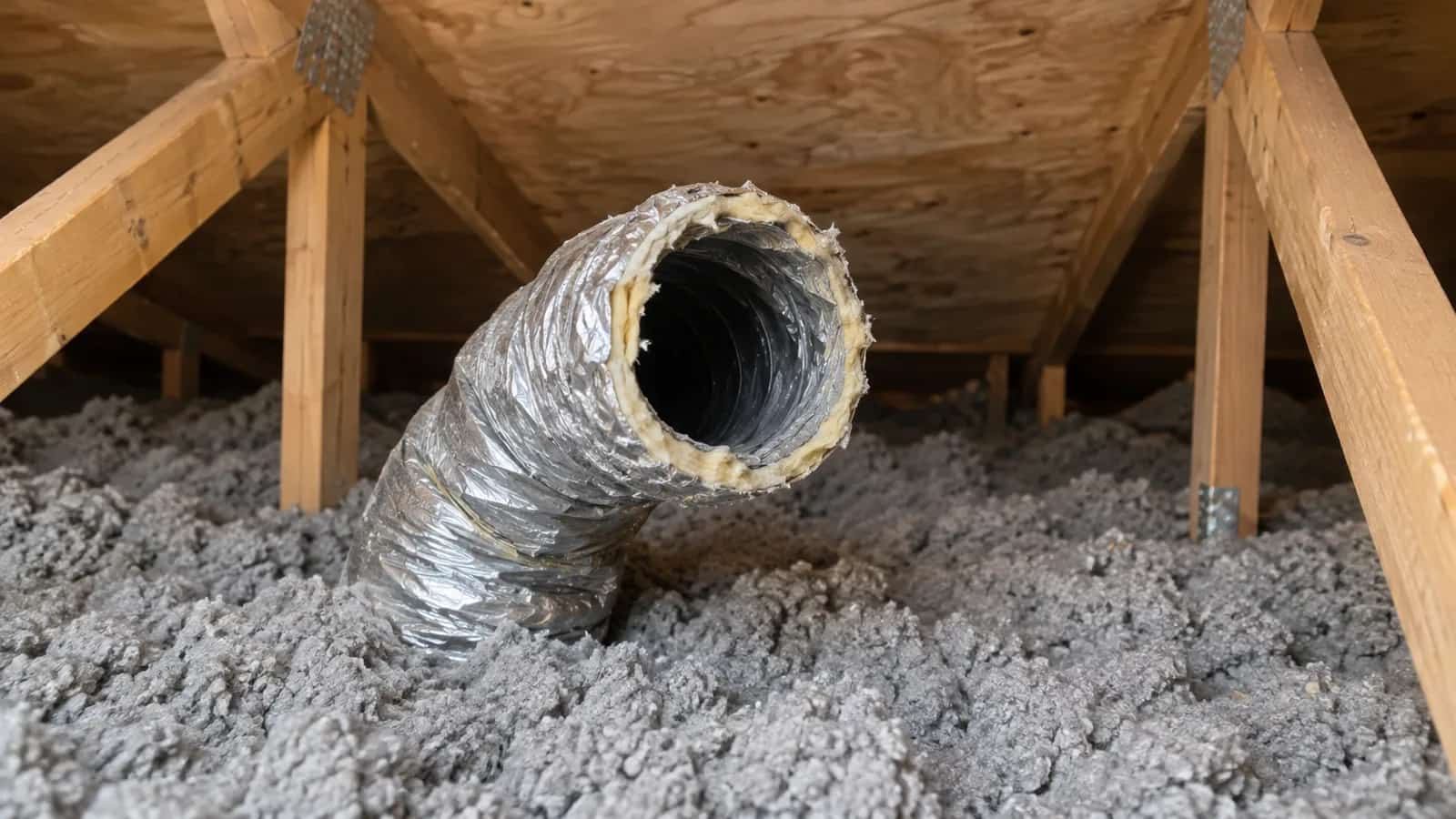
A window near the work may be one route; a fresh-air intake or an enclosure opening may be another. The contractor should consider the actual building rather than tell you to close every vent. Combustion and required ventilation openings must not be blocked by improvisation.
Health Canada's VOC guidance supports reducing sources and providing suitable ventilation. Ventilation should use an appropriate clean-air route; opening a window directly beside active product application can be counterproductive.
Dave first suspects the open window, but that does not account for the second room. He corrects the notes and asks about the ventilation route instead of defending the first guess. A wrong first theory is manageable; a theory nobody is allowed to change is much less useful.
Agree on a Practical Work Change
Depending on the findings and product requirements, the plan may involve pausing a task, adjusting sequencing, protecting an identified entry route appropriately or arranging for occupants to be elsewhere during particular work. The choice should come from the actual materials and conditions.
Discuss sensitivities and household needs before work when possible. That gives the contractor time to review suitable products and logistics instead of improvising while a room is already unpleasant. Do not rely on a promise that every roofing smell disappears within a fixed number of hours.
A portable air-quality display cannot automatically identify a chemical or certify the room. Its measurement limits matter. Persistent or unexplained odours need an investigation suited to the suspected source, not just a reassuring number from an unspecified sensor.
From Odour Report to Useful Action
The exact product and observed route make the investigation useful.
Respond to symptoms or alarms
Move away and obtain appropriate urgent help; do not investigate a CO alarm.
Identify the product
Obtain the exact label, safety data and work timing.
Investigate the route
Review windows, intakes and enclosure connections without blocking required ventilation.
Document the change
Record the agreed work adjustment and persistent concerns.
Keep Alarms Separate From Smell
Health Canada explains that carbon monoxide has no smell. A roofing odour does not identify it, and the absence of odour does not rule it out. Keep working alarms in place and follow their emergency instructions.
Before the crew leaves, record the product, work change, observations and any further follow-up. If the odour persists after the suspected operation ends, report that rather than assuming the explanation is settled.
The aim is a specific, useful answer: what was used, how it could reach the room, what changed and whether further assessment is needed. Pat can leave the phrase smells fine to me out of the report. Different noses are not testing equipment.
The owner leaves with product information and an agreed follow-up, rather than an argument about whose nose is more sensitive. Pat writes the unresolved room observation down too. It deserves an answer even if the first room has improved.