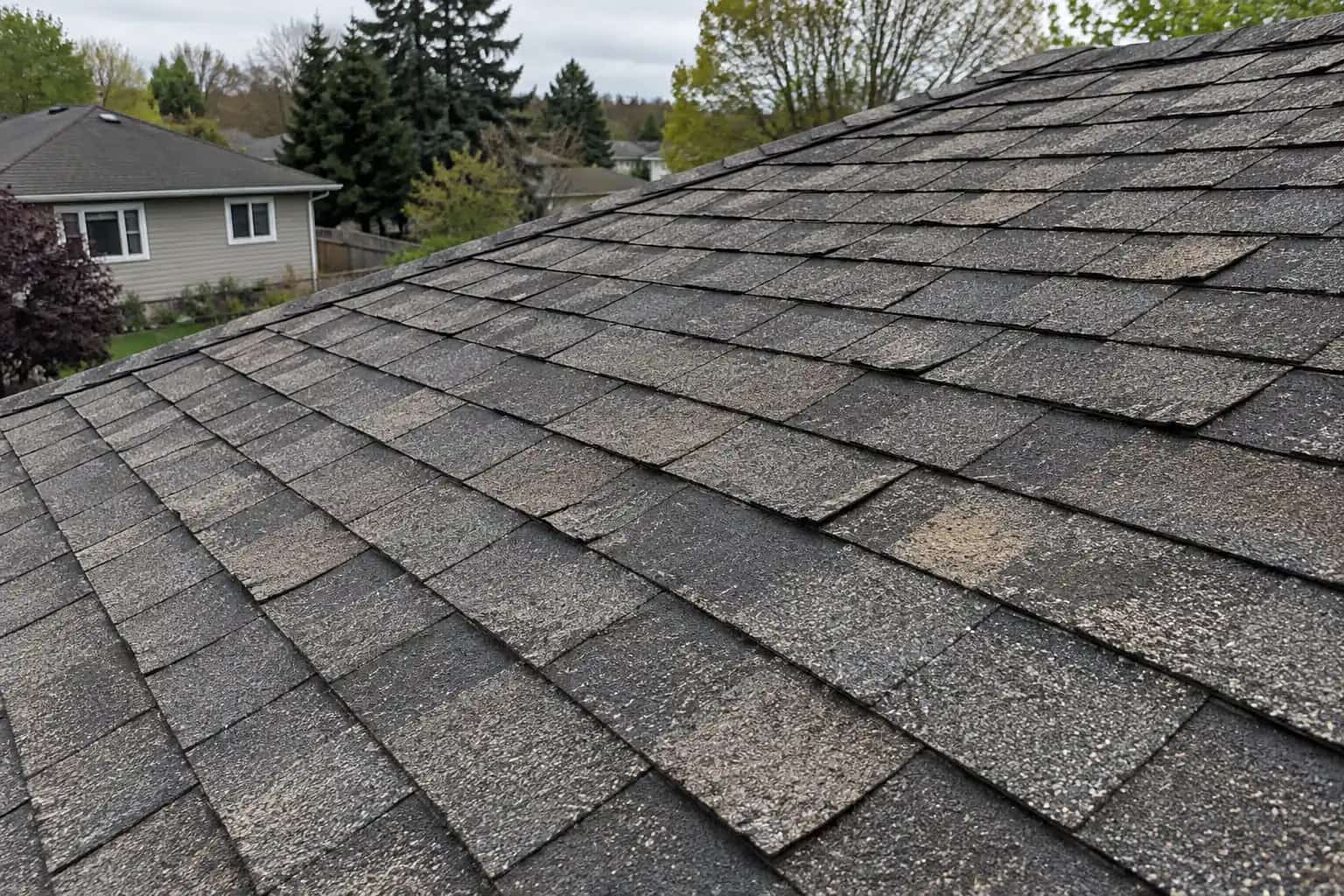
The roof looks grey after a smoky week. The homeowner asks Mike whether it needs washing. He asks what actually reached the property and whether local authorities have cleanup instructions. Distant smoke, deposited ash, direct ember exposure and fire damage are different conditions. The work should follow the condition, not the colour of the sky.
Do not climb up to brush off a grey film. During poor air quality, avoid adding an unnecessary outdoor task. If the property was directly affected by fire or an evacuation, follow official re-entry and cleanup directions before arranging ordinary roof maintenance.
Identify the situation before choosing a cleaner
The decision can be smaller than the worry. A light deposit after distant smoke may call for assessment of whether cleaning is useful at all. Ash from a directly affected property raises exposure and cleanup questions. Evidence of burning requires emergency and restoration assessment. Putting these situations under one "smoke-damaged roof" label can lead to the wrong work.
Record visible deposits from safe ground and note the event date. A roofer or restoration professional may need to distinguish ash from pollen, ordinary dust, biological staining or roof-surface wear.
If there are signs of burning, damaged equipment or structural damage, this is beyond a routine wash. Emergency and restoration assessment comes first. Public Safety Canada's wildfire guidance emphasises that dangerous conditions can remain after an event.
The owner has a leaf blower ready for the driveway. Pat asks them to leave it put while the ash-cleanup advice is checked. Avoiding airborne dust is part of the decision, and a method used on paving cannot automatically move onto the roof.
Separate smoke exposure from cleanup and damage
The appropriate response depends on what actually reached the property.
Check local directions
Follow air-quality, evacuation and cleanup advice for the event.
Observe deposits safely
Record visible ash or debris without climbing or disturbing it.
Plan compatible cleanup
Address worker protection, roof materials, collection and runoff.
Inspect affected details
Document any actual damage separately from surface deposits.
Do not blow the problem into the air
Alberta Health Services' outdoor cleanup advice warns against leaf blowers and air hoses for ash-contaminated exterior surfaces. Although written for wildfire recovery, the dust-control principle matters when evaluating a proposed ash cleanup.
Ask the contractor to explain exposure protection, collection and wash-water destination. Pat wants those answers before discussing how clean the roof will look. Roof access adds fall and surface-damage risks, and a paved-yard method may be unsuitable for shingles or coated metal.
Avoid household chemical mixtures, abrasive scrubbing and pressure washing unless the roof manufacturer has specifically approved the proposed process for that material.
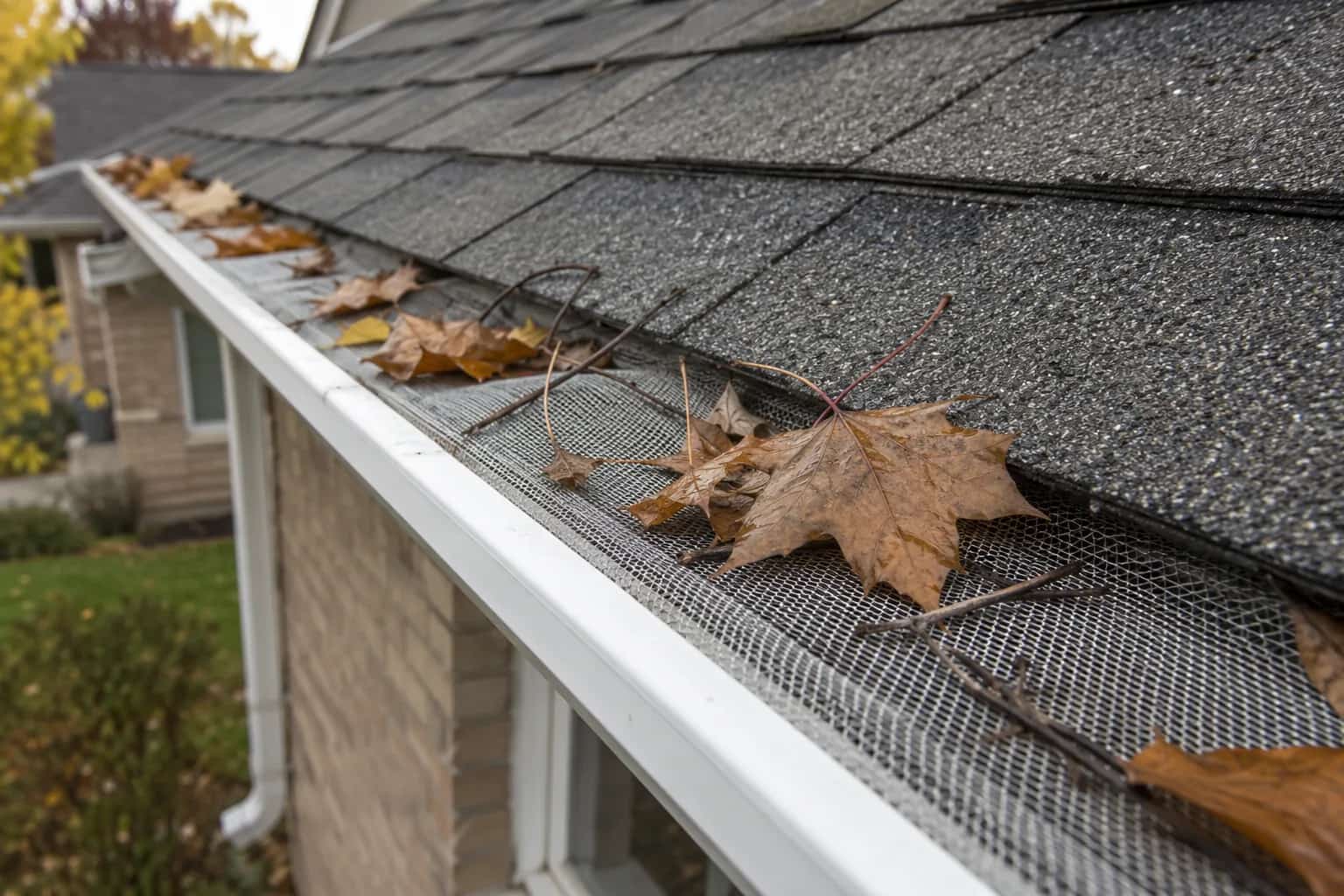
Deposits can gather at gutters, screens, corners and outlets. Ask whether the scope includes those collection points rather than only the visible slope.
Tell the contractor if runoff enters a rain barrel, cistern, pond or sensitive planting. Do not assume roof runoff is suitable to use after contamination. Follow local public-health and municipal advice for collection systems and disposal.
Check for any current water-use or discharge restrictions before cleaning. Guidance from another province can inform the questions, but local instructions govern the actual cleanup arrangements.
The proposed cleaning scope lists only the slopes. Dave asks about the gutters and the rain barrel connected below. Where material collects and where wash water would go matter as much as the visible finish. They resolve those questions before agreeing to a wash.
What the inspection actually found
After cleaning or inspection, ask what was found: deposits only, a blocked outlet, damaged roofing, or an area needing more assessment. A report should not label the entire roof fire-damaged solely because smoke passed through the region.
Keep photographs and invoices with the roof-maintenance record. If staining remains, ask whether it was present before the smoke event and whether further treatment would help.