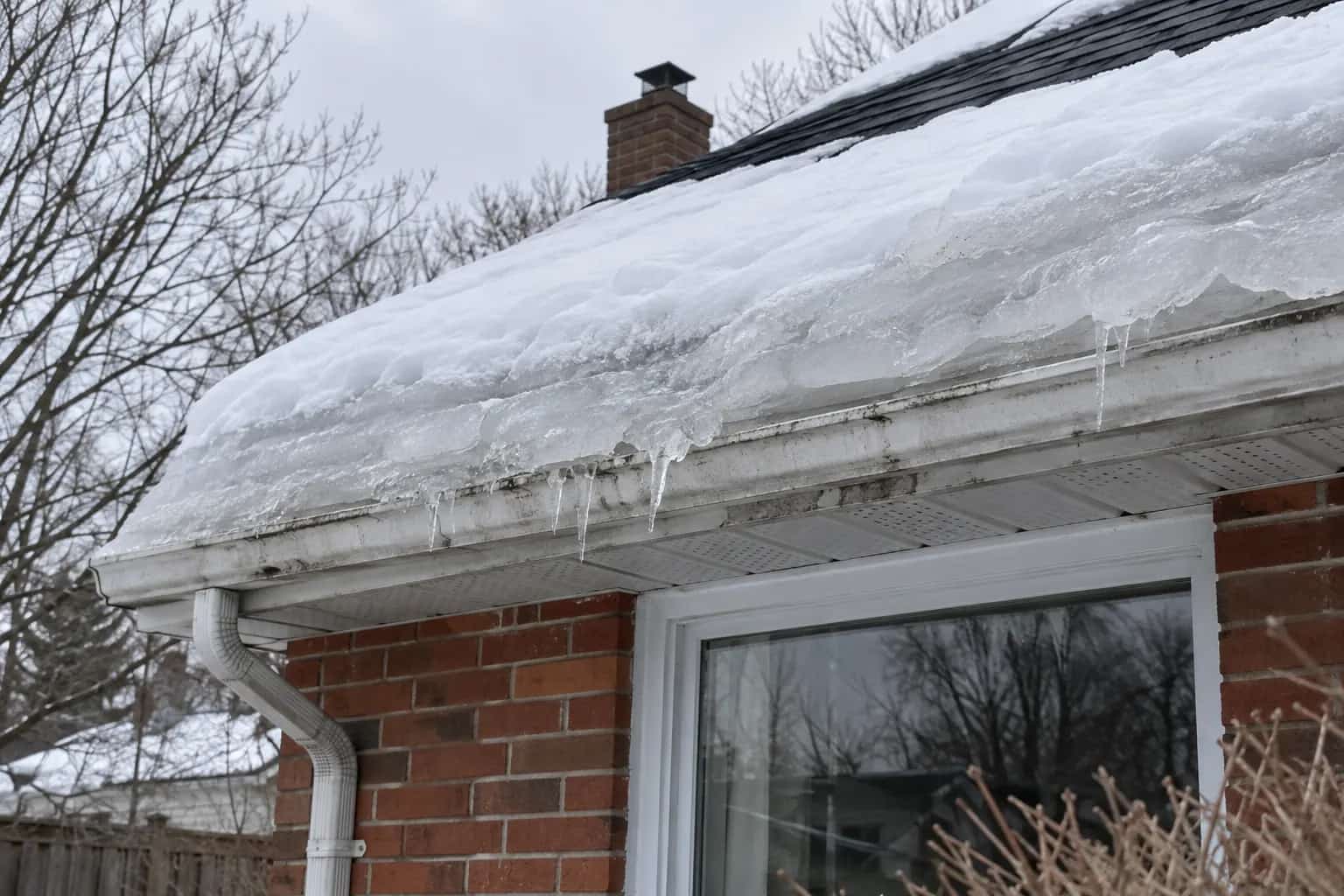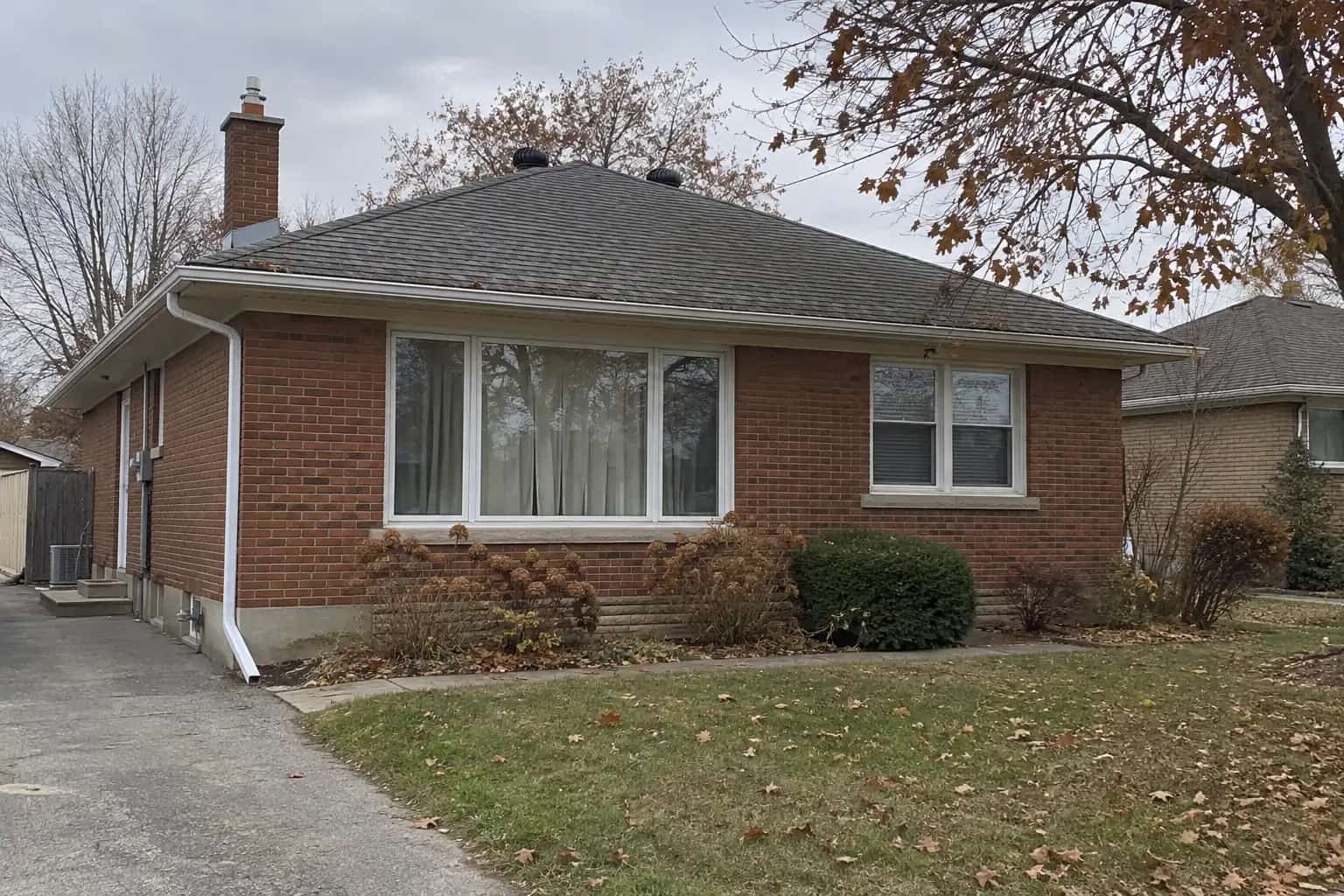
Before leaving, Helen tells her neighbour to "keep an eye on the roof." The neighbour looks upward, then at Helen. Pat suggests a more manageable assignment: check these rooms, take a safe photograph of a change, and use this contact list. Nobody needs to acquire a trade because the owner has booked a flight.
The neighbour checking your house while you travel needs permission and phone numbers, not roofing expertise. Leave a one-page plan saying what they can safely observe, whom to call and what urgent help they may arrange if you cannot be reached.
Include a backup contact and keep supporting repair or insurance information available if needed. The first page should still be readable in a hurry.
Set the job at ground and room level
Agree which rooms will be checked for new ceiling stains or drips and which exterior views are safe to use. Show any known trouble spot, such as a rear gutter that has frozen previously or an entrance where ice can fall.
Make the boundary explicit: no ladders, roof access, ice removal, electrical investigation or entry into a visibly damaged area. If a storm makes access unsafe, the person should call rather than attempt the visit at all costs.
Provide a few current photographs of relevant ceilings and exterior details. They help distinguish an old stain from a change without asking the checker to remember every mark in the house.
Leave contacts in the order they may be needed
List emergency services, the electrical utility, a roofing contact and any property manager or backup keyholder. Include the address in full; under stress, even familiar information can be awkward to relay.
Explain that a suspected structural failure, fire or electrical hazard takes priority over calling you. Keep people clear of downed wires, damaged ceilings and falling ice.
Public Safety Canada's winter-storm preparation advice is a useful starting point for the household's wider emergency arrangements, including service disruptions.
They test the key and find the spare does not turn the lock. That small rehearsal is worth more than another paragraph in the plan. Dave adds the backup keyholder and the agreed authority for urgent help if Helen cannot be reached.
Give the checker a decision path
A written plan avoids asking someone to improvise while you are unreachable.
Ordinary visit
Check agreed rooms and safe ground views for changes.
Report a concern
Send a photo, location and time without approaching hazards.
Urgent hazard
Call emergency services or the utility when the situation requires it.
Arrange authorised help
Use named contractors and agreed authority for temporary protection.
Decide what can be authorised
A useful handoff answers a small real-life problem: your phone is unavailable, a new drip appears and the neighbour has a roofer on the line. Can they authorise temporary protection? Who can provide entry? Where are the old repair details? Decide that before departure so they are not trying to interpret a vague "keep an eye on things" message in the middle of a storm.
Helen writes down whether the neighbour can book an urgent inspection or temporary weather protection if she cannot be reached, and agrees a practical approval route with the contractor where possible. "Do what you think" sounds generous until someone has to decide what it authorises.
Keep policy information and previous roof-repair records accessible without sharing more personal information than the person needs. Ask your insurer directly about requirements that apply to the planned absence; do not assume a neighbour's visit schedule satisfies your own policy.
Confirm key access, alarm instructions and how a contractor would enter if interior inspection is needed. Test the arrangements before departure rather than discover a flat smart-lock battery from another time zone.
A drip description is enough
Ask for the date, location, visible change and a safe photograph. "New drip beside the rear bedroom window at 2 p.m." is enough to begin a useful conversation. A diagnosis is not required.
Our storm-photo guide can help the checker capture context without approaching the hazard. If something is temporarily covered, keep the contractor's photographs and invoice as part of the same record.
Review any reported changes and confirm that temporary measures received permanent follow-up. If ice was removed, find out whether the cause was investigated. If a stain appeared, do not simply paint it because it is dry today.
Thank the person who checked the house, and update the plan with anything that was unclear. A calm set of instructions is a better travelling companion than trying to arrange your first roofing contact from an airport lounge.
The first-page instructions stay short enough to read while a phone is ringing. Helen keeps policy and repair information available separately. Mike's final request is simple: if a temporary measure is needed, preserve the record and arrange its follow-up. Coming home should not turn an emergency patch into permanent architecture.