
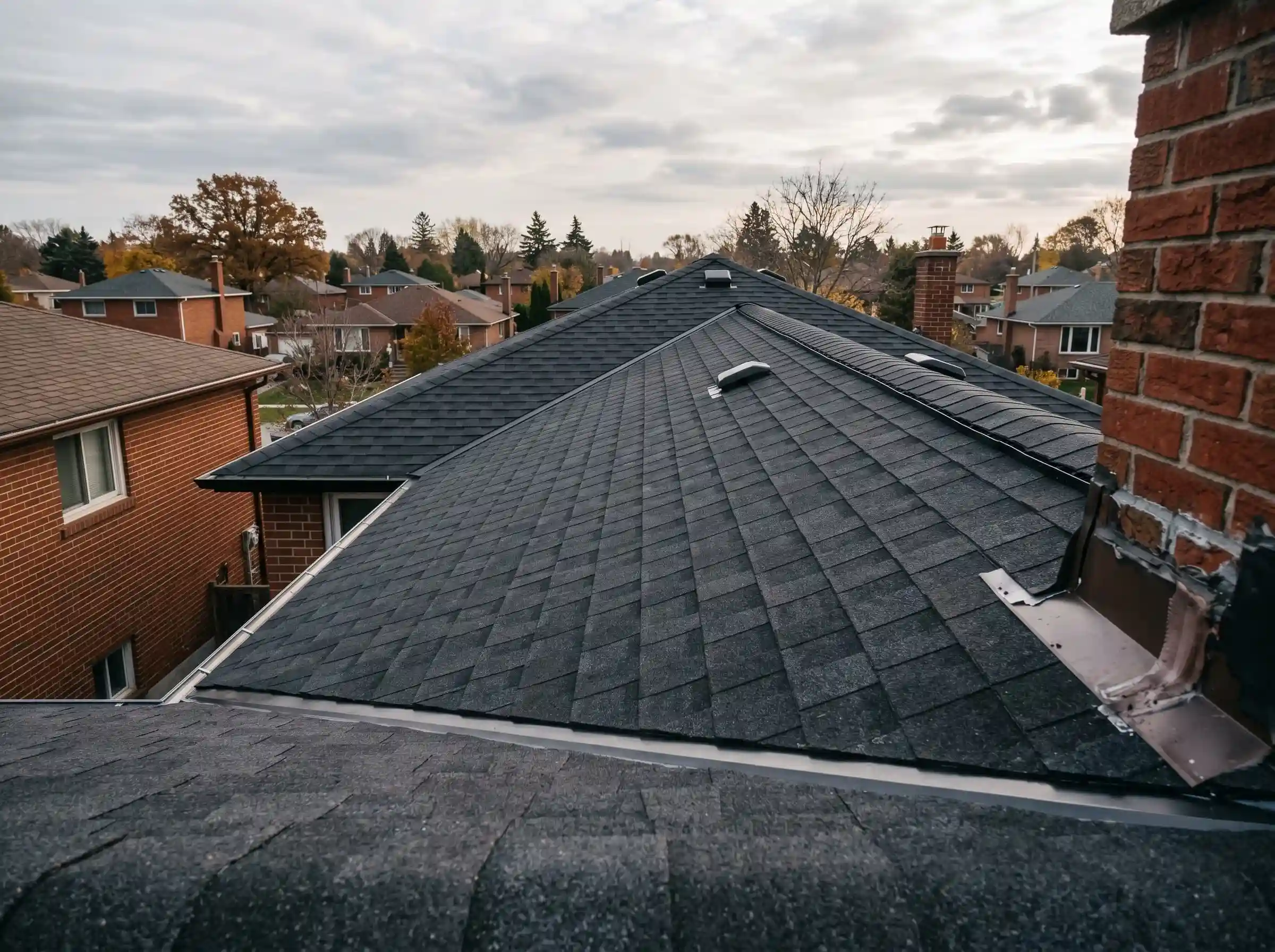
The turbine over the garage is turning. The one over the bedroom is not. Before buying a replacement, establish whether the second unit is receiving comparable wind and whether its moving assembly is actually obstructed or damaged. A still rotor is a useful observation, not a complete diagnosis.
Do not climb up to give it a push. A ground-level video, the product details and a clear description of when the change began give a service contractor a sensible starting point.
On the driveway, Nora has a theory: the garage turbine works harder because nobody sleeps underneath it. Dave watches both for a moment. The rear one stays still while the front one turns. Then the breeze changes and the front one stops too. "First we establish the wind," he says. "Then we accuse the machinery."
Compare Like With Like
Two turbines on the same house can sit in different conditions. A taller roof, tree or neighbouring building may shelter one from a particular wind direction. A brief lull can also make a photograph misleading. Note whether the unit remains still through several ordinary breezy periods and whether it previously turned under similar conditions.
Wind movement in a tree does not measure the air reaching a rotor above another part of the roof. It does, however, help describe the occasion: steady breeze from the front, garage unit moving, rear unit stationary. That is better information than a still photograph labelled broken.
Record any wobble, scraping sound, visible dent or change after roof work. Keep the observation separate from the explanation. A noise after a storm deserves inspection; it does not prove that a bearing failed during that storm.
Check the Part That Stopped
A turning rotor, a sound roof connection and a clear attic route are different findings.
Wind exposure
Compare observations over more than one breezy period.
Moving assembly
Have damage, obstruction and alignment assessed for the identified model.
Roof connection
Separate head repair from flashing or base work.
Attic route
Check intake and moisture sources if those were part of the complaint.
The Head, Neck and Roof Opening Have Different Jobs
The rotating head needs to turn as its design intends. The supporting neck holds it in the correct position. The base connects the assembly to the weather surface. Below that, an actual opening must connect to the attic.
GAF's Master Flow installation instructions warn against damaging or misaligning the rotor and bearing assembly and require adjustment of the stack to vertical. They also discuss wind exposure. Those are model-specific inspection points, not instructions to straighten an unknown turbine from a ladder.
Ask the contractor to identify the manufacturer and model before proposing lubricant, a replacement head or a new complete unit. Bearings and serviceable parts differ. A spray that seems to free something briefly is not evidence that the assembly is repaired or that the product permits that treatment.
A useful report separates visible rotor damage, alignment, attachment and the roof flashing. Replacing the head may make sense where the compatible base remains sound. A damaged or leaking base changes that scope. Have the quote say which parts stay and why.
Her phone video is more useful than the first photograph: the rear head hesitates and rocks while the front one rotates. Mike asks for the model and a service inspection, not a can of spray. The question has narrowed from why is my attic bad to what is preventing this assembly from moving normally.
What If It Spins but the Attic Is Still Damp?
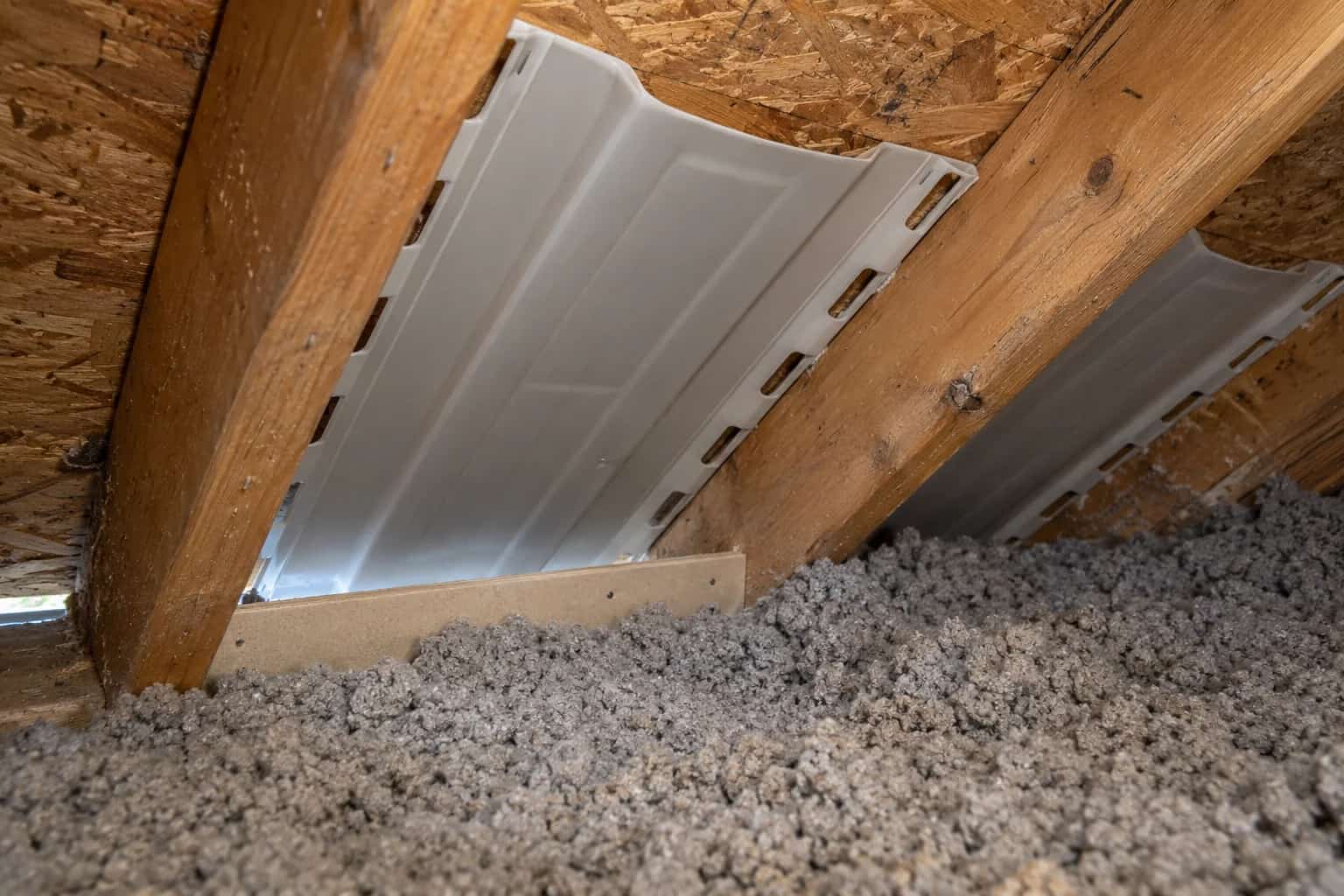
Imagine the replacement turns beautifully while insulation continues to block the rear soffit. The moving part has been corrected; the air route has not. Likewise, a bathroom duct emptying into the attic remains a moisture source even beside a working turbine.
Our intake and exhaust guide explains the wider check. The contractor should map the attic space served, confirm suitable intake and account for other exhaust types. Do not add another kind of vent merely because the existing turbine looks old.
A rotor's speed is not a homeowner airflow measurement. Neither a fast spin nor a quiet stop establishes wood moisture, air sealing or whether the attic is dry. If the original complaint includes frost, staining or a ceiling drip, keep those symptoms in the work order.
Finish With More Than a Moving Part
Before service, agree what evidence you will receive: the identified unit, the defect found, parts replaced and any roof-opening work. Ask for photographs that show the base as well as the head. Keep any warranty or maintenance instructions with the invoice.
Afterward, observe from the same safe position in comparable weather. Report continuing noise, wobble or a leak. If the service was part of a moisture investigation, compare the moisture condition through the relevant weather too. A spinning silver hat is reassuring. It is not the whole inspection.