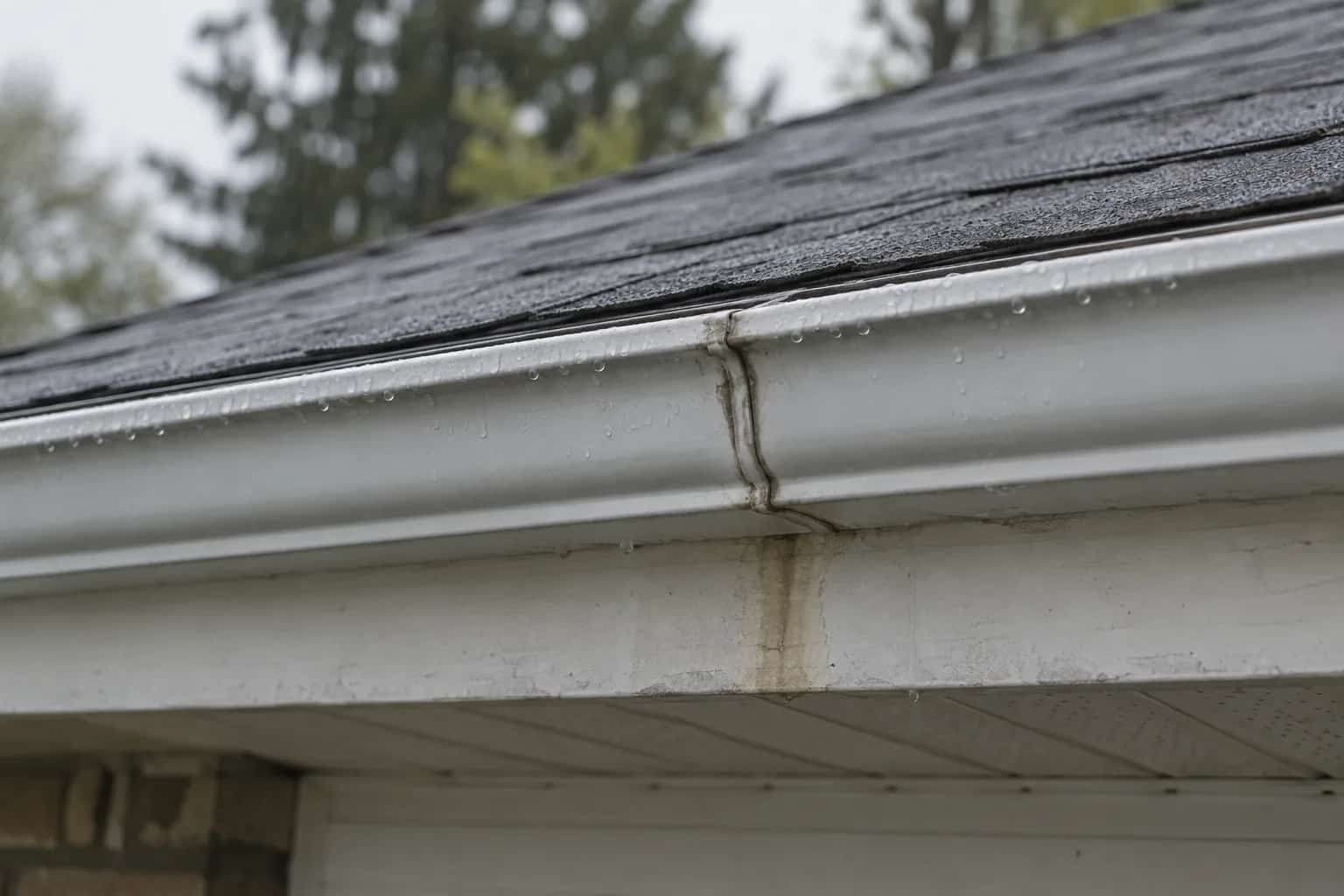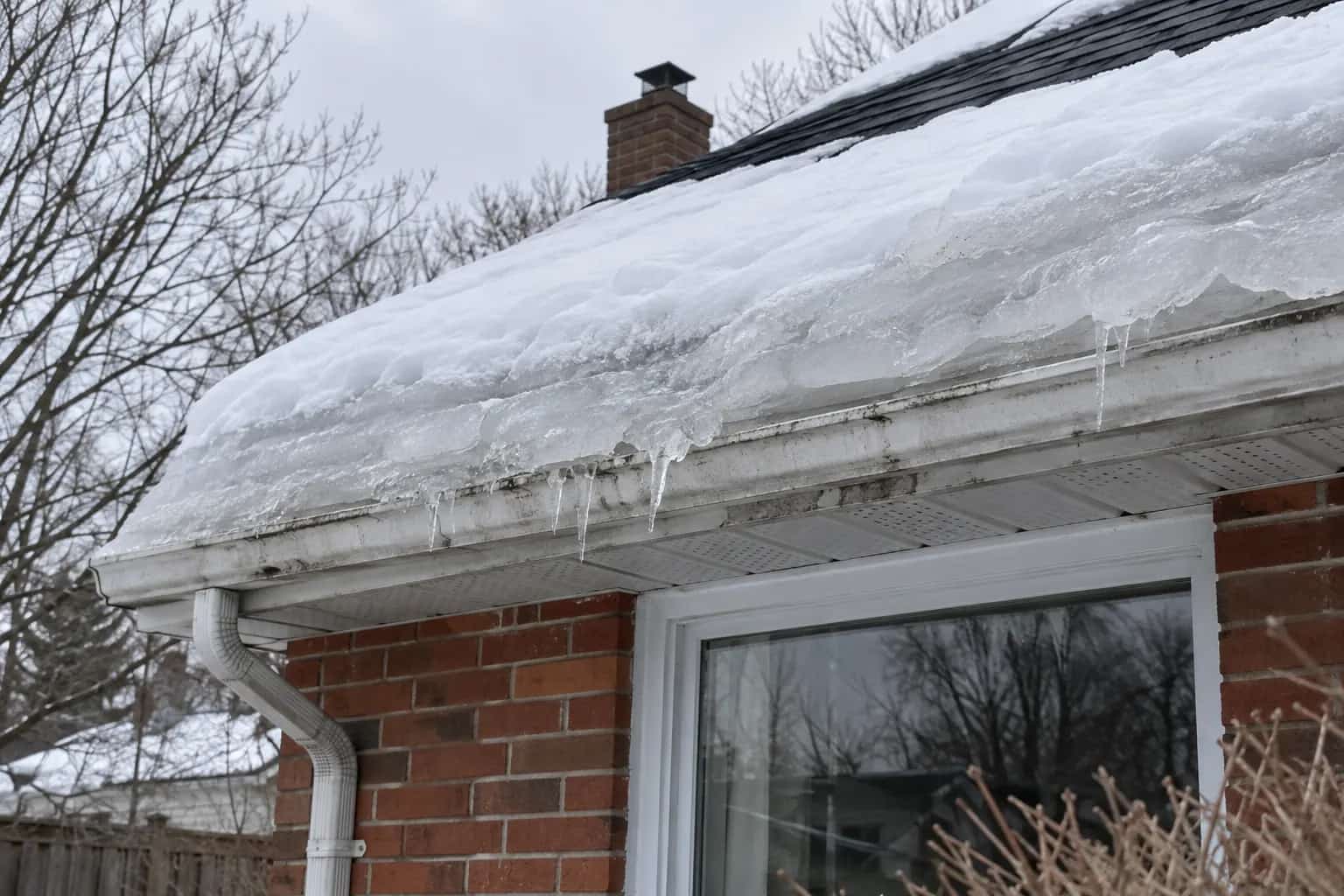
Pat spotted the ice around the meter before Dave finished looking at the gutter. The roof investigation stopped there. An iced-over gas meter belongs with the utility; do not break or melt the ice yourself. If you smell or hear escaping gas, leave immediately. Working out which gutter seam started it can wait until people and equipment are safe.
For Enbridge Gas customers in Ontario, the current emergency FAQ says to call 911 first if you hear or smell gas escaping, then call Enbridge's emergency line at 1-866-763-5427. Make calls from a safe location. Do not operate switches, appliances or a vehicle near a suspected leak, and do not attempt a repair. Customers of another utility should use its emergency instructions and number.
Meter Ice and a Blocked Vent Are Different Hazards
A gas meter and regulator control the gas supply. An appliance exhaust terminal carries combustion products outdoors. Snow or ice can interfere with either, but the response and repair are not interchangeable.
Enbridge's Ontario winter guidance warns that blocked fuel-burning appliance exhausts can allow carbon monoxide to build up indoors. These terminals may be low on a wall, where drifting snow or a shovel pile can cover them even when the roof looks clear.
If a carbon monoxide alarm sounds or occupants may be experiencing CO poisoning, leave for fresh air and call 911 from safety. Do not re-enter until a qualified professional says it is safe. A CO alarm does not substitute for recognizing a gas leak; Enbridge's gas-leak guidance explains that a CO alarm does not detect natural gas.
Match the Hazard to the Response
Emergency action takes priority over diagnosing the roof.
Gas smell or escaping gas
Leave immediately. From safety, call 911, then Enbridge Ontario at 1-866-763-5427.
Meter encased in ice
Call the utility; do not chip, strike or melt the ice.
Snow at appliance vents
Keep access safe; address blockage and involve a qualified heating contractor as needed.
Roof ice above equipment
Keep people clear and coordinate the utility with qualified roof help.
Loose Snow Is Not Bonded Ice
Where access is safe and there is no overhead falling-ice hazard, Enbridge describes gently brushing loose snow away with a broom or car brush. Do not kick the equipment or use sharp tools. Keep snowblowers and shovel piles away from meters and vent openings.
For a meter encased in ice, Enbridge's Ontario FAQ specifically directs customers to call 1-866-763-5427 and says not to melt or break it themselves. A kettle, hammer or heat gun is not the next step.
Dave stepped back to get the overhead ice into the description for the utility. Nobody needed a closer photo from underneath it. Tell the utility about both the encased equipment and the falling-ice hazard, and keep clear. This is one of those visits where doing less with your hands is the competent decision.
Stop the Next Round of Icing
When it was appropriate to resume planning, we separated the responsibilities. The utility assesses its meter; a qualified heating contractor assesses appliance terminals and their arrangement. Our roof and eavestrough investigation concerns the source above, whether a seam, overflow, recurring meltwater or sliding snow. None of those roof findings authorises us to alter gas equipment.
Do not build a box around the meter or redirect a vent as an improvised shield. Any protective arrangement must be accepted by the responsible utility or appliance professional and preserve access and function.
A useful permanent plan shows both the water route and the equipment below it. If a gutter repair merely shifts the drip onto the neighbouring vent, the job is not finished. Our entrance icicle guide discusses overhead access hazards; gas equipment adds a separate utility and combustion-safety responsibility.