
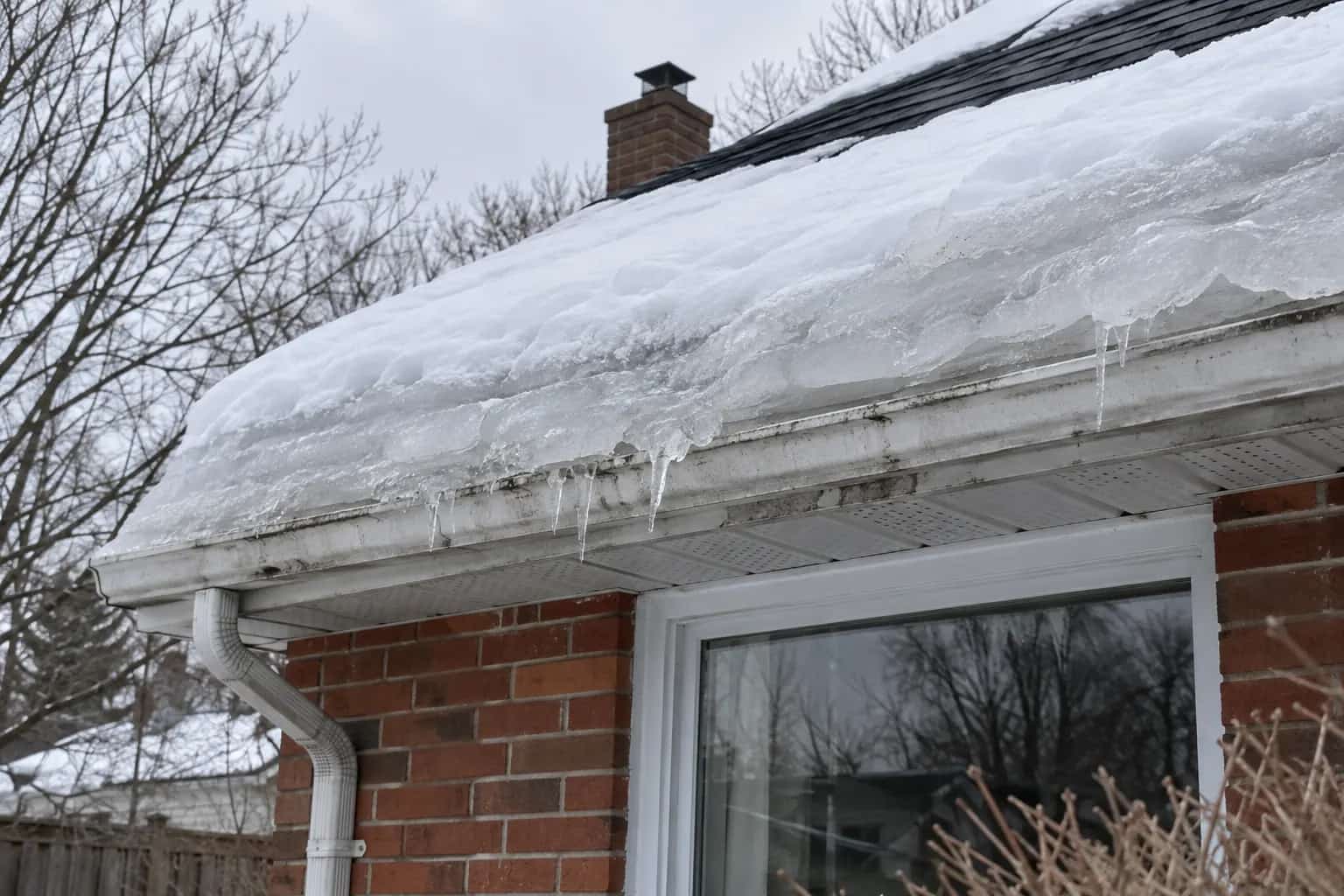
The owner has a bag of driveway de-icer ready beside the garage. Pat asks for the product name before discussing the roof; Mike asks where the meltwater will end up. A product that works on paving is not automatically suitable for the roof, its metalwork or the areas downstream. "Ice melt" identifies a purpose, not compatibility with everything it touches.
For an active ice problem, arrange professional assessment. Do not climb up, throw bags onto the roof or stand below an eave to place a product. The immediate falling-ice and access risks remain even if a chemical is compatible.
Why manufacturer answers can differ
Roofing guidance is not perfectly uniform. IKO's contractor FAQ says salt and ice-melting granules generally do not affect its asphalt shingles, while noting residue and downstream effects. Its ice-dam removal article cautions against some chemical mixtures and potential warranty implications.
Dave reads both manufacturer statements rather than choosing whichever one makes the fastest answer. Their difference is a good reason to ask about the exact product and roof instead of repeating "salt always destroys shingles" or "all salt is fine." Obtain current written advice for the installed materials and the proposed treatment.
The same reasoning applies to a metal or membrane roof. Approval for asphalt shingles does not establish compatibility with another surface, its coatings or its sealants.
Melting the edge leaves the mechanism in place
Removing some ice does not correct heat loss or restore a blocked drainage route. Chemical choices also have separate compatibility consequences for the roof and metalwork.
Schematic view. Shows relationships, not installation dimensions.
The runoff does not stop at the shingle
The compatibility question should travel with the meltwater. A manufacturer's answer about an asphalt shingle does not answer what happens at a coated gutter, a metal fitting, a rain barrel or planting beside the outlet. This is why the exact product and discharge route belong in the decision. "Safe for roofs" on its own leaves too much unspecified.
A treatment may pass through gutters and downspouts, then discharge onto paving, soil or plants. The concentration and repeated use can matter to those materials and receiving areas.
Mike follows the outlet on the property plan and finds a rainwater barrel and planting bed that were missing from the initial conversation. Tell the contractor where each outlet drains. Mention a rainwater collection system, sensitive planting or a walkway beneath the affected eave. The removal plan should account for the route of both water and ice.
Do not assume that making a channel through one patch clears the entire drainage route. A frozen downspout can remain a restriction farther along. Our frozen-downspout guide explains the observations that help locate this problem safely.
Temporary relief has a different job from prevention
Removing or melting an obstruction can be part of an urgent response. It does not correct a roof detail that leaks, a damaged gutter or heat escaping into the roof space.
If the same edge freezes repeatedly, record when and where it happens. The recurring pattern can guide investigation of roof shape, drainage and, where relevant, attic air leakage, insulation and ventilation. Pat adds the repeat location to the inspection notes. Buying the same bag every winter is a routine, but it is not yet an explanation of the problem.
Keep the exact product name and any treatment records in the roof file. If a residue or later damage appears, those details help the manufacturer assess the situation.
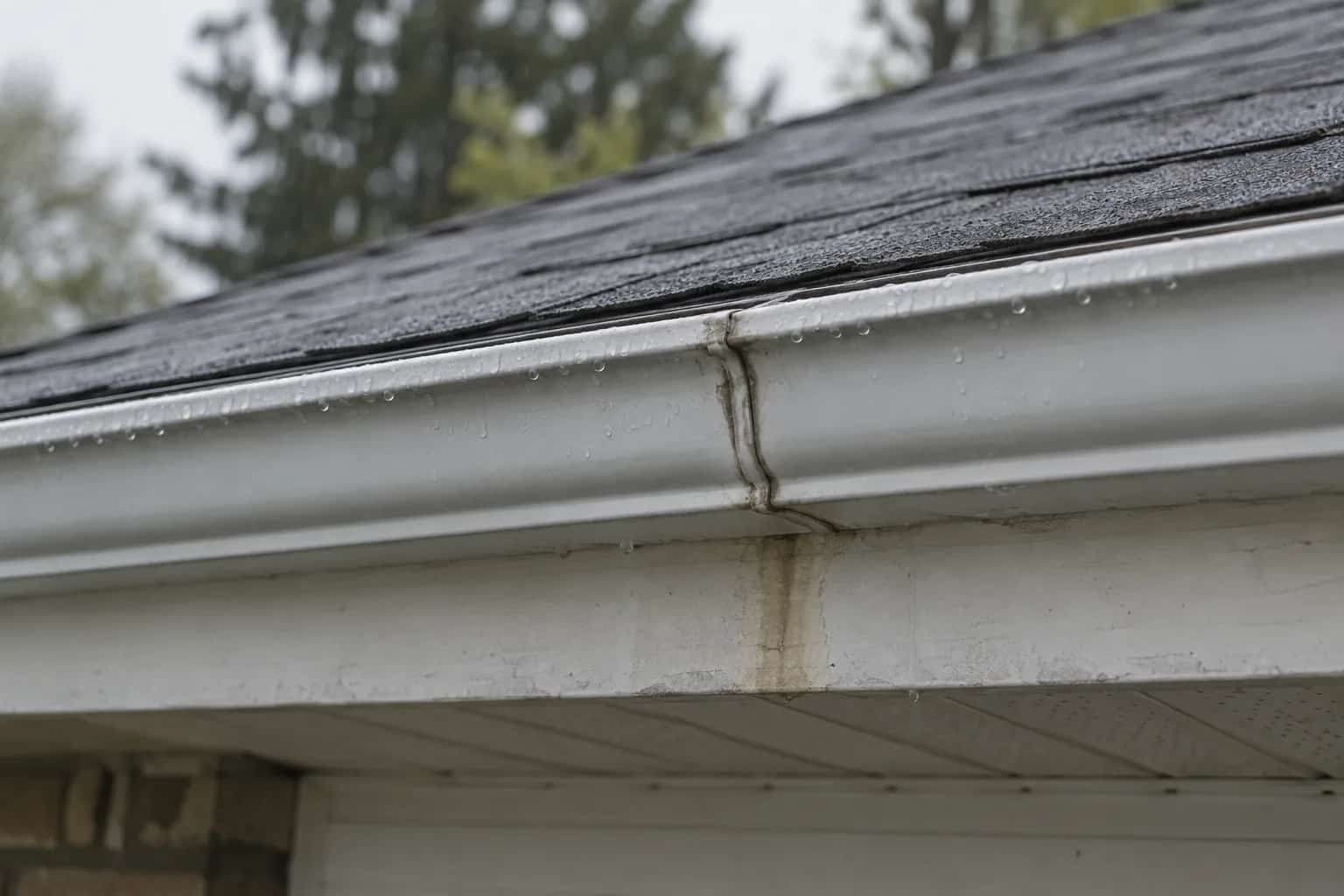
Choose the response before the product
Begin by deciding whether people are at risk, water is entering or a structural concern is present. Keep clear of hazardous areas and arrange the appropriate urgent help.
For longer-term options, read why ice dams form and what heating cables can address. Each option should answer a defined problem. The easiest product to buy locally is not necessarily the right first step.