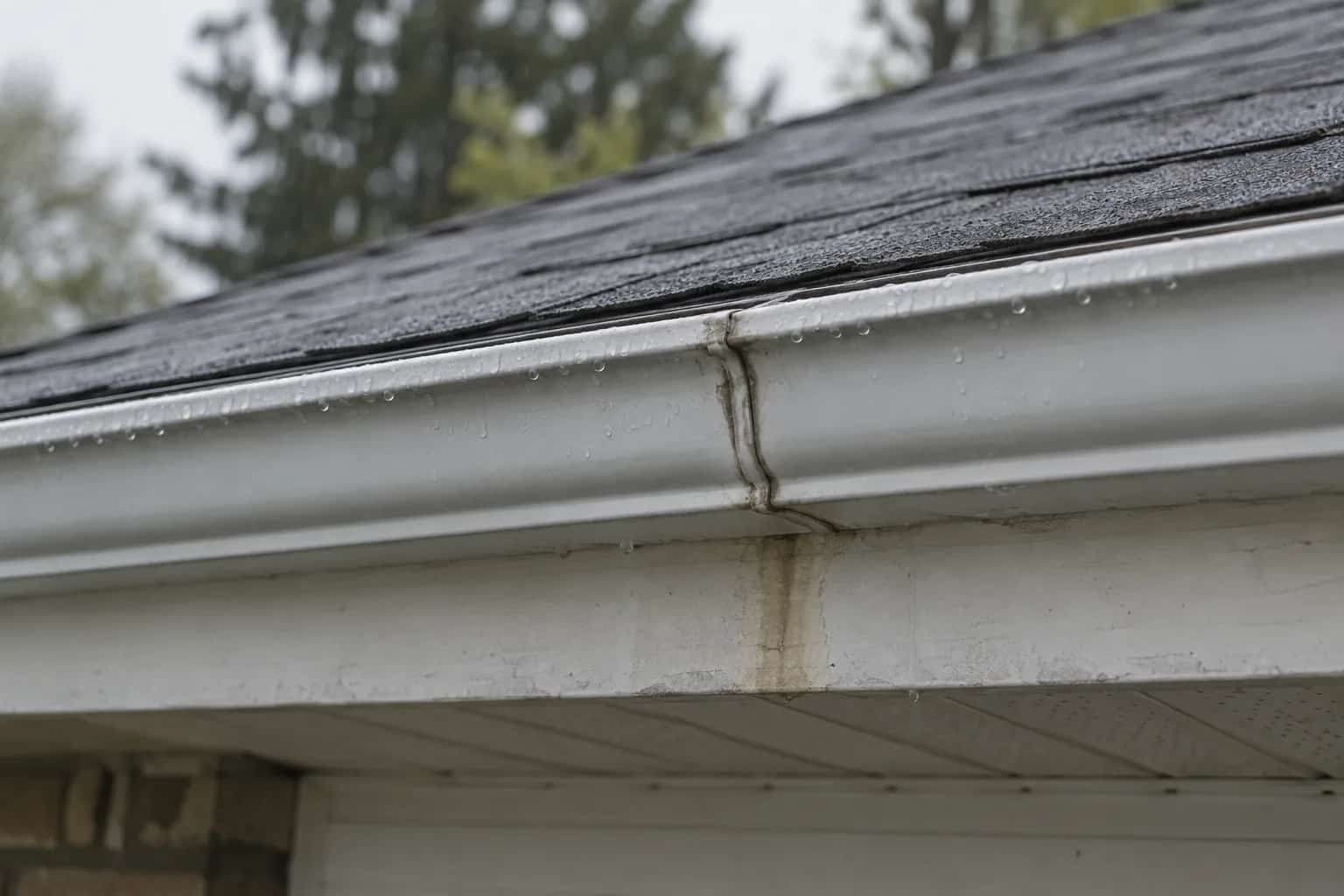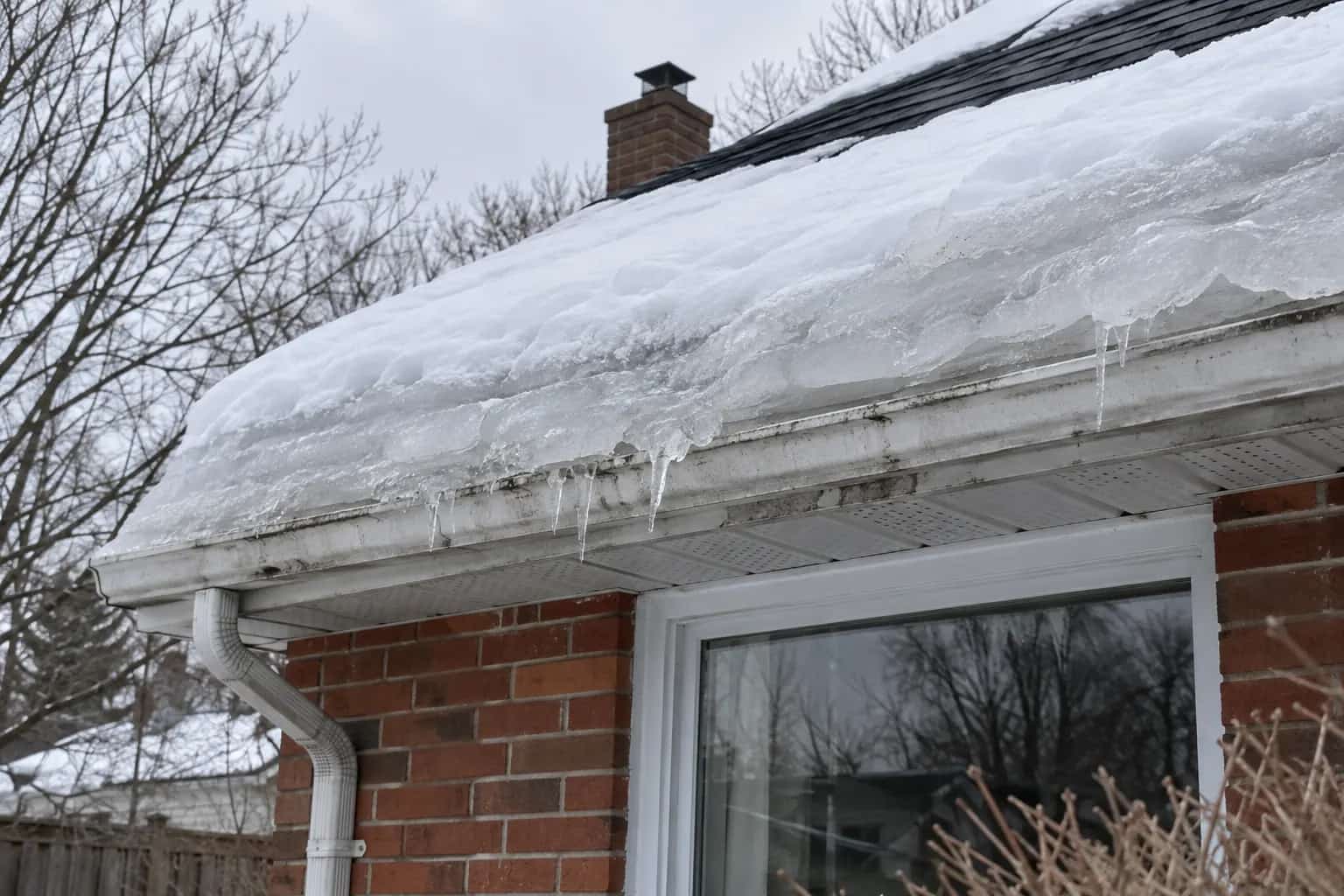
The proposed heating cable follows the eave neatly and stops before the downspout. Dave follows the water with his pencil and stops at the same place. "Where does it go from here?" Roof heating cable can help maintain a meltwater route, but the plan needs the complete drainage path. It cannot strengthen the roof, repair flashing or remove every accumulation of snow.
Start with photographs of the recurring ice and a sketch of where water should leave. Then have the roofing and electrical details considered together.
Find the restriction
Pat extends the sketch from roof to gutter, downspout and discharge. The owner had focused on the icicles at the edge; the receiving route had barely featured. A clear strip on the shingles is of limited help if the water reaches a frozen outlet next. A useful layout follows the problem all the way through, which may mean correcting drainage or damaged components before adding any cable.
A blocked or poorly arranged drainage system should be assessed before equipment is added. So should damaged flashing or other details that leak even when drainage is open.
Natural Resources Canada describes heating cables as a limited response to ice dams and emphasises addressing heat entering the attic. Where air leakage or insulation deficiencies contribute, those deserve their own repair plan.
The cable, attachments and controls belong together
Roof and gutter systems differ from indoor pipe-heating products. Select equipment approved for the intended use and follow its actual instructions. Do not improvise a layout from a photograph.
The RAYCHEM WinterGard Wet guide requires the installation instructions included with its accessory kits. Its roof and gutter specification illustrates the need to document circuits, layout and components.
Ask how the selected attachments suit the roof covering and how the cable route avoids damaging roofing, gutters or other equipment. Manufacturer compatibility is especially important around membranes and metal systems.
A drainage channel does not remove the heat source
Heat cable may help maintain a meltwater route in a suitable installation. Air sealing and insulation address house heat reaching the roof, a separate part of this mechanism.
Schematic view. Shows relationships, not installation dimensions.
Electrical work needs qualified planning
When hiring electrical work in Ontario, use a Licensed Electrical Contractor. Ask for the ECRA/ESA licence number and verify it with ESA's contractor lookup. The contractor should address the supply, required protection, controls, approvals and any inspection or notification obligations that apply.
The owner points out the convenient outdoor receptacle. Mike leaves its suitability to the electrical contractor. Convenient is a good location description; it is not an electrical assessment. Nor should an extension cord become the permanent design. Do not connect damaged cable or attempt to bypass a protective device that trips.
The handover should explain the operating indication and the response to a fault. The answer should be clear enough for the person caring for the house during a winter absence.
Budget for use and upkeep
Request the intended operating strategy and electrical demand so running cost can be considered. Dave asks for the actual demand and operating plan instead of repeating a monthly figure from another roof. No universal cost fits every layout and winter.
Keep the system manuals and arrange the specified checks before the season. Roof repairs, gutter cleaning or other work may disturb a cable or its attachments, so tell later contractors it is present.
A successful proposal explains the problem, the full water route and the maintenance responsibility. If the main issue is a frozen downspout, solve that identified route rather than decorate the whole roof edge with equipment.