
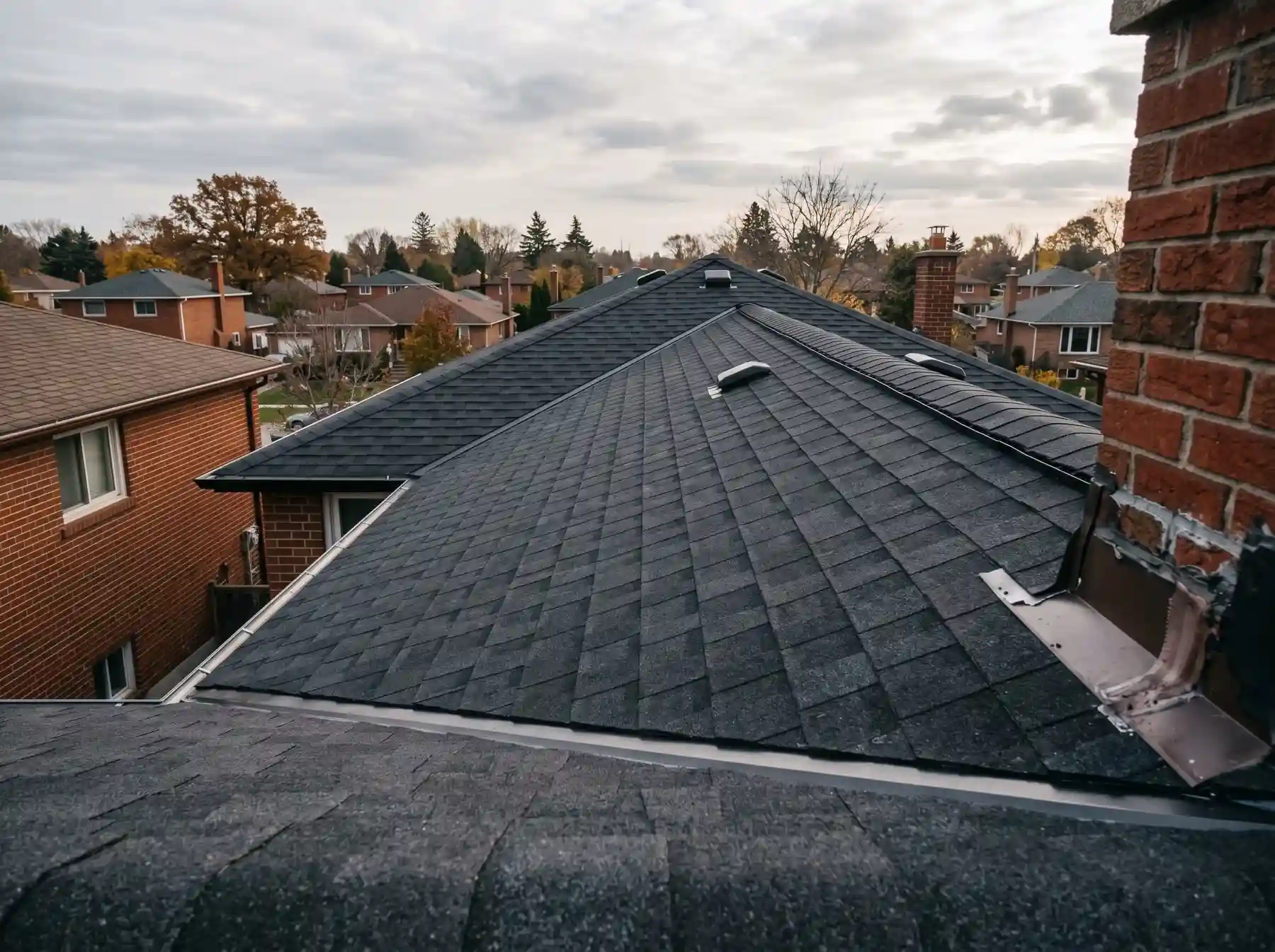
By supper, the neighbour's roof was finished. By supper at your house, the crew is still dealing with a complicated wall junction. Dave has heard the comparison before. Roof area, access, hidden repairs and difficult details determine the work; the neighbour's finishing time does not. Ask for a sequence you can plan around.
Ask the contractor to explain the sequence and the main uncertainties. "Two working days, with a separate gutter visit" is much more useful than "done quickly."
Area Is Only the Starting Point
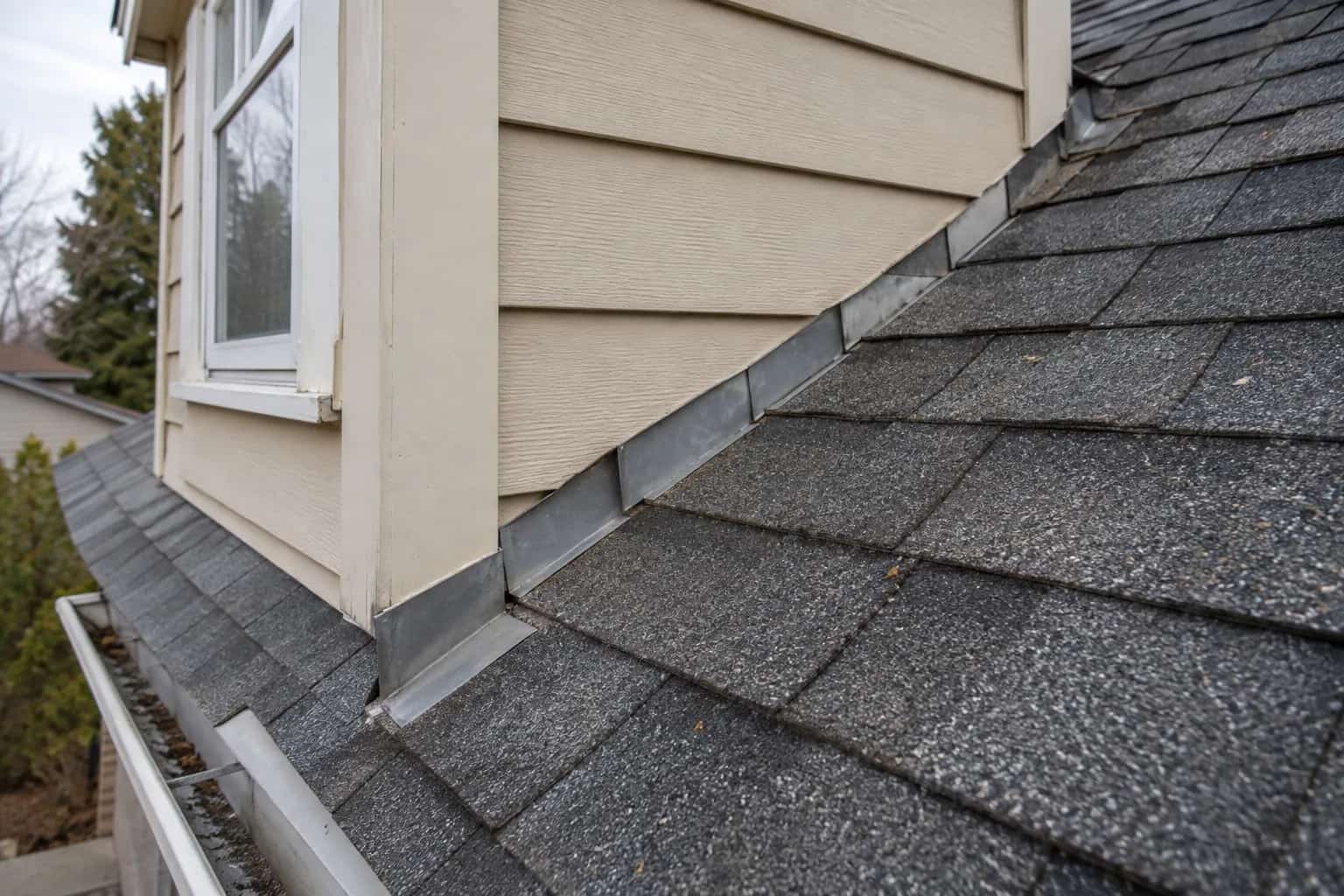
Long open slopes are usually more repetitive than short planes interrupted by walls, skylights and valleys. Each interruption needs measuring, cutting and a water-shedding detail. Rushing those details to meet an arbitrary one-day target is not a benefit to the homeowner.
Access matters too. Materials carried through a narrow passage and debris moved away from a protected garden create a different operation from a wide driveway beside an uncomplicated roof. Steepness and height affect how the contractor organizes safe access.
Ask which of these features the estimator allowed for. They should already have a view of the house, rather than discover its side yard on installation morning.
The homeowner has booked a birthday gathering for the proposed finish day. Mike moves the scheduling conversation forward a week: where will the bin stand, what happens if rain interrupts, and which visits are separate? The party is a perfectly reasonable concern. It is a poor weather forecast.
Removal Can Reveal More Work
Multiple existing layers increase removal and disposal work. Damaged deck areas, unsuitable sheathing or previously hidden flashing conditions can add decisions after tear-off.
Agree a change-order process and remain reachable. A small repair can consume more calendar time waiting for authorization or a material delivery than doing the physical work.
The estimate should distinguish known work from contingencies. "We cannot see the whole deck yet" is a reasonable limitation. It should still come with an explanation of how discoveries are handled.
What the Project Calendar Contains
Visible shingling is only one part of the replacement schedule.
Setup and removal
Protect the property, arrange access and remove the old covering.
Deck and details
Inspect the substrate and complete repairs and flashing.
New covering
Install the specified system under suitable conditions.
Closeout
Inspect, clean, remove the bin and deliver the project records.
What Is Taking the Extra Time?
A delay can be reasonable without being mysterious. "Someone will be back sometime" gives the household nothing to plan around. The supervisor should be able to explain the discovery, the agreed next step and the protection in place.
Those updates also let you move other appointments while there is still time. Ask for the next decision or visit that depends on the roof being ready, rather than relying on a finish date nobody has revisited.
If a firm household event makes delay difficult, build that into scheduling before work starts. A roof deadline created by a birthday party will not make wet conditions or hidden damage disappear.
Count Working Days and Calendar Days Separately
Weather can interrupt a sequence without adding the same number of labour days. IKO's scheduling guide identifies weather, material availability and coordination as planning factors.
Ask how the roof is protected between visits, who gives updates and whether another trade has a fixed appointment. A delay in the roofing should trigger communication to the gutter installer or skylight finisher rather than an avoidable empty visit.
An update says the rear deck repair is approved and the roof protected, with flashing still to finish. That is useful information. Pat would rather explain the remaining junction than assemble a crowd in the driveway to look busy. Ask what is complete, what remains and how the house is protected.
Include the Work After the Last Shingle
Cleanup, magnetic sweeping, gutter debris removal, final photographs and the walkthrough are part of finishing. The bin may be collected later than the roofing crew leaves, so get that timing separately if driveway access matters.
Do not treat a larger crew as an automatic guarantee of a better or faster job. Ask who supervises the installation and checks the details. More people also need room to work safely.
Plan around the expected working sequence and a weather contingency, including whether to stay home. A credible two-day plan is worth more than a one-day promise that skips the junctions and cleanup.