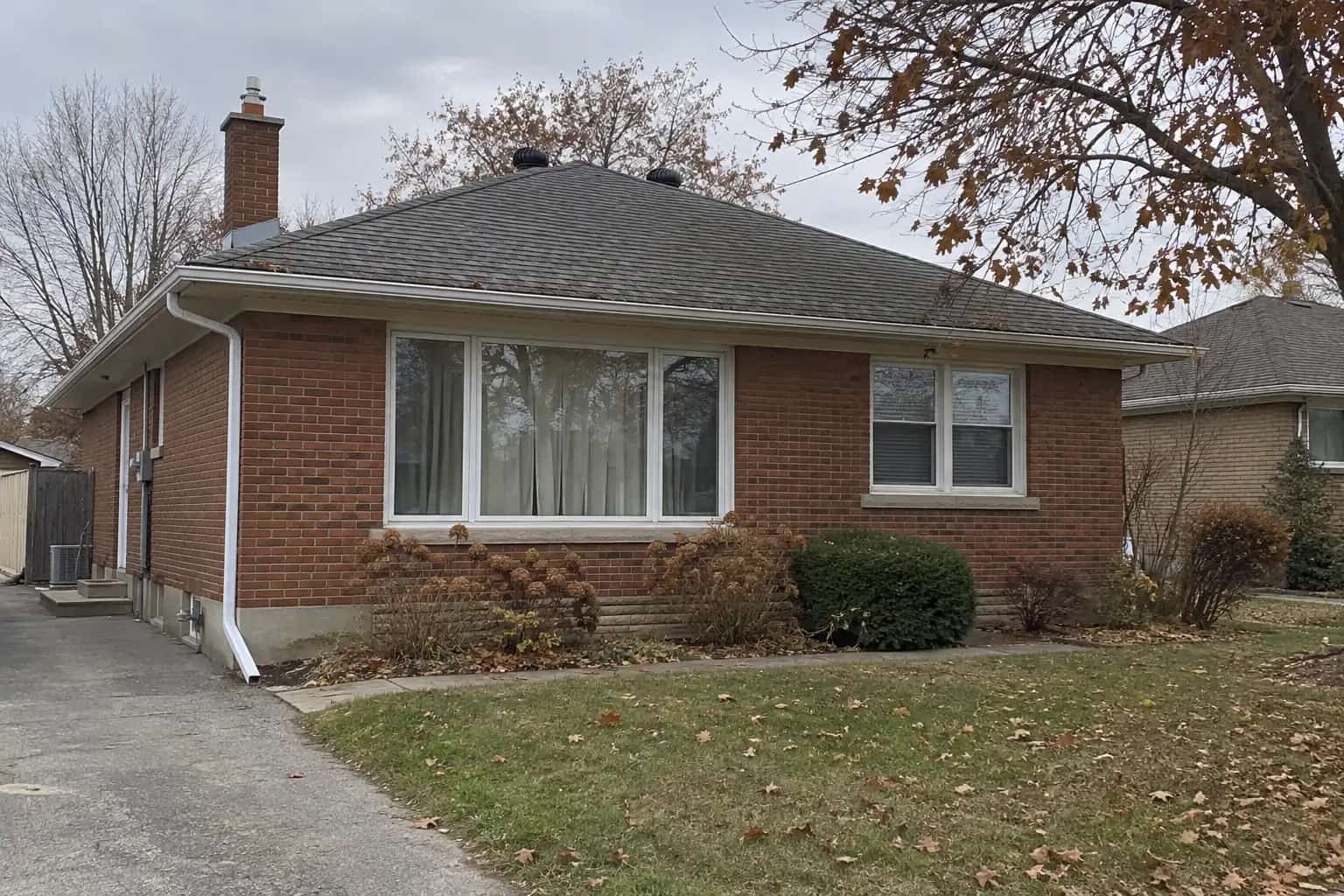
The roof is due, and Jordan hopes new shingles will make the upstairs bedroom comfortable. Mike asks which part of the proposed work would change that room. There is a pause. The roof may need replacement, but comfort deserves its own diagnosis rather than a complimentary promise attached to the shingle quote.
The upstairs bedroom is uncomfortable, the roof is due for replacement, and the obvious hope is that new shingles will fix both. They may leave the comfort problem untouched. An energy evaluation can identify attic work worth coordinating before the roof scope is final. Air leaks, insulation and exhaust routes deserve their own explanation and repair.
The value is in sequencing. A roofer, insulation contractor and energy adviser may each see a different part of the same house. Sharing the findings helps prevent one improvement from obstructing another.
Ask for a Whole-Home View
NRCan describes EnerGuide home evaluations as a way to identify energy-efficiency improvements. Ask the service provider what the assessment includes, what access is needed and what reports you will receive.
Tell the adviser about the planned roof work, ice at the eaves, rooms that overheat, condensation and known leaks. Include previous insulation work and any inaccessible spaces. A cathedral ceiling or low-slope addition may require a different approach from an open attic.
The energy report is not a substitute for assessing an active roof leak or a structural defect. Those problems need the relevant building expertise, even if they also affect comfort or energy use.
Spend on the Part That Explains the Symptom
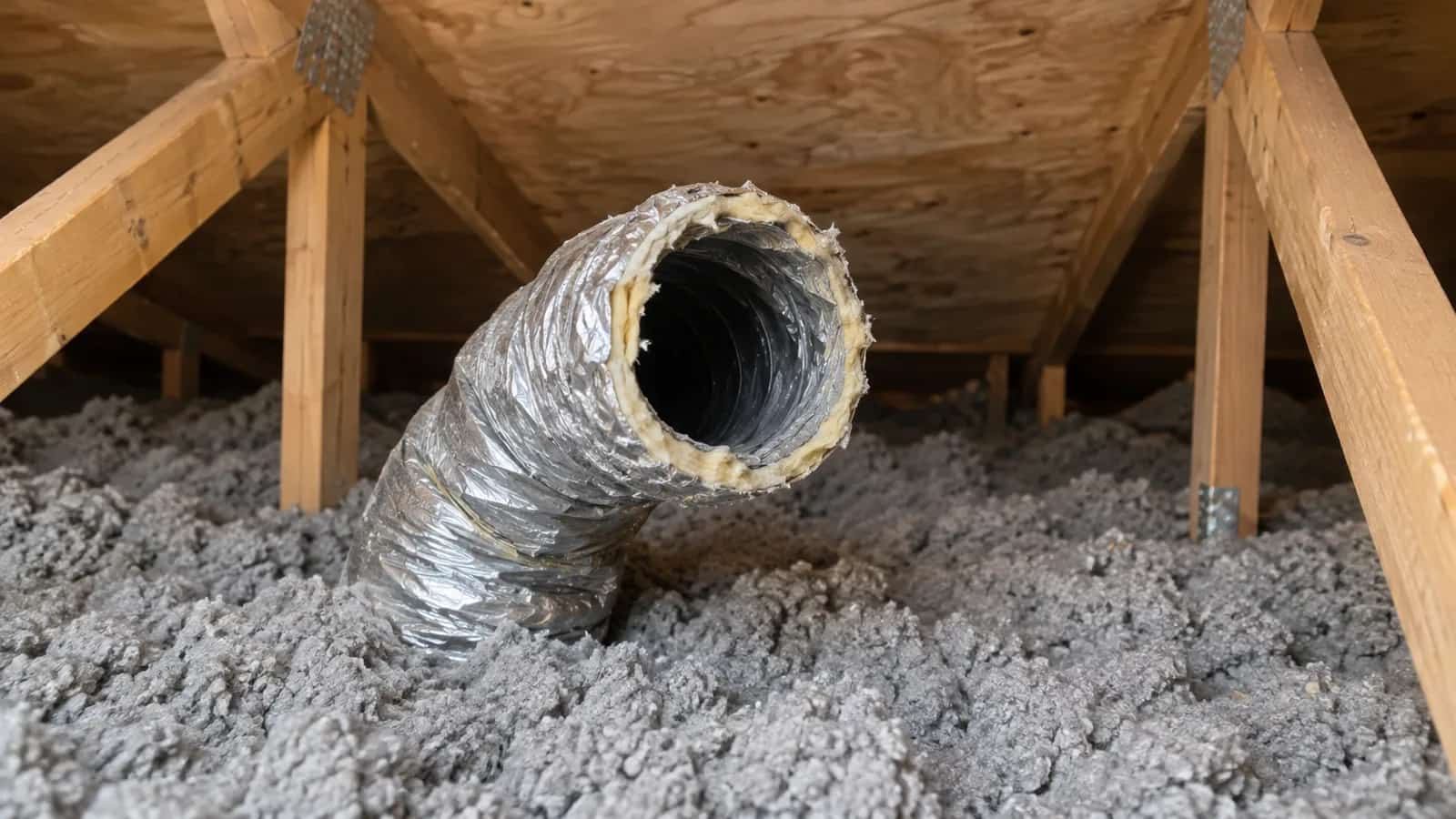
A poorly sealed attic hatch calls for a different task from a failing roof covering. An exhaust duct ending in the attic needs a suitable exterior route, not simply another roof vent nearby. These distinctions prevent a broad "roof ventilation upgrade" from being credited with work it does not actually include.
For every recommendation, Jordan asks what was observed and which correction addresses it. Pat marks the overlap between trades: an exterior outlet may be easiest to coordinate during reroofing, while ceiling air sealing may be primarily inside work. Nobody needs to promise everything. Everyone needs to know which part they own.
Pat puts the hatch, exhaust duct and roof covering on three separate lines. Each needs an identified condition, correction and owner. "Ventilation by others" earns another question: which others? Jordan has enough people visiting the house without adding an imaginary contractor to the schedule.
Resolve Moisture Before Adding More Material
Ask the contractors to identify water entry, unsuitable exhaust routes and wet or damaged insulation before new insulation is added. More material over an unresolved problem can make inspection and repair harder later.
NRCan's roof-and-attic guidance covers air sealing, insulation and ventilation as related parts of the work. The goal is an appropriate assembly for the house, not simply the largest number of vents or the deepest pile of insulation.
Have the final scopes name who supplies and installs each part. "Ventilation by others" needs an actual other party and a date. Keep photographs of concealed improvements before they are covered.
Do not assume an evaluation automatically qualifies the roof for a grant, rebate or loan. Programs and eligibility change, and some require steps before work starts. Verify current official rules for any program you intend to use before spending on that basis.
Compare completion with the specific agreed corrections, including any planned follow-up evaluation. A warmer room is welcome, but the documented work tells you whether the hatch, duct or insulation was actually addressed.
Dave checks the handover before dates are booked. An outlet detail may need coordination while the roof is open; another task belongs inside the attic. Jordan now has a sequence of defined improvements instead of three trades each assuming the next person will finish the awkward bit.
Match the Symptom to the Work
Coordinate moisture correction, air sealing and insulation before access or details change.
Leaking hatch
Address the appropriate ceiling air-sealing and insulation detail.
Open exhaust duct
Provide a suitable exterior route for the connected fan.
Roof-covering failure
Repair the roofing defect; attic work does not stop that entry.
Shared access
Coordinate overlapping tasks before a new covering hides their details.