
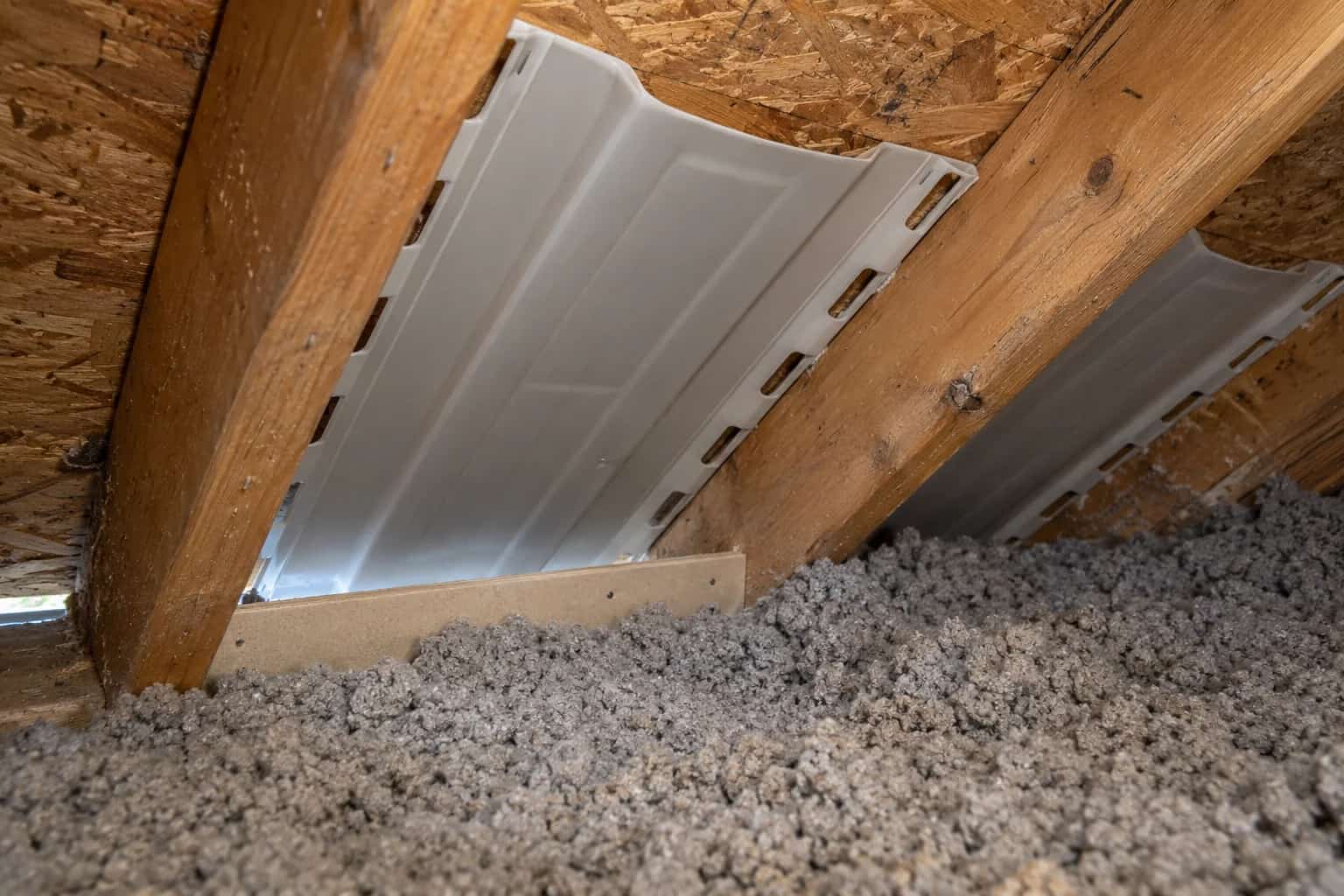
Yes, Ontario's Home Renovation Savings program has an attic-insulation route that does not require a home energy assessment. It does require an eligible home, a participating insulation contractor and the right sequence before work starts. Buying insulation first and sorting out the application afterward can leave you with a perfectly real invoice and no rebate.
There is also an assessment-based route for a broader retrofit. Choose between them before signing the insulation scope. They have different rules and rebate schedules, even though they live on the same program website.
At the kitchen table, Jan has circled "$1,250" on the rebate page and subtracted it from the insulation quote. Mike turns the page back toward her. "Before we spend that money, which route are we using?" The answer is less exciting than the circle, but considerably more useful: the maximum is a ceiling, and the route has conditions.
If the attic is your only planned upgrade
Start with the standalone attic program. At our October 2026 check, its attic maximums were $1,250, $1,000 or $800, depending on the starting insulation level. Each attic tier requires reaching R-50. Those are ceilings: the rebate is 50% of eligible after-tax insulation cost, up to the applicable maximum.
Mike uses an eligible $1,400 after-tax bill as a calculation example for Jan: that gives a $700 rebate, even in a tier advertising a higher maximum. It is arithmetic, not a quote for her attic. Flat-roof and cathedral-ceiling areas have separate tiers, so the contractor needs to identify every roof-assembly area rather than assume the easily reached attic is the whole application.
Check the heating and housing eligibility before booking: the standalone stream covers qualifying Enbridge-gas homes or qualifying homes connected to Ontario's electricity grid, with exclusions such as stacked townhomes and recently occupied new builds. The live eligibility document gives the full conditions.
The standalone route requires insulating 100% of the roof-assembly area. An inaccessible addition or finished sloping ceiling therefore matters to eligibility. So does the starting insulation: it is assessed during the contractor's initial visit, before new material hides it.
Two routes, different starting points
Compare the project scope before comparing the maximum payment.
Attic-only route
Pre-register and arrange the participating contractor's visit before installation; no home energy assessment required.
Assessed retrofit
Start with the pre-retrofit assessment and plan at least two qualifying upgrades; use that stream's separate schedule.
Both routes
Confirm live eligibility, deadlines and the eligible work. A headline maximum is not a guaranteed payment.
Two dates belong beside the estimate
The January 2026 eligibility document specifies installation by November 30, 2026, with the contractor entering the completed installation and documentation by December 31, 2026. It also excludes work completed before the participating contractor's in-home visit.
Confirm the live terms when booking; funding, eligibility and deadlines can change. A contractor's availability and the program's deadline are separate constraints. The paperwork should identify who submits the application and what happens if the installation cannot be completed in time.
Jan crosses out her first calculation. Dave leaves the calculator beside the deadline notes: installation timing and submission timing both need to fit the plan. The pleasant number at the top of the program page cannot fix either missed step.
When an assessment makes more sense
If insulation is one part of a larger project, compare the assessed route before committing. The program FAQ describes a pre-retrofit assessment, at least two qualifying upgrades and a post-retrofit assessment through the same service organization. Its rebate amounts should not be copied onto a standalone attic quote.
A useful distinction: attic and cathedral/flat-roof insulation together count as one upgrade in that route. Two roof areas do not automatically satisfy the two-upgrade requirement. Our home energy audit guide explains what the assessment itself can reveal when several comfort problems overlap.

Choose the work before choosing the headline number
Compare two written scopes for the same house: the attic-only route and, if relevant, the broader assessed project. Include assessment costs, required additional work and the expected rebate after caps. Spending more to qualify for a larger headline payment is not automatically a saving.
Keep the existing-insulation assessment, signed terms and invoices. A reputable installer should also explain what must be corrected before topping up: moisture, blocked intake or suspect material cannot be made irrelevant by a rebate. If old granular insulation may be vermiculite, read the stop-before-disturbing guide first. The incentive should help fund the right job, not hurry a problem under a new layer.
Then Jan mentions the little cathedral-ceiling addition. It had not made it onto the attic sketch because nobody calls it "the attic." Pat adds it to the drawing anyway. Before anyone books the work, the contractor and program need to settle how that roof area fits the eligibility rules. A complete sketch beats a beautifully highlighted maximum.