
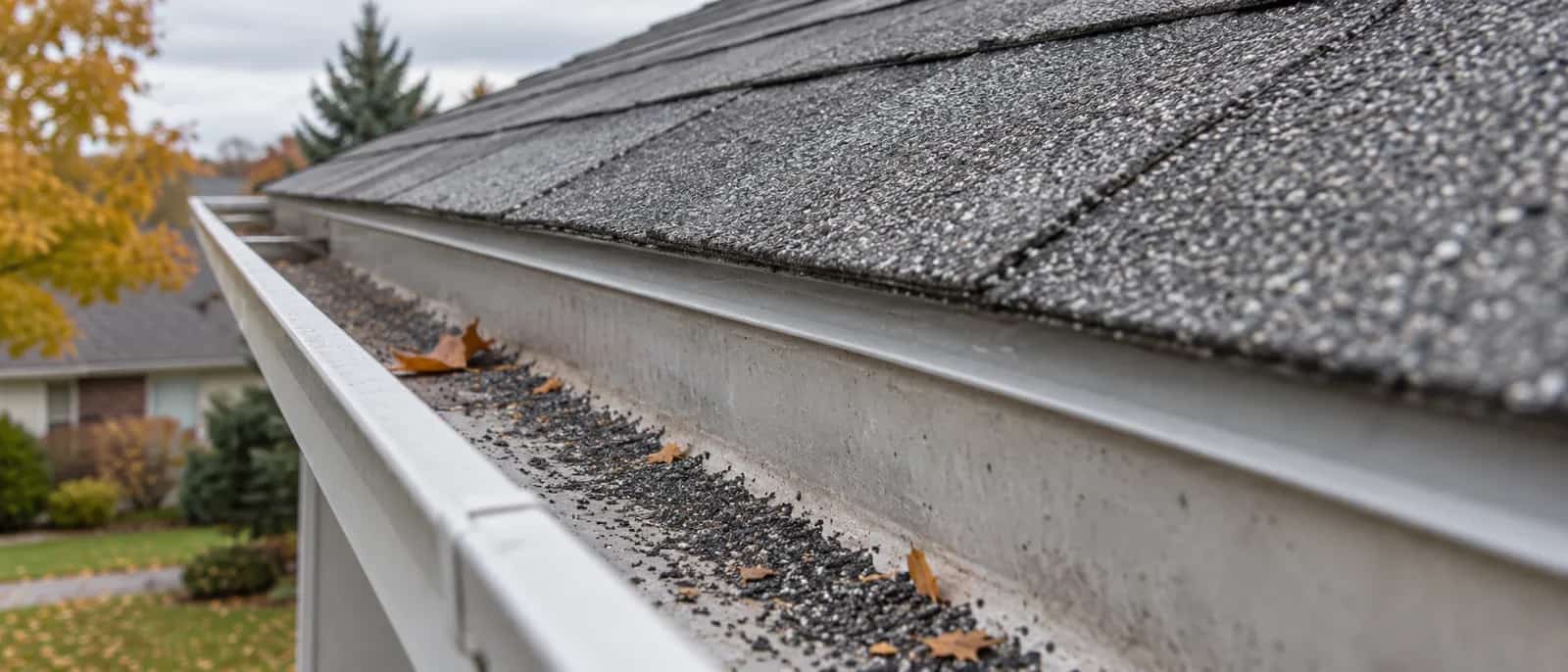
The new edge metal makes a beautifully straight line. Below it, the fascia is wet again. Dave steps back from admiring the finish. The useful test is where water from each layer goes. Neat eaves, rakes and corners still need connections that carry water out of the assembly.
Name the Edge First
The eave is the lower boundary where runoff leaves a roof slope, usually above a gutter. The rake is the sloping edge beside a gable. Their exposure and drainage roles differ, so their details should not be assumed identical.
IKO's roof-component guide describes a common arrangement with edge metal below underlayment at eaves and above it at rakes. However, product instructions can provide specific alternatives. IKO's Leading Edge Plus instructions illustrate why the selected assembly and applicable requirements need to be read together.
Mike asks which approved detail applies to these particular products. Somebody has a phone photograph showing the layers in another order; that is a reason to check the instructions, not settle the argument by voting. Explain how the selected detail directs water outward.
Follow the Drainage at Each Roof Boundary
The correct layer arrangement comes from the selected system and its edge conditions.
Eave
Runoff leaves the slope; the detail must direct it beyond the deck and into the drainage path.
Rake
The sloping side boundary needs protection against edge exposure and wind-driven water.
Corner and gutter
Transitions must continue the drainage route without sending water behind fascia.
Follow Water Through the Layers
Water reaching the secondary protection should have a route toward the exterior. It should not be directed behind the wood edge or trapped at an unintended lip. Metal joints, corners and transitions also need continuity.
The gutter was changed after the roof, the owner remembers. That belongs in the inspection: the relationship between edge, fascia and gutter back may have changed while the shingles stayed put. Follow the water through the actual meeting point, not two separate invoices.
A Leak Does Not Automatically Mean Wrong Metal
A blocked outlet can make an otherwise serviceable gutter overflow. Ice, damaged gutter joints or local roof-edge defects can also contribute. Diagnose the route before prescribing a new strip of metal.
Our water-behind-fascia guide explains what to record when the symptoms are already visible. Soft or stained fascia may need assessment, but repainting it does not identify where water entered.
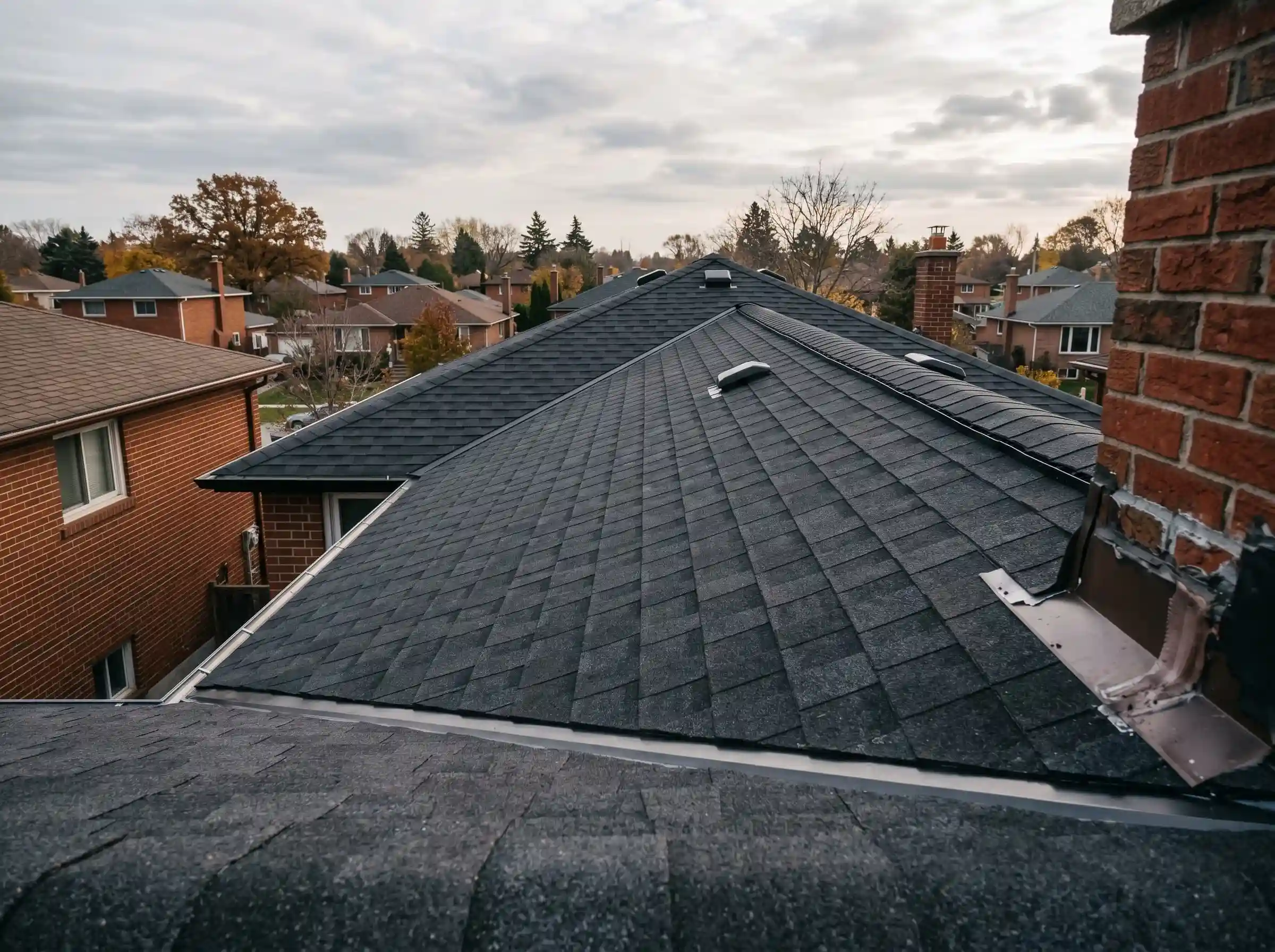
Three Rain Observations That Are Not the Same Problem
- Water spilling over the gutter front suggests a different investigation from water tracking behind it.
- Water escaping at one joint localises the first inspection; it does not prove every edge is wrong.
- A stained fascia records wetting, but cannot alone identify the route or whether it is still active.
Observe from safe ground in suitable conditions. Pat wants to know whether the water crosses the front, escapes at a joint or tracks behind. "The edge leaks" can otherwise send the roofer and gutter installer looking at different problems while both quite reasonably think they understand the call.
If the gutter has been changed since the roof, include that history. The relationship between the components may have changed even though the shingles did not.
Ask for the Detail Before It Is Hidden
A reroof proposal should address edge-metal replacement or justified reuse and the interface with existing gutters. Confirm whether gutter adjustment or fascia repair is included if needed.
Request photographs of a representative eave, rake and corner before the first shingle courses conceal the arrangement. If instructions appear to conflict, ask the installer to obtain manufacturer clarification for the specified products.
Before the next layer hides the detail, agree the full route at that shared edge. Dave will happily admire the straight line again once the water leaves where it should. Two neatly finished components can still meet badly.