
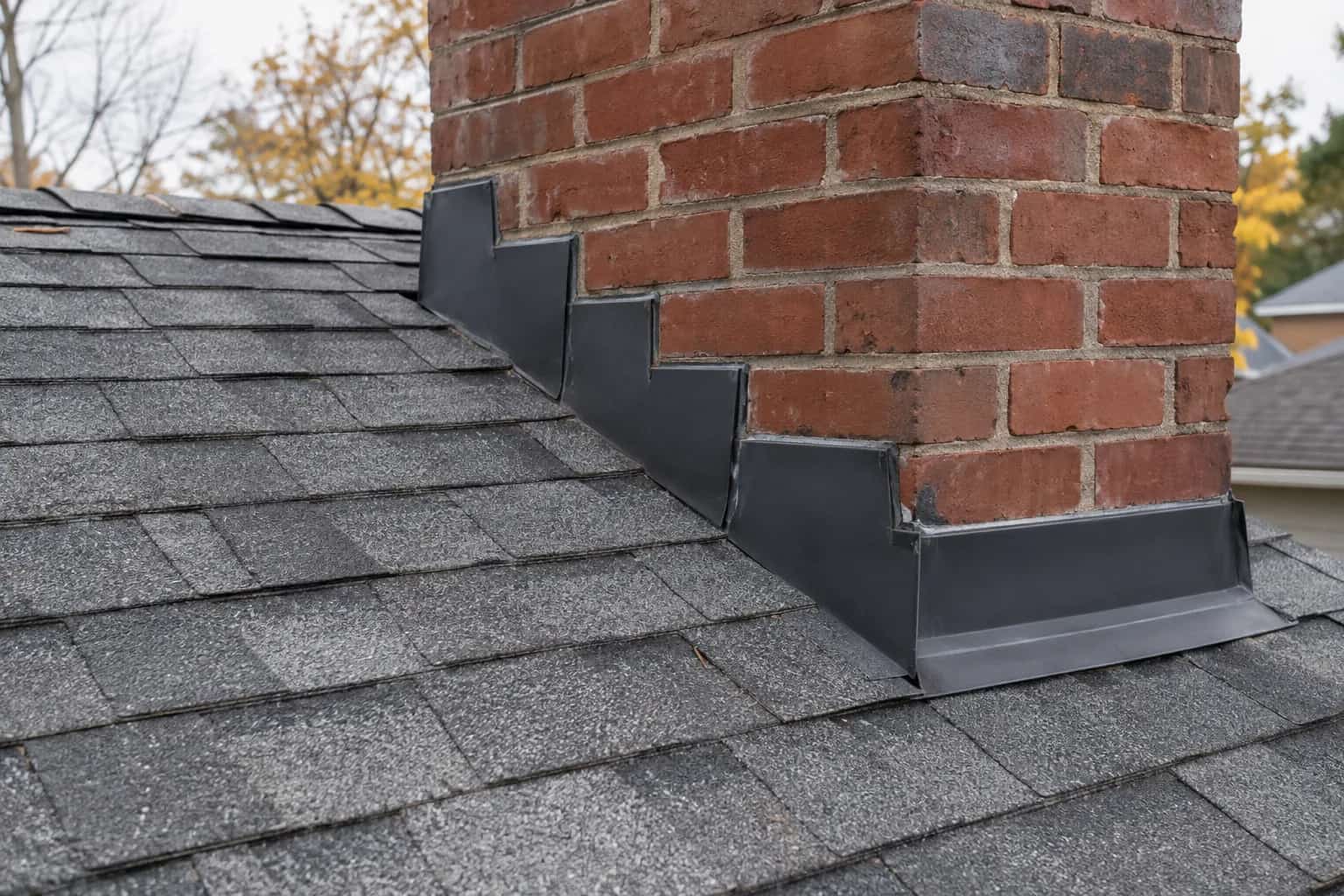
When firefighters have dealt with a chimney fire, it is natural to focus on the visible mess. The more important next question is what the incident affected inside the chimney and around the roof. Do not use the appliance again until the chimney has been evaluated and any necessary work completed by qualified professionals. Follow the fire service's directions about the building and its services.
If smoke, heat, alarms or another sign of fire returns, leave the danger area and call 911. Do not enter the attic to check whether something is still hot.
After the fire response, the owner points to an intact-looking chimney and asks whether the worst is over. Mike starts with the responders notes. The visible stack is one piece of evidence; the inside has not become visible simply because everyone is relieved.
Extinguished Does Not Mean Undamaged
The Chimney Safety Institute of America's post-fire guidance advises keeping the chimney out of use pending sweeping and evaluation. It identifies possible concealed joint, metal and structural damage. A view from the fireplace or from the roof cannot settle all of those questions.
Ask the attending fire service what was observed, which areas were opened and what further assessment it recommends. Keep the incident reference and photographs. Those records help the next specialist understand the event without expecting you to reconstruct a technical account.
The roofer should receive relevant findings, but should not be asked to certify the flue. Similarly, a chimney inspection does not automatically document every shingle, flashing and roof-deck area disturbed during the response.
Trace Three Different Work Areas
Inside the chimney: a qualified chimney professional evaluates the system and what is needed before further use. The scope should identify the appliance, chimney type and areas examined, including limits on visibility.
Where the chimney meets the building: affected framing, finishes or other concealed materials may need investigation directed by the incident findings. Fire damage and water used during suppression can create different restoration tasks. Do not assume a dry-looking ceiling establishes the condition above it.
At the weather surface: a roofer examines damage and openings affecting roof protection, including any areas disturbed to reach the fire. Temporary work may be necessary while the permanent plan is developed, provided access has been cleared.
These work areas overlap physically. Their responsibilities should be named on the plan so that closing one does not prevent inspection of another.
Dave notices that the proposed roof closure would cover an area still awaiting assessment. He calls the other trade before materials arrive. It is a useful interruption: temporary protection can proceed under the agreed access plan while the inspection remains possible.
Three Assessments After the Fire
Keep the flue, surrounding construction and weather surface on the same plan.
Chimney system
Evaluate concealed damage before returning the appliance to use.
Building interface
Investigate affected framing, finishes and suppression water.
Roof surface
Restore weather protection after access and inspection needs are settled.
Completion records
Keep findings and the conditions for return to use together.
Record the Evidence Before It Is Swept Away
CSIA's post-fire advice recommends documenting findings before cleaning, which can help an insurer review the damage. Contact your own insurer for the applicable reporting and evidence requirements; an American industry page does not establish coverage under a Canadian policy.
Do not postpone emergency hazard removal to preserve a photograph. Where work can be planned, ask the contractor to capture the condition before dismantling or cleaning and to label where each image was taken. A close-up of a damaged piece is much more useful when its place in the assembly is known.
Separate the estimate into inspection, necessary repairs, roof reinstatement and optional improvements. If upgrading an appliance is proposed, clarify which work is required to restore safe use and which is an owner choice.
Close the Roof at the Right Stage
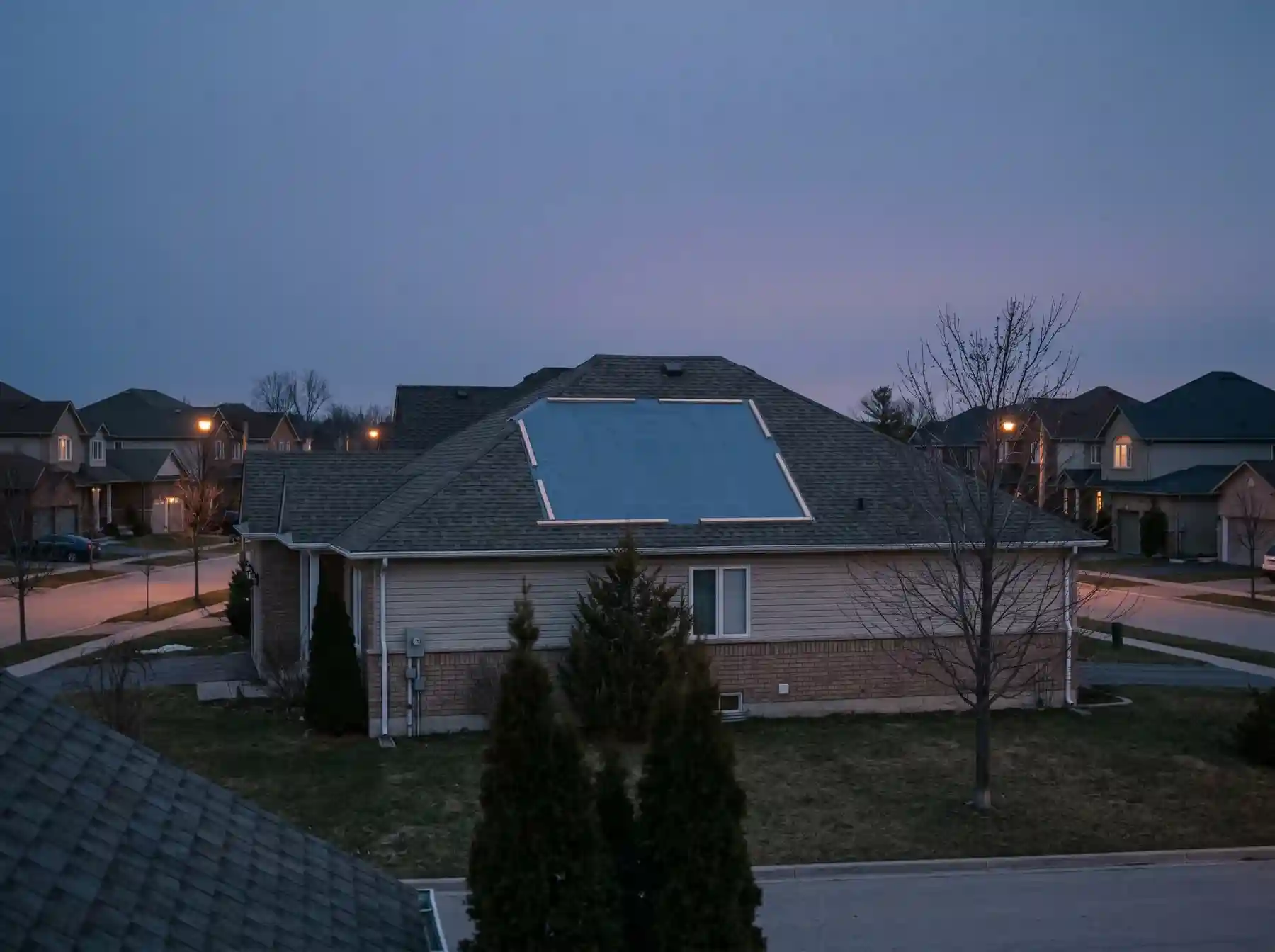
Suppose roof boards were opened beside the chimney during the response. Permanent roofing should not hide an area still awaiting a structural or fire-damage assessment. At the same time, the house needs protection from new rain. Have the parties agree on temporary covering, inspection access and the final closure sequence.
Ask who restores the flashing and whether masonry repairs will disturb it again. If a chimney rebuild is needed, coordinating that junction can avoid paying for a roof detail twice.
Keep the written inspection findings and completion records, including any required local approvals. CSIA's fire-prevention information is useful background on why ongoing inspection matters, but the return-to-use decision must concern your actual system and local requirements.
The final conversation should produce clear answers: what was damaged, what was repaired, what remains unobserved, and who confirmed the conditions for using the appliance again. A tidy roof is welcome. It is only one part of finishing the incident.
The owner finds the old stove instructions in a drawer full of takeaway menus. Pat puts the new inspection record beside them, suggesting that one folder would be a worthwhile upgrade. It is a modest ending to a serious event: the next decision about using the system starts with evidence.