
If you suspect lightning directly struck the house, call 911 and explain what happened. A small roof mark cannot show the path of hidden fire or electrical damage. Do not start with an attic inspection or a request for a shingle patch.
Smoke, a burning smell, alarms, visible fire or damaged electrical equipment make the urgency especially clear. Follow emergency-service directions about leaving the building and where to wait. Stay away from damaged wires and do not touch suspect equipment.
During the storm, stay away from the roof
The bang shakes the room and everyone reaches for a window. Stay in appropriate shelter while the storm continues; a loud nearby strike alone does not prove the roof was hit. Avoid plumbing and plugged-in electrical equipment. This is one visit where we would much rather hear the story later than receive a photograph taken outside during thunder.
Environment and Climate Change Canada's lightning advice explains that a substantial building offers shelter, while contact with conductive systems can still create risk indoors. Do not go outside for photographs while thunder continues. ECCC says to wait at least 30 minutes after the last rumble of thunder before resuming outdoor activities. That weather wait does not replace emergency clearance for a building that may have been struck.
If you need to evacuate because of fire or emergency instructions, follow the responders' advice rather than staying in an unsafe building to wait out the weather. The immediate hazard determines the action.
Safety clearance comes before roof repair
A roof inspection cannot replace emergency or electrical assessment.
Suspected direct strike
Call 911 and report the event, smoke, odour, alarms or visible damage.
Follow emergency directions
Keep clear of affected areas and do not investigate concealed spaces.
Qualified electrical review
Have damaged or suspect systems assessed before use.
Roof and moisture work
Document and repair weatherproofing after access is cleared.
Tell responders what you observed
When the call is made, plain observations are enough: time, apparent chimney impact, flash at the service, alarms, odour or equipment stopping. Mike does not need anyone to go hunting for a better description. Separate what you saw from what a neighbour reported; responders need the distinction.
Do not repeatedly reset a breaker or switch appliances on to see what still works. Do not open electrical equipment. A normal-looking light fixture or a working refrigerator is not a whole-house electrical assessment.
Once emergency services have addressed the immediate incident, ask what further electrical and building inspections they recommend. In Ontario, use a Licensed Electrical Contractor for electrical work and coordinate utility involvement where the service connection may be affected.
The roofer's part comes after access is safe
The visible hole naturally attracts attention. Pat keeps the repair conversation behind the safety decision: emergency responders address immediate danger, electrical assessment addresses affected systems and the roofer restores weather protection once access is safe. A neat patch cannot stand in for the other checks.
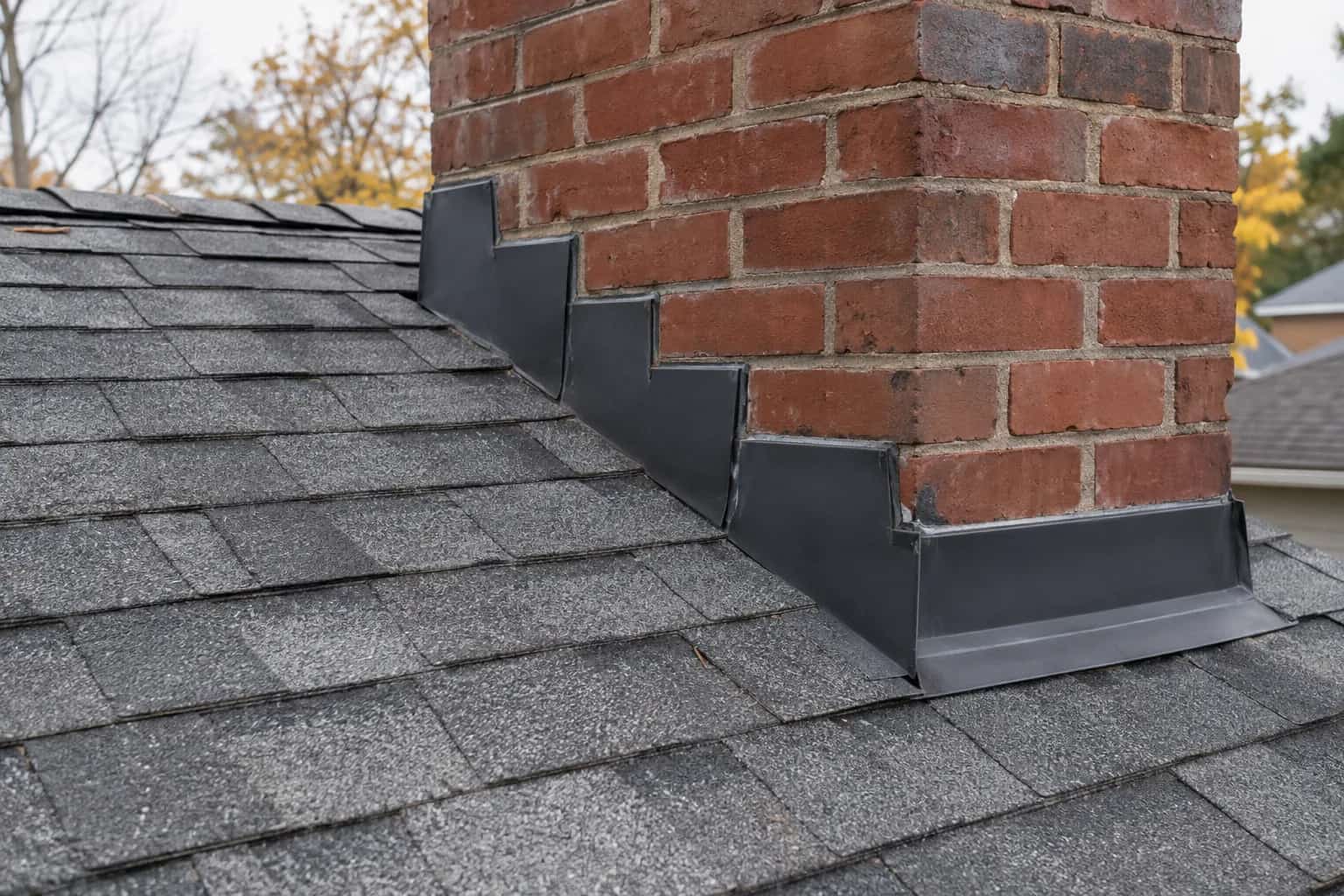
A roofer can inspect damaged roof coverings, flashing, chimney interfaces and openings left by the event or emergency response. If masonry, framing or other structural parts are affected, additional qualified assessment may be needed.
Ask what was inspected and what remains concealed or uncertain. "Roof repaired" is too short a description of the whole incident, however welcome those words are. Temporary weather protection can be appropriate before permanent repairs if it can be installed safely.
Photographs should show both the apparent impact area and the wider roof context. Preserve the original files and incident paperwork. Our storm-photo guide explains how to keep that record useful without climbing.
Do not reduce the event to the visible hole
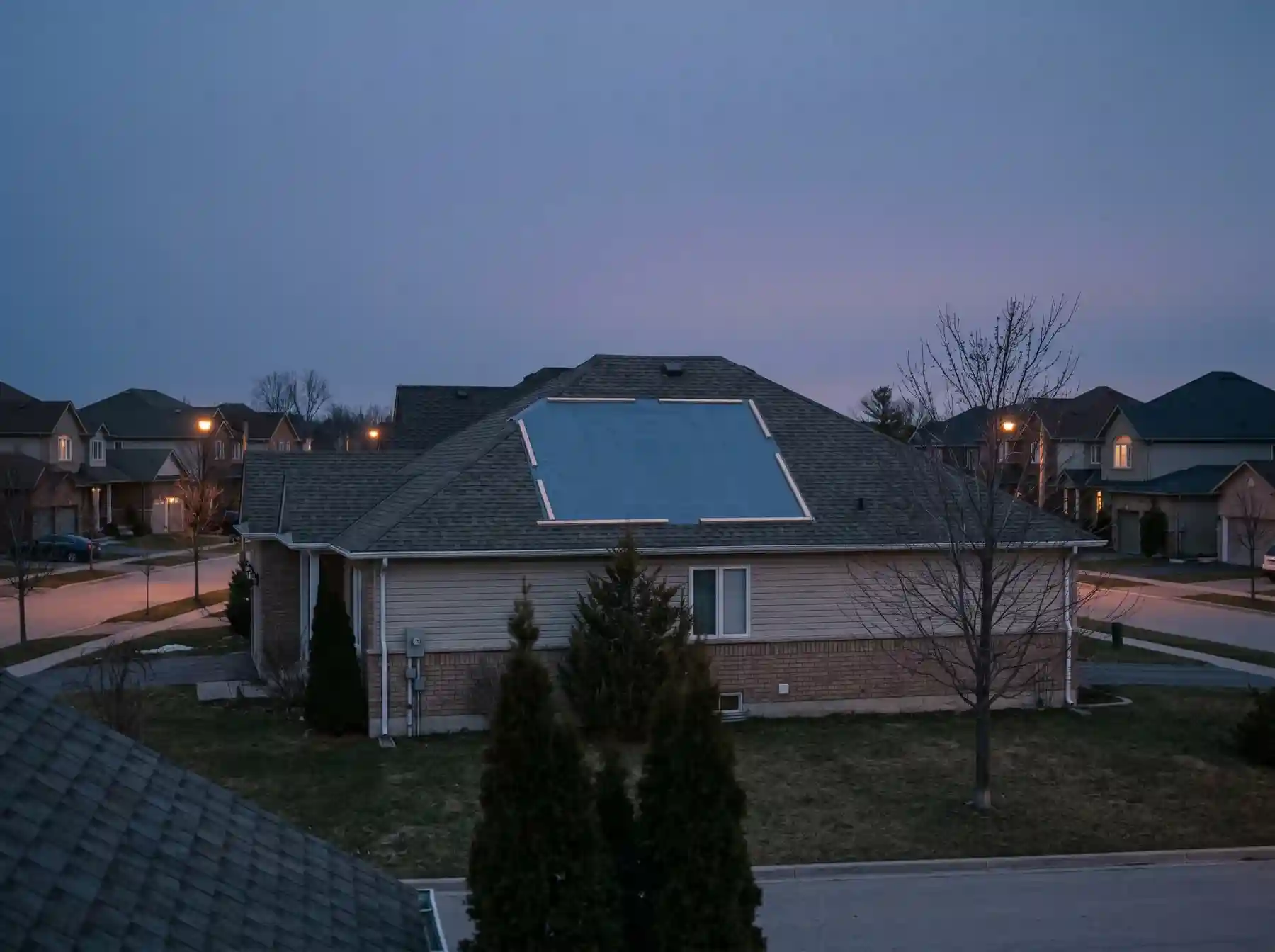
When Mike hands over roof photographs, keep them with separate emergency, electrical and any structural or masonry records. The photograph of a closed hole documents that roofing work. It does not reveal every place the event affected, and nobody should mistake our part of the repair for a whole-building all-clear.
If rain enters before the roof can be restored, stay clear of wet electrical fixtures and damaged ceilings. Water near a ceiling light needs qualified electrical attention as well as leak repair. The final objective is a safe building with restored weather protection, not merely a roof that looks normal from the street.