An attic fan can be running hard while pulling air from the wrong place. With restricted outdoor intake and a leaky ceiling, some of its replacement air can come from the rooms you have paid to heat or cool. A bigger motor can make that mistake more efficiently.
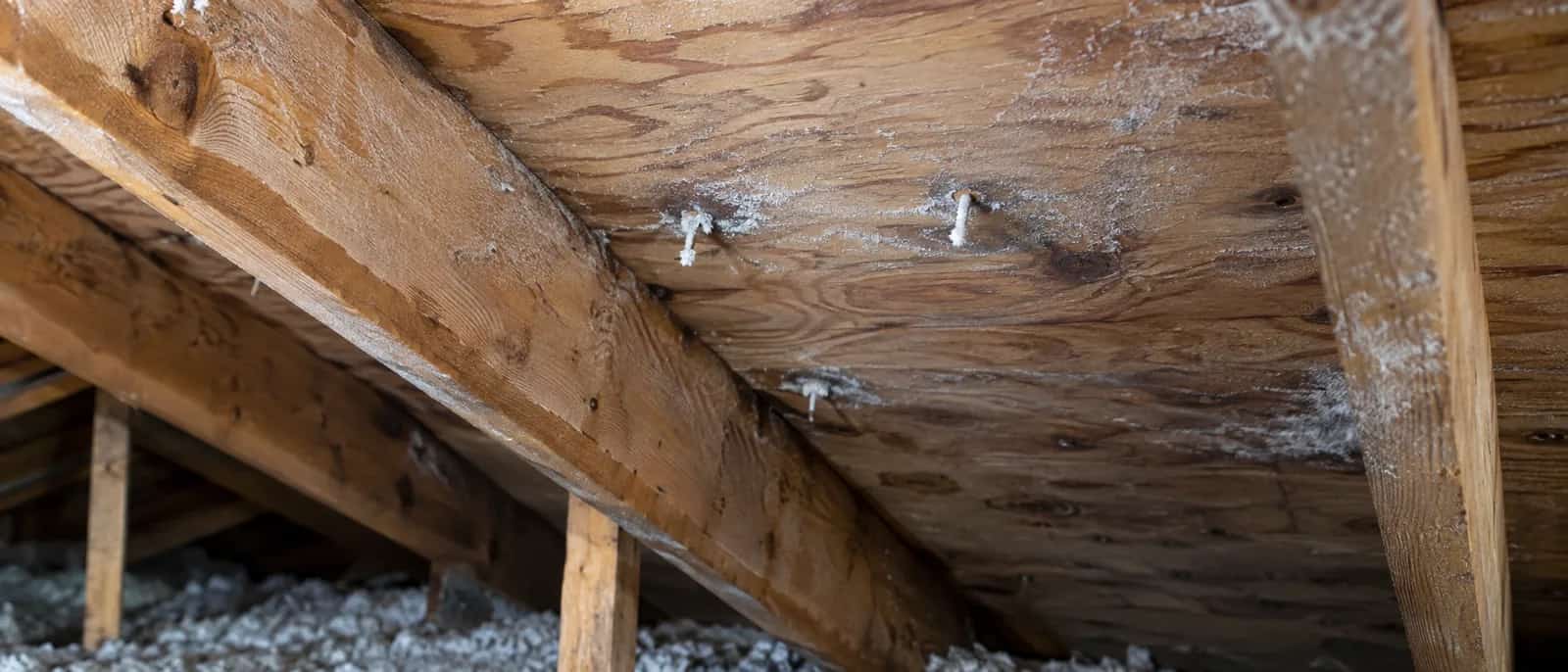
For a typical vented Ontario attic, adding a motor should not be the first response to frost, mould or an uncomfortable upstairs bedroom. Begin with the condition you are trying to correct and the route causing it.
The attic fan starts up while Peter is explaining that it runs all the time. He pauses so Mike can hear it. Mike has heard enough to know the motor works; he still does not know whether the house benefits. Busy equipment is very good at looking useful.
A Fan Changes Pressure
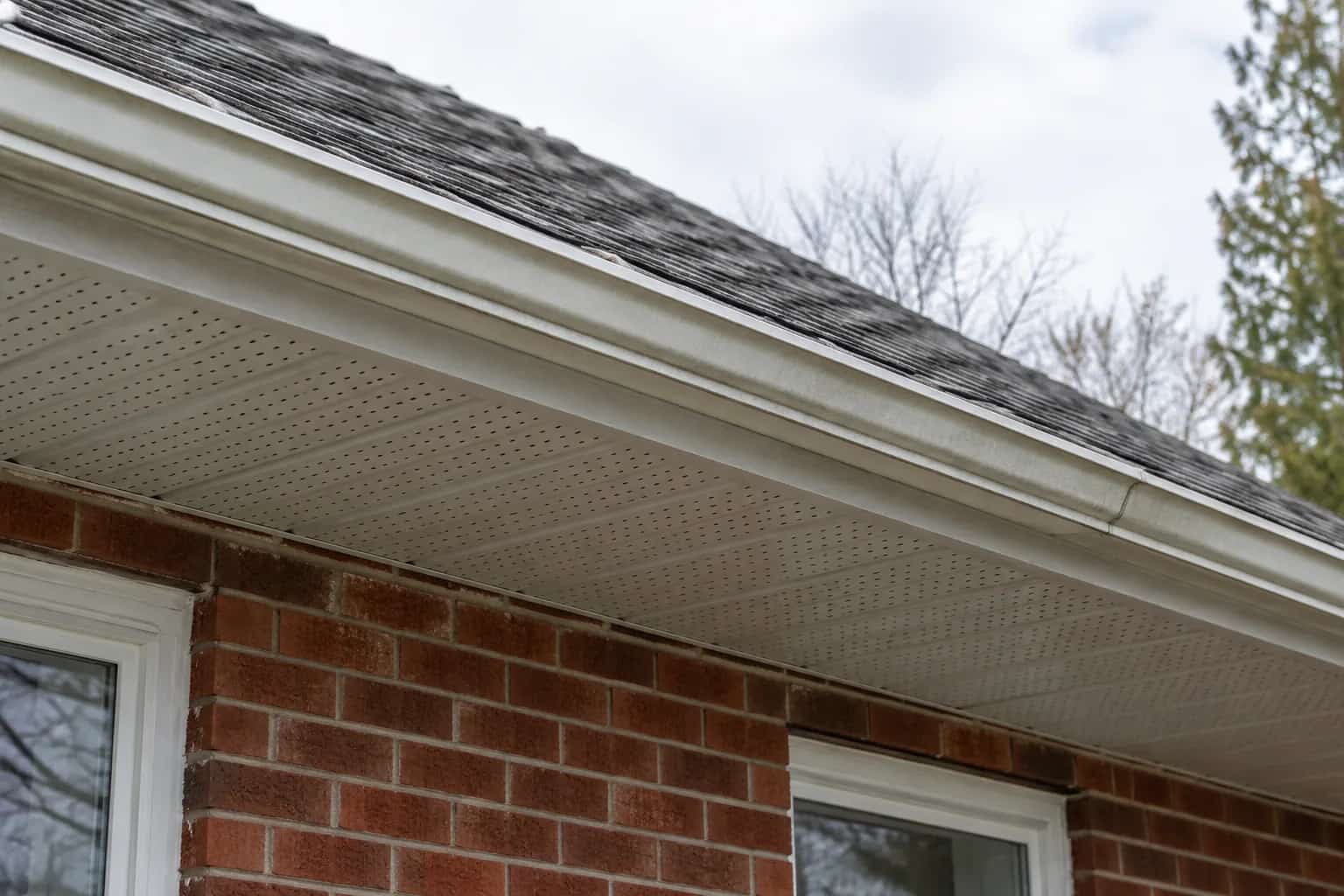
An exhaust fan lowers pressure in the space it serves while running. Air then enters through available paths. Those can include soffit openings, nearby roof vents and gaps in the ceiling below. A thermostat or humidistat controls when the fan operates; it does not select the source of replacement air.
Natural Resources Canada warns against electric attic exhaust fans because inadequate soffit supply can lead to house air being drawn into the attic. Winter moisture can therefore persist even while the equipment appears busy.
An attic ventilator is also different from a whole-house fan designed to move indoor air under particular operating conditions. The names are sometimes mixed up in estimates. Ask precisely which space the proposed equipment serves and how it changes the home's pressure relationships.
Where Does the Replacement Air Come From?
Fan operation can expose weaknesses in both intake and ceiling air sealing.
Fan exhausts
The operating fan removes attic air and changes pressure.
Outdoor intake responds
Clear, adequately sized intake provides the intended replacement route.
Ceiling leaks compete
Unsealed openings can supply indoor air when resistance elsewhere is higher.
Assess the result
Check moisture, comfort and pressure effects rather than motor operation alone.
Investigate the Complaint First
A useful way to judge the recommendation is to name the original complaint. "The bedroom is hot" concerns the room and its heat gains. "The sheathing frosts" concerns moisture reaching a cold surface. "The attic air is hot" is a measurement in a different space. Those three statements may overlap, but they do not justify the same purchase automatically.
On Peter's winter list, Mike puts bathroom exhaust routing, ceiling leakage and indoor humidity. On the summer list go ceiling insulation, air leakage, shading, air-conditioning performance and ducts. The hot-attic reading stays in the notes, but it cannot tell Peter what a powered vent would save in cooling energy.
If an existing fan runs frequently, record the operating conditions and the original reason it was installed. Have its controls, weatherproofing and electrical installation assessed rather than disconnecting or modifying it yourself. A qualified assessor should also consider combustion safety where pressure changes could affect fuel-burning equipment.
Replacing the fan with a bigger model without this review can magnify the underlying problem. "It shifts more cubic feet per minute" is not a complete explanation of a benefit to the house.
Peter calls the problem "heat," then describes frost on the sheathing in winter and a hot bedroom in summer. Dave writes those as separate complaints. They may share some causes, but combining them into one word makes it too easy to sell one motor as the answer to both.
Spend on the diagnosed problem
A passive ventilation plan should identify actual intake and exhaust capacity and any blocked passages. An air-sealing plan should name the ceiling openings being corrected. An insulation plan should address thin eaves and access hatches, not just a deeper layer in the centre.
Separating those repairs shows where the money goes and which symptom each is intended to improve. If a professional still recommends mechanical attic ventilation for a specific assembly, request the design basis, replacement-air provision and expected operating effect in writing.
Our intake and exhaust article is a useful preparation for that conversation. The objective is a dry, durable roof assembly and comfortable rooms. A quieter or larger fan is only worthwhile if the diagnosis shows it serves that objective.
Pat asks for the intake route and the ceiling-leakage assessment before comparing a larger fan. Peter puts the larger-model brochure aside. The next purchase needs to follow a diagnosed problem; a stronger machine pulling from the wrong place would only be a more enthusiastic version of the same mistake.