
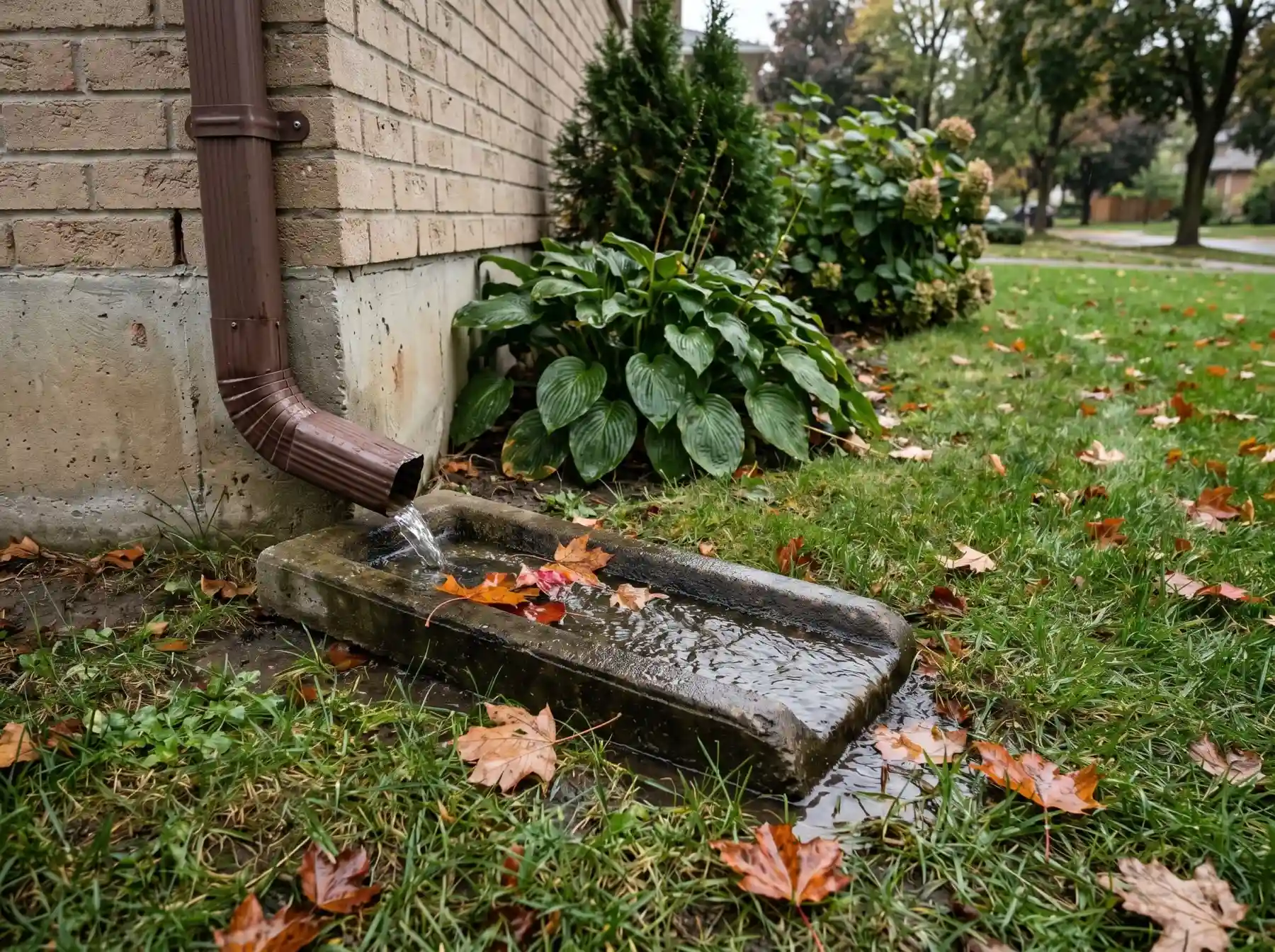
The new elbow points into the garden, the extension is attached, and a short open pipe remains beside the wall. It is easy to overlook because it is no longer attached to anything interesting. If it is the identified former sewer connection, closing it properly is part of finishing the disconnection. If its function is uncertain, identify it before plugging it.
Pat calls it the last five minutes of a job that have somehow lasted six months. The opening still needs a decision; leaves, rain and animals do not wait for the rest of the paperwork.
The extension looks tidy enough for the owner to send a completion photograph. Mike notices the old opening at the edge of the frame. The owner had cropped it out because it was ugly. "Useful things often are," Dave says, asking for the uncropped version before the job is signed off.
Know Which Pipe You Are Looking At
An old downspout connection, a plumbing cleanout and another drainage opening can look similar from above. A label, record of the disconnection or a competent inspection should establish what the pipe serves. Do not assume every opening beside a foundation is redundant.
Ask the contractor to record the former route and confirm whether any other active connection depends on it. If the system is unknown, investigation may involve a drainage professional rather than an improvised plug. Our buried-downspout guide explains why destination matters.
The same care applies if you have just bought the house. A previous owner's extension may suggest a disconnection occurred, but it does not document the pipe below or prove the work was completed correctly.
Close the Known Connection
A known old sewer connection and an unknown opening are different decisions.
Identify
Establish what the opening serves and whether it is redundant.
Specify
Use a suitable secure closure under the applicable local process.
Check the new route
Confirm where roof water goes after disconnection.
Record
Keep photos and route information before landscaping hides the detail.
Toronto Treats the Cap as Part of the Work
Toronto's downspout-disconnection instructions explicitly include closing the exposed sewer standpipe. The City explains that this keeps water and debris out and prevents animals falling in. It describes closure options for identified connections; the suitable choice depends on the opening and work involved.
That is Toronto guidance, not a reason to disconnect or seal every pipe in another municipality. Confirm the local requirements and what the property actually contains. If disconnection is unsuitable or hazardous, the Toronto exemption process is a different decision from simply leaving an opening unfinished.
Do not drop broken material into the pipe or treat a loose object placed over it as a durable closure. The completed arrangement should be secure, compatible and documented. If the location must retain access for another purpose, the responsible professional needs to specify that detail.
The opening is not plugged on sight. Its purpose is checked first, along with the work record and any remaining connections. Pat has no interest in making the wrong pipe look beautifully finished. Once identified, its closure becomes a named part of the scope.
Finish Both Ends of the Change
Mike asks for two photographs: the old connection after closure and the new discharge destination. It is possible to do either half well while neglecting the other.
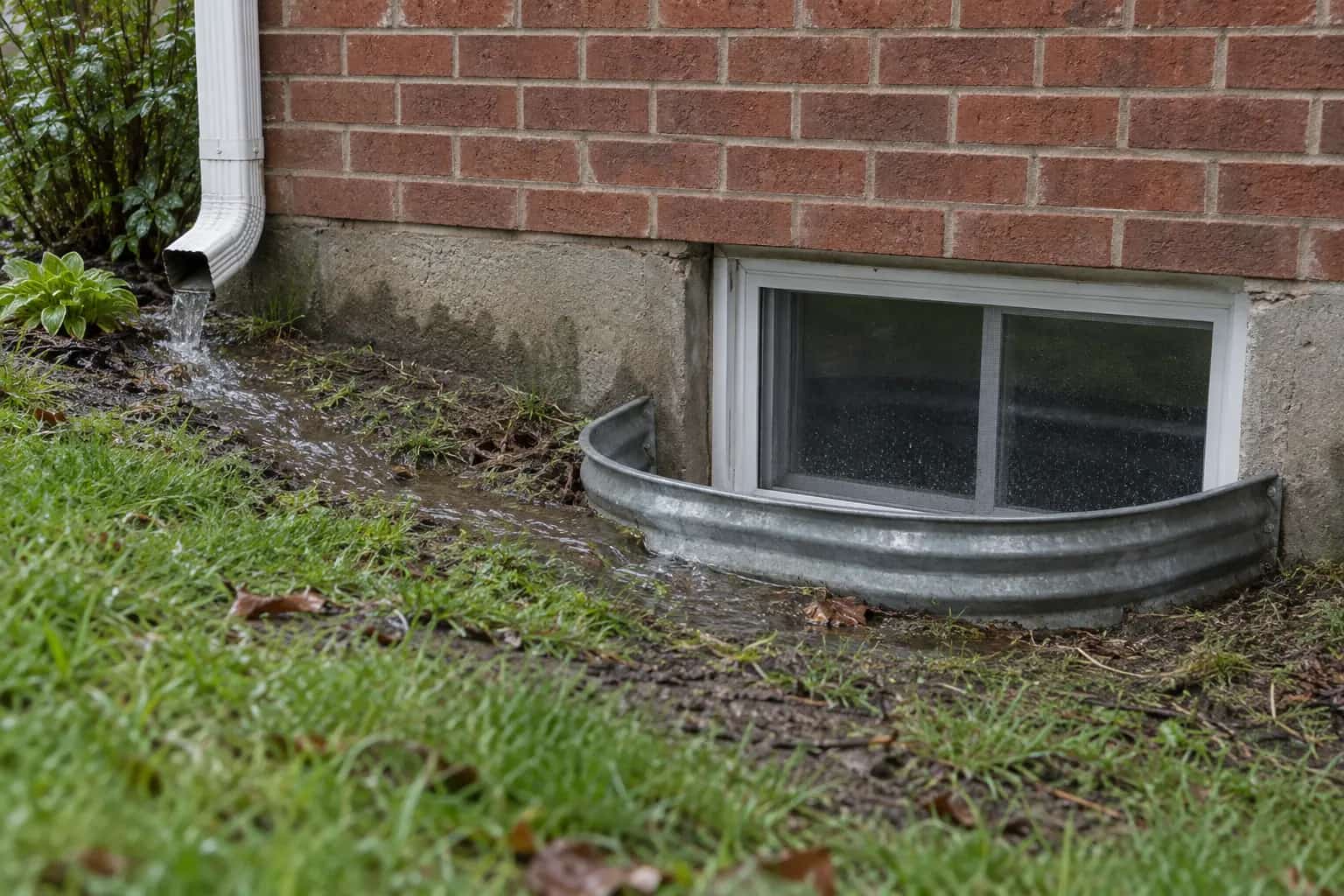
The new extension must carry runoff to a suitable receiving route, without directing it at a foundation, neighbouring opening or walkway. Watch what happens beyond the pipe end. A tidy connection can still send water back towards the house when the ground slopes that way.
If a rain barrel is involved, inspect its overflow and winter arrangement too. A capped old standpipe should not encourage anyone to reopen the sewer connection each autumn because the temporary barrel arrangement was never planned.
When the Pipe Is Already Full of Debris
Do not reach into an unknown opening or try to push its contents out of sight. Tell the drainage contractor what is visible and whether water has been observed entering or backing up. The decision may require clearing or inspection before closure.
If an animal is trapped, keep people and pets away and contact appropriate local animal assistance. Do not pour water or chemicals into the pipe to encourage it out. The closure comes after the situation has been resolved.
Ask the contractor to explain any hidden uncertainty before the opening disappears beneath paving or landscaping. A photograph of a finished cap cannot establish what was connected underground unless that earlier investigation was recorded.
The final photographs include both the cap and the garden route. The owner keeps the unflattering wide shots this time. They explain the completed arrangement far better than the close-up of a shiny elbow.
Leave a Record the Next Owner Can Use
Save the date, location, contractor and photographs with the drainage plan. Note where the roof water now goes and which old connection was closed. That helps prevent a future landscaper or owner from undoing the arrangement based on a guess.
Check the visible cap and discharge after nearby garden or paving work. Neither needs to become a weekly hobby; they simply belong on the list when something around them changes. A completed disconnection has a working new route and a properly dealt-with old one. The forgotten opening is not a decorative feature.