
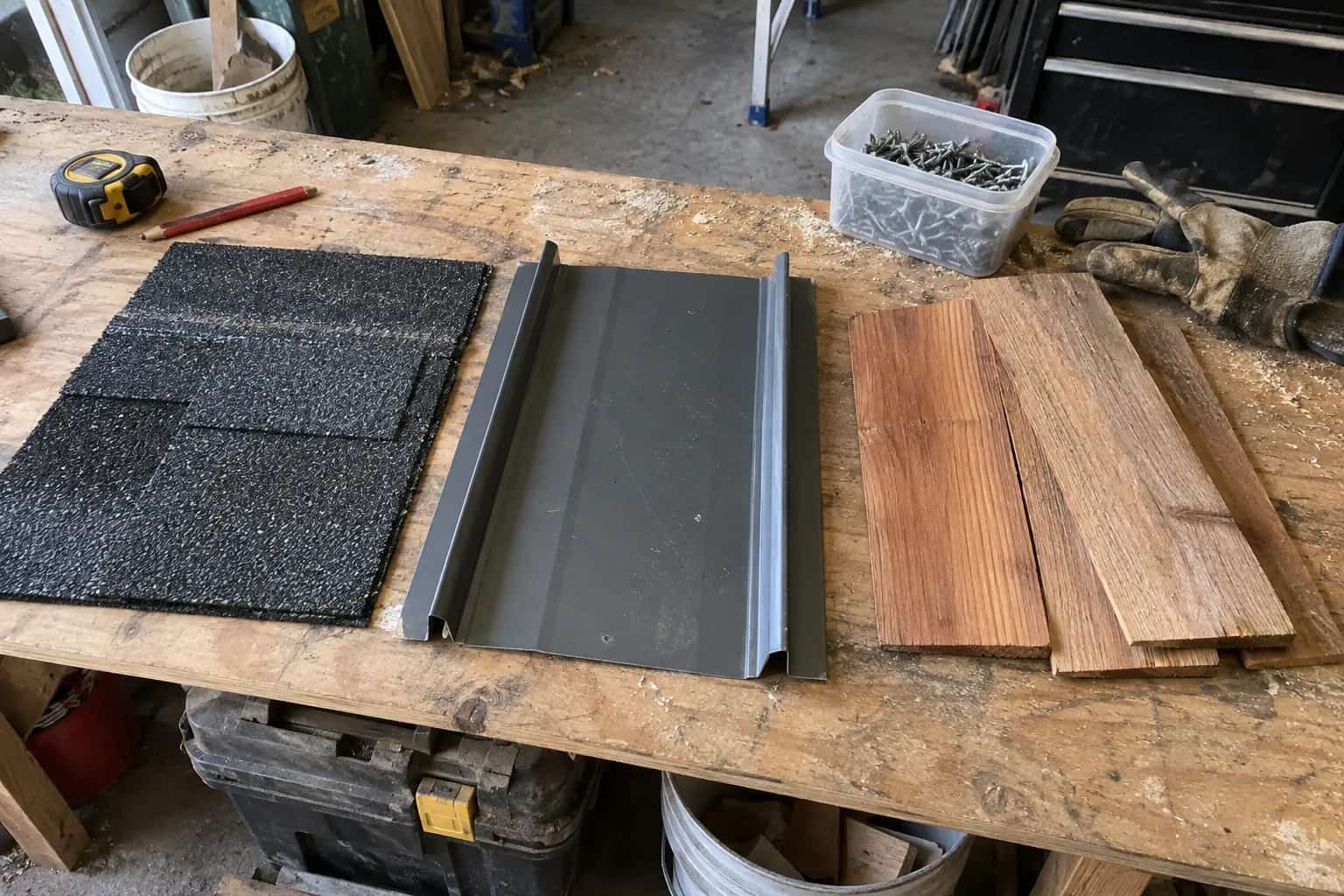
Some metal systems can go over existing shingles, but the retained assembly has to earn its place. The proposal needs to explain why it is suitable, how the metal attaches and how every edge will work.
Dave put the metal sample over the old shingles and the idea immediately looked persuasive. No great heap of torn-off roofing, no exposed deck, a tidy new surface. Then Pat pointed at a dip beside the chimney. "Do we get to know what's under that, or are we just giving it a nicer hat?"
Avoiding removal can be attractive. Less material comes off the house now, and the removal work disappears from the immediate scope. But access to the deck also disappears. That tradeoff deserves as much attention as the saving.
Product Approval Is the First Check
IKO Beyond describes metal installation approaches that include certain installations over existing shingles. The relevant question is whether the actual product quoted permits the proposed assembly, with its specified support, underlayment and attachment.
A general metal-roofing brochure does not approve every standing-seam panel, metal tile or site-built batten arrangement. Nor does a system used on a neighbour's house establish suitability for yours. The slope, existing layers, structure and local requirements still need checking.
There is no useful universal answer of "one layer is always fine" or "two layers are allowed everywhere." Keep the permission tied to the selected system and the building being assessed.
The dip beside the chimney still needs an answer
An overlay retains more than the visible shingle colour. It retains the existing surface and whatever condition lies beneath it unless the scope includes specific removal and repairs.
A roof with unexplained leaks, uneven areas or uncertain past work needs investigation before the new roof is priced as a simple cover-over. An accessible attic can provide valuable information, but it does not expose every part of the upper deck surface. Removal gives a different level of access.
This does not mean every overlay hides rot. It means "we saw no problem from outside" and "we assessed the support we will rely on" are different statements. A useful proposal explains the investigation, its limits and what happens if a suspect area is found.
Overlay and Tear-Off Buy Different Access
Compare what each scope can investigate and rebuild.
Designed overlay
Retains existing roofing; needs an approved assembly, sound fastening support and planned transitions.
Removal to the deck
Exposes the upper deck surface for assessment and gives direct access to rebuild roof details.
Unresolved condition
Leak history, unevenness or uncertain layers need investigation before either price becomes a dependable scope.
The Extra Height Has to End Somewhere
We took the sample to the chimney detail next. That was where the neat cover-over sketch became a real roof: the finished surface could sit at a different height, while the old flashing remained where it had always been. Pat followed the route toward the skylight and gutter. Every transition needed an answer for the new assembly. "We'll sort that out when we get there" was beginning to describe rather a lot of the roof.
Central States' manufacturer FAQ also treats overlay suitability as conditional and directs attention to defects and local codes. Its general advice is not a substitute for the chosen panel's details.
Next we followed the proposed fastener through the assembly on paper. The existing shingles could not provide structural attachment. What would receive the fastener, and how would it reach that support through the retained layers? The selected system and design needed to establish it. Dave wanted that answer in the proposal, rather than a box of longer screws arriving with a hopeful explanation.
Compare the Next Roof, Too
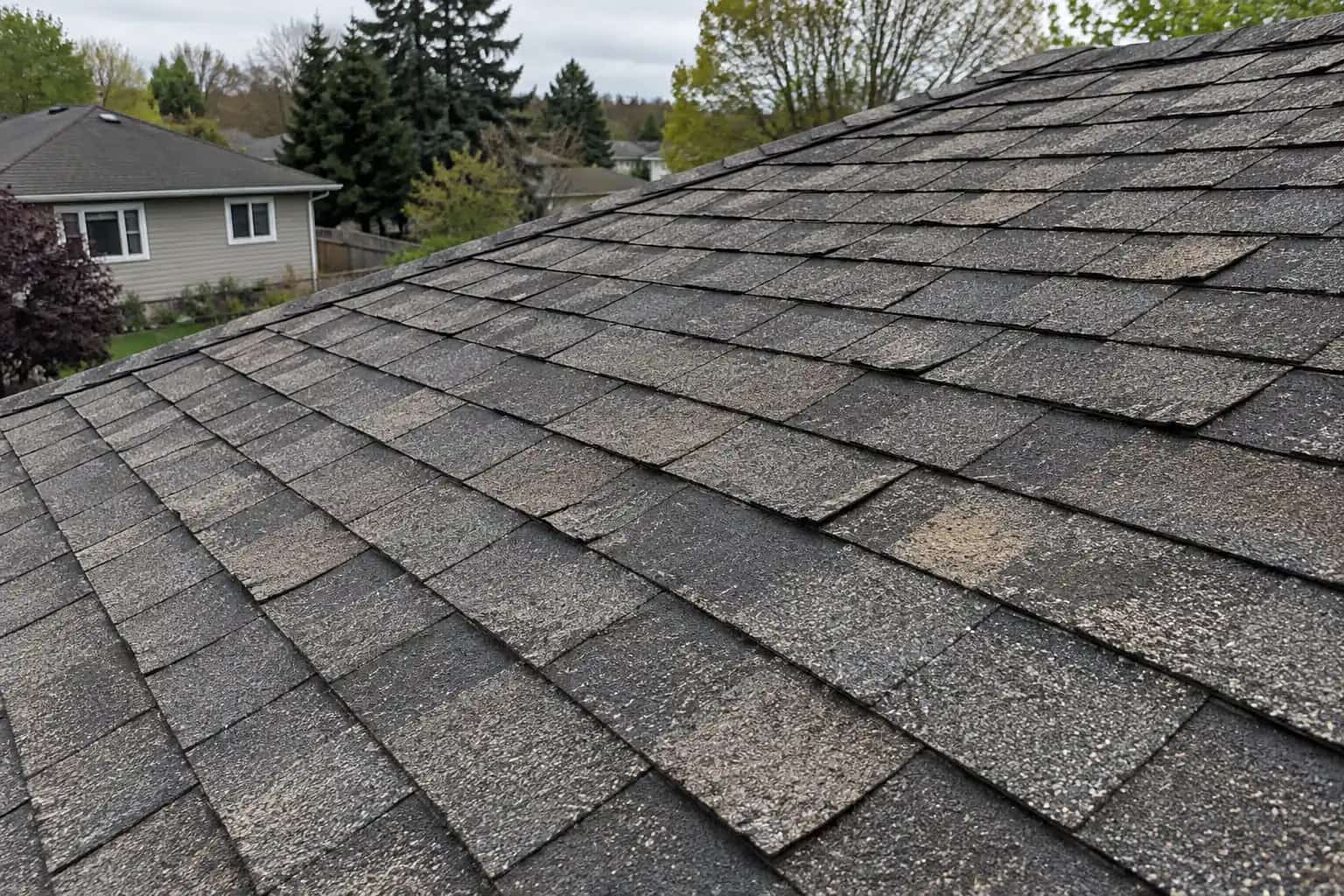
An overlay can defer disposal rather than eliminate it. A later replacement may have both coverings to remove. Include that ownership consequence when comparing two otherwise suitable choices.
A tear-off is easier to justify where finding and repairing existing defects is a major part of the project. An overlay deserves consideration where the retained assembly has been assessed, the product permits it and every transition is properly resolved. Choose between those actual scopes, rather than treating removal as wasteful or an overlay as automatically careless.