
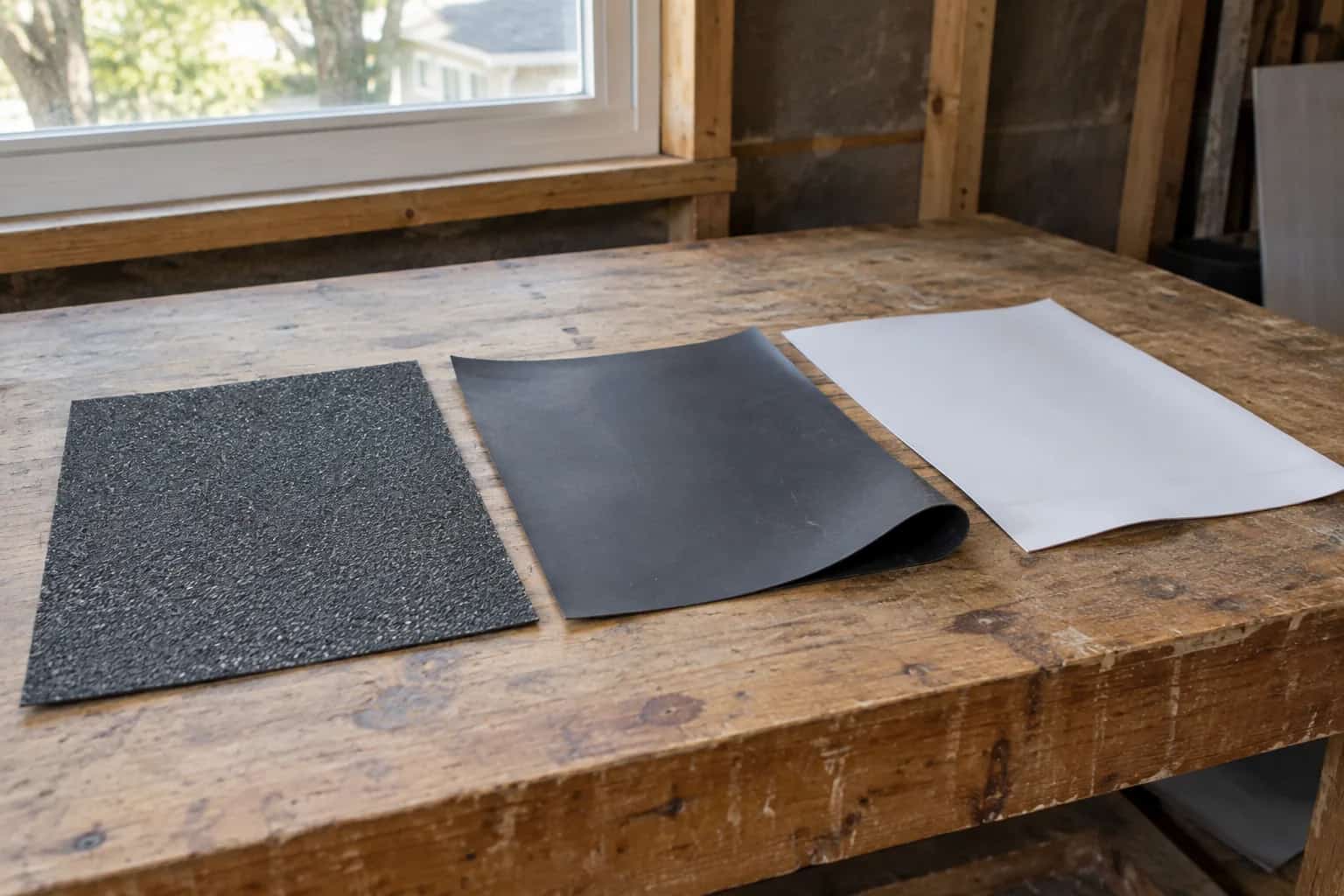
"We can put membrane everywhere," the proposal says. Mike asks what roof assembly is underneath. Dave asks what problem the extra coverage is meant to solve. More material can be the right choice, but the answer needs more substance than an extra roll count.
Full membrane coverage can be appropriate when it follows the roof design and drying strategy. It does not correct the heat leakage that helps produce ice dams.
Start With Slope and Covering
Lower slopes can require different underlayment arrangements because drainage behaviour changes. The permitted covering and underlayment must be checked together. IKO's underlayment bulletin illustrates product and slope distinctions; it should not be read as one rule for every shingle on every roof.
Membrane does not turn a shingle product into an approved covering below its minimum slope. If the proposed use falls outside instructions, choose an appropriate roofing system instead of trying to rescue the idea with another layer.
Pat marks the shallow addition separately from the main roof. The same shingle colour does not make their slopes or assemblies identical. He wants the product requirements checked at each change, not averaged across the house. Have the slopes measured at those changes, rather than inferred from the view in the yard.
A membrane changes one layer
Self-adhered membrane belongs beneath the roof covering. Extending its area does not repair a weak deck or correct the roof's flashing and ventilation.
Schematic view. Shows relationships, not installation dimensions.
Consider Both Water and Vapour
A self-adhering membrane can provide important protection against water reaching the deck. Its vapour properties also affect drying through the roof surface. The product data and the construction below it therefore matter.
An open ventilated attic, an insulated cathedral ceiling and a roof with foam against the sheathing are different assemblies. Ask where moisture could enter and how it would leave. If that answer is unclear, have the assembly reviewed before committing to full coverage.
Ice Protection Does Not Stop Heat Leakage
A membrane can be part of managing leakage risk where ice backs water up. It does not stop warm indoor air leaking into the attic, correct missing insulation or restore blocked intake paths.
If recurring ice dams prompted the upgrade, include those underlying conditions in the discussion. Read intake and exhaust balance, and ask whether ceiling air leakage has been assessed rather than assuming the roof needs more exhaust openings.
Mike comes back to the damp deck. Before covering it, establish why it is wet and whether the assembly can dry. A waterproof layer is not a way to skip the moisture question. The assessment also needs to establish the condition of the wood.
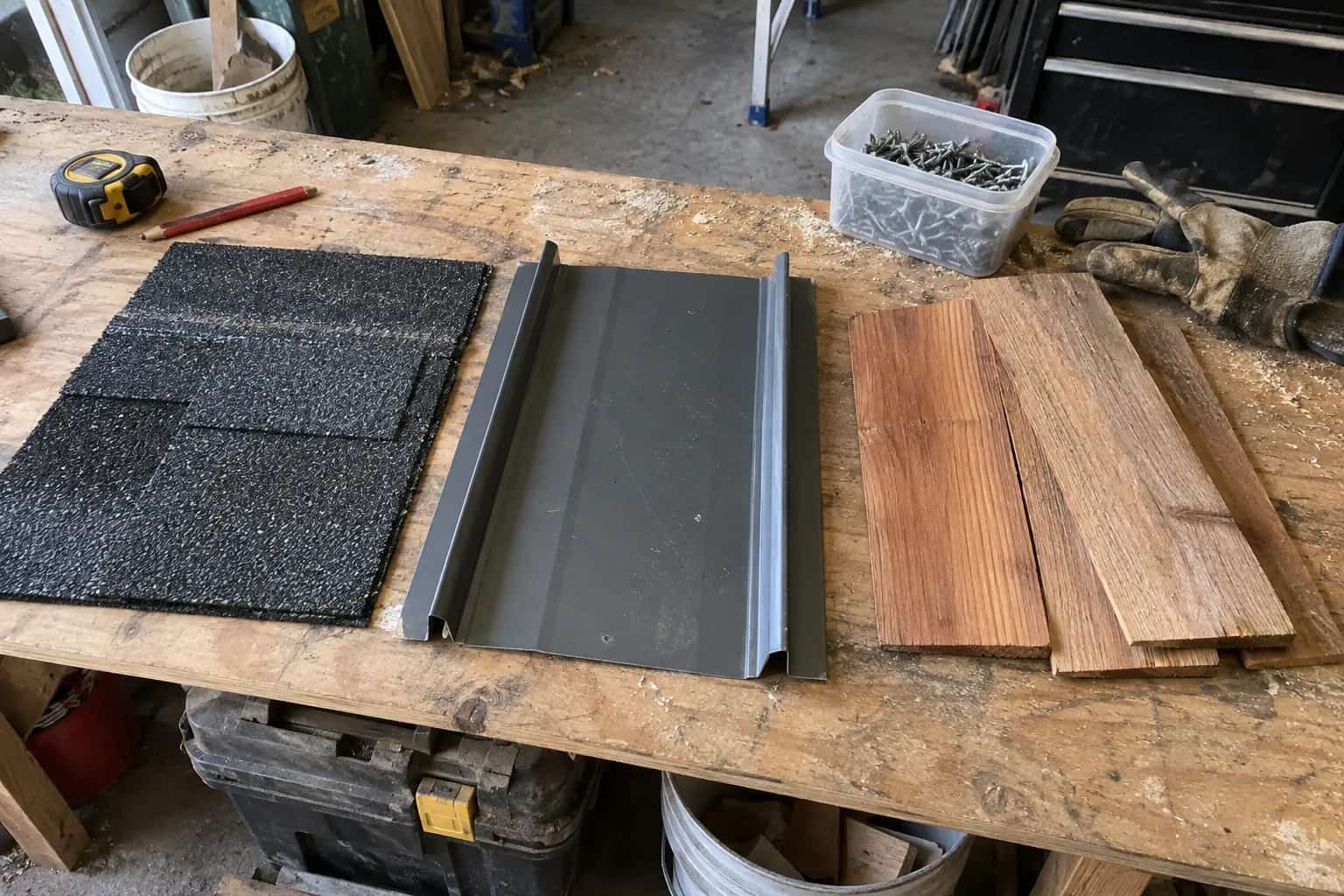
Three Reasons That Deserve Different Answers
- The selected covering and slope call for it: check the actual application detail and include it in the base scope.
- A particular roof area needs added protection: identify that area and the risk being addressed.
- The owner wants more protection everywhere: review the assembly and drying consequences before treating more coverage as automatically better.
Put the Reason in the Proposal
A clear proposal names the membrane, coverage areas, substrate preparation and relevant assembly requirements. It also explains how penetrations, roof edges and transitions will connect to the covering. The manufacturer's application instructions should be available for the exact product supplied.
Ask us to explain the coverage by area and purpose. A required detail, a targeted precaution and an optional upgrade deserve clear answers. "Everywhere" tells you where the sheet goes; it does not tell you whether the design works.