
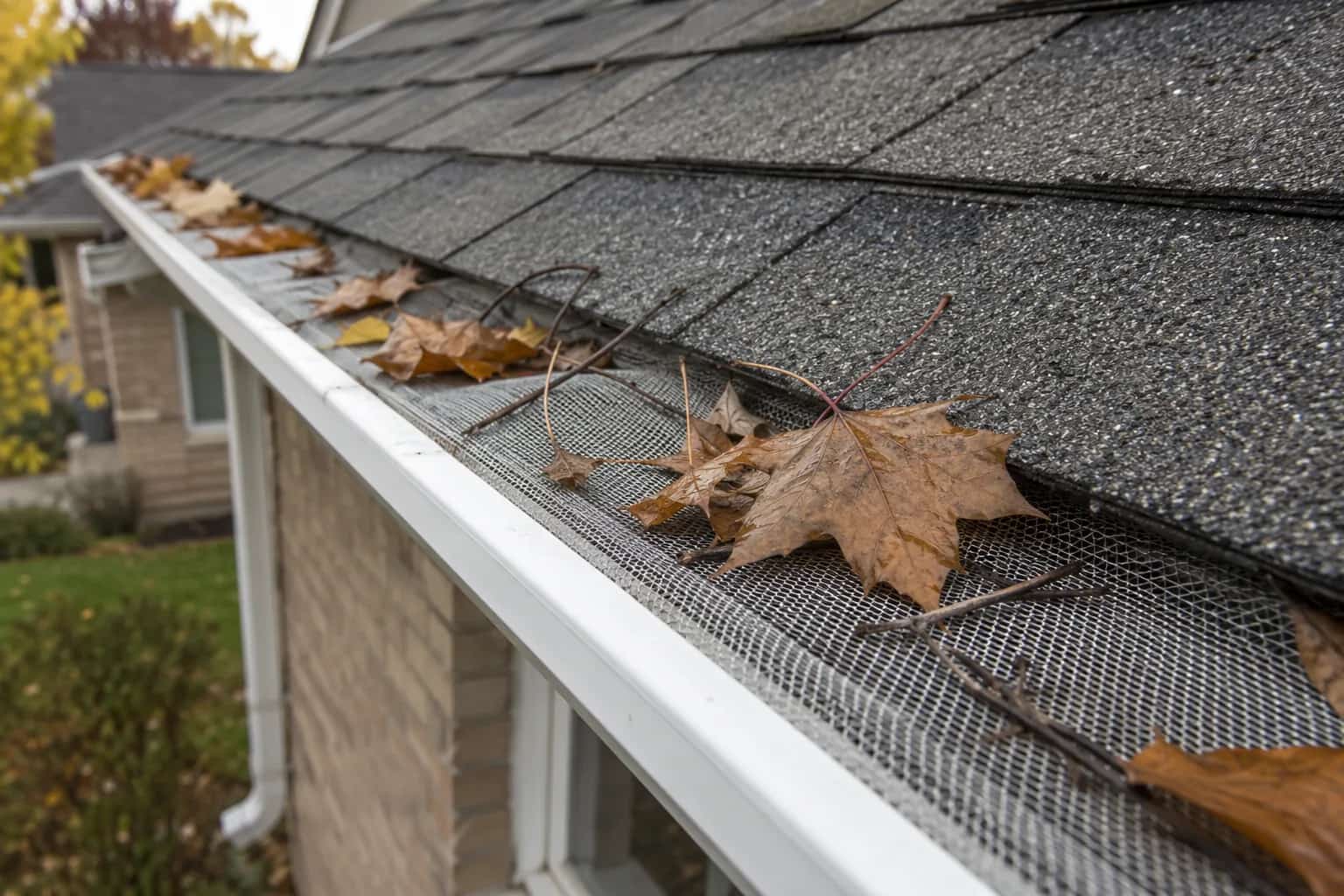
The pole camera shows a splendid close-up of wet leaves without anyone leaving the ground. Useful. The next question is what the tool can remove and what the image cannot establish. A clear camera view does not test hidden timber, every joint or the pipe below. Buy the service for the questions it can actually answer.
Inspect Before Choosing the Tool
A camera can show a trough full of leaves, a clear outlet or a pool remaining in a low spot. Its usefulness depends on sightlines, lighting and whether a guard obscures the gutter below. Ask for images that identify each inspected section rather than a single photograph from the easiest corner.
A camera cannot test whether a fastener holds sound timber or reveal every roof-edge lap. If it identifies a damaged connection or suspect backing, closer professional access may still be necessary. A good operator should explain that boundary clearly.
A Useful Before-and-After Pair
Pat asks for the same corner in both pictures. The first shows the leafy outlet; the second, taken elsewhere, shows a beautifully clean trough. Both may be honest images, but they do not yet demonstrate that the outlet was cleared. Keep the angle comparable and identify any guard-obscured sections.
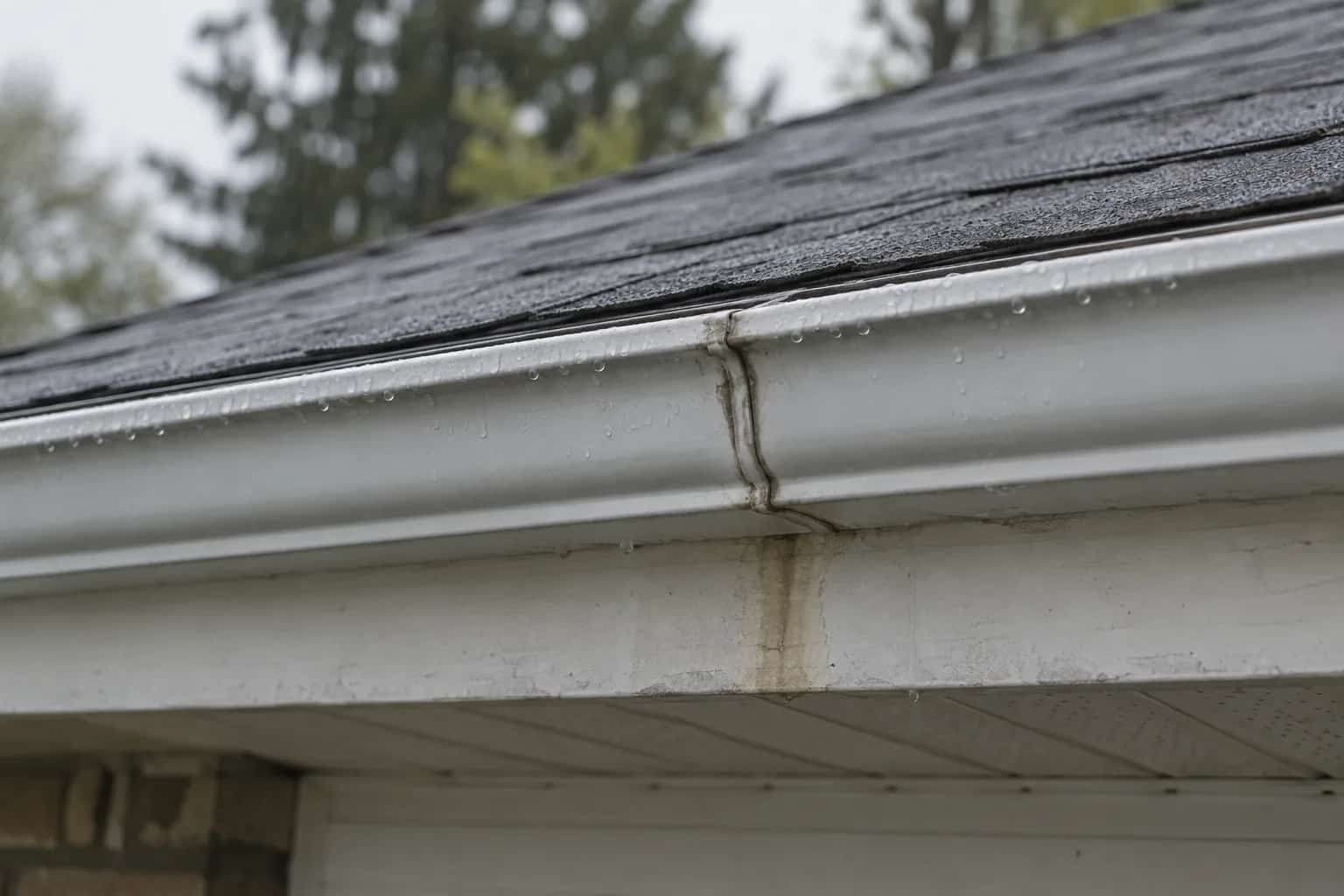
The photographs now show clear metal and water still sitting in it. "Another pass with the vacuum?" the owner asks. Mike wants drainage assessed instead. Debris, standing water in a clean run and loose supports point toward different work. The camera earns its place by helping separate those jobs.
What Ground Equipment Can Establish
Keep observation, cleaning and concealed-condition assessment separate.
Camera view
Shows visible debris, pools and accessible surface defects.
Cleaning tool
Removes material within its reach and approved use.
Flow check
Confirms passage at the tested water rate.
Closer inspection
May still be needed for hidden joints, backing and repairs.
Cleaning Methods Have Different Limits
Vacuum equipment can remove accessible loose material where the nozzle fits. A brush may clear accumulation from a guard surface without reaching the hidden trough. Water-based systems need a suitable gutter and a controlled discharge route; forcing debris downstream can create a new blockage.
Karcher's cleaning guidance describes equipment with specific setup requirements. The phrase ground-operated does not mean every installation step avoids elevated access. Read the actual method before treating the equipment as suitable for your house.
Avoid directing high-pressure water at shingles, soffits or unfamiliar joints. Product compatibility matters, especially with coated mesh guards or fragile older gutters.
Long Poles Create Their Own Hazards
Look for overhead electrical lines before raising any tool. Do not work where a pole or spray could approach them. Ontario's Electrical Safety Authority homeowner guidance addresses outdoor electrical hazards; the local utility can advise where line proximity prevents the work.
Dave lowers the pole when the side passage makes it awkward to control. Ground operation still involves stable footing, wind, falling debris and tool length. Taking the ladder away does not make every other arrangement safe, especially around the electrical hazards above.
What Did the Tool Actually Verify?
At the end, ask what was inspected, what came out, which defects were visible and where the tool could not reach. An honest inaccessible section is useful information. A photograph of the easiest clean corner should not have to represent the entire house.
A clean trough with weak discharge points toward a hidden pipe restriction, rather than another pass with the surface tool. That distinction is the value of checking the result: it tells you which job is still needed.