
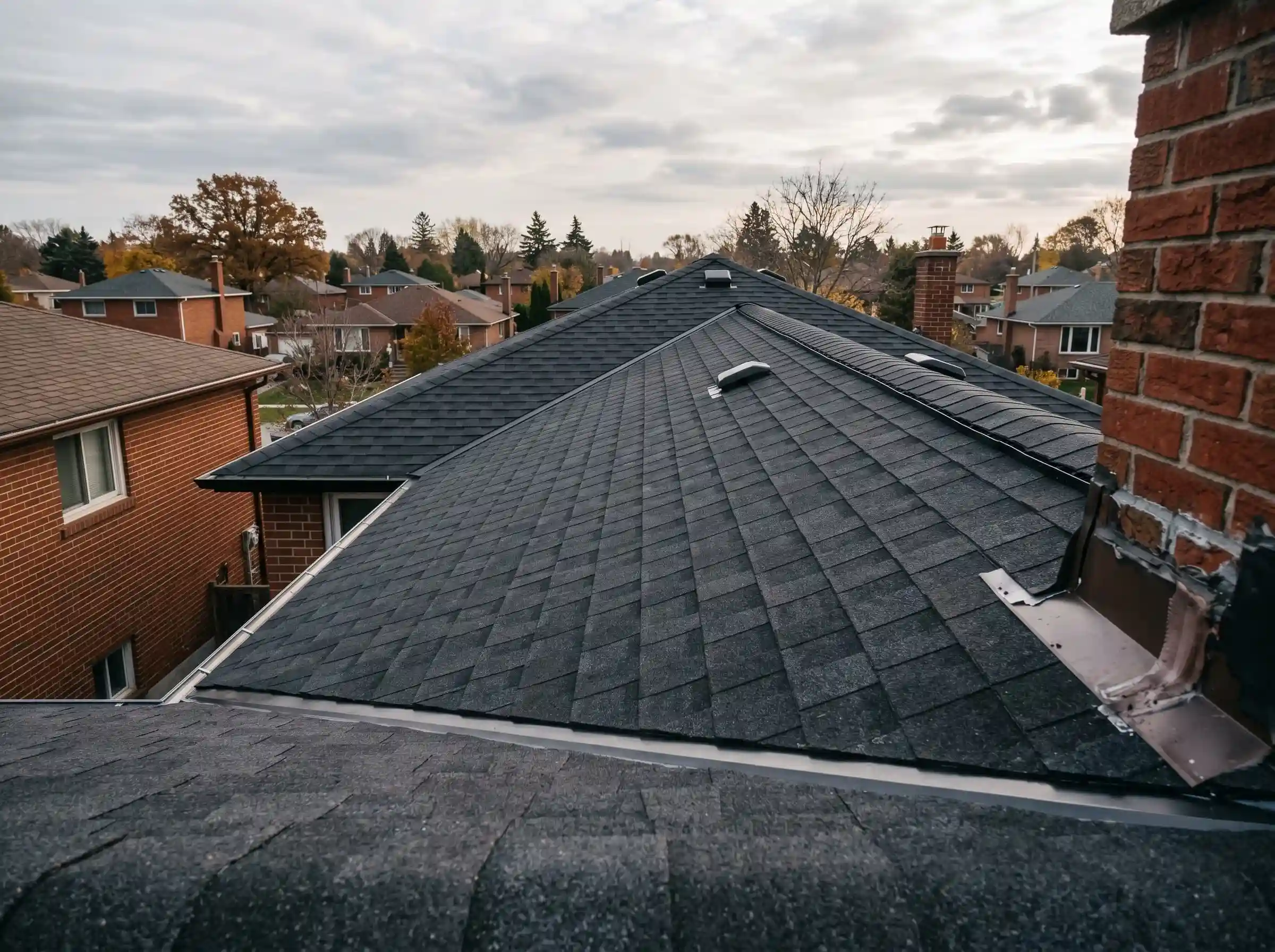
The west bedroom is roasting at four o'clock, and the dark shingles are on trial. Dave asks what the room is like before the afternoon sun reaches the windows. Mike asks about the insulation. The shingle colour may matter, but it has arrived at a hearing with several other suspects.
A more reflective roof can reduce solar heat absorption. First establish how heat reaches the uncomfortable room; roof colour is one part of that assessment.
Surface Temperature Is Only the Beginning
A roof that reflects more sunlight generally absorbs less solar energy. The US EPA's cool-roof guidance explains the roles of solar reflectance and thermal emittance, as well as climate and building conditions. Those properties are more informative than the colour name alone.
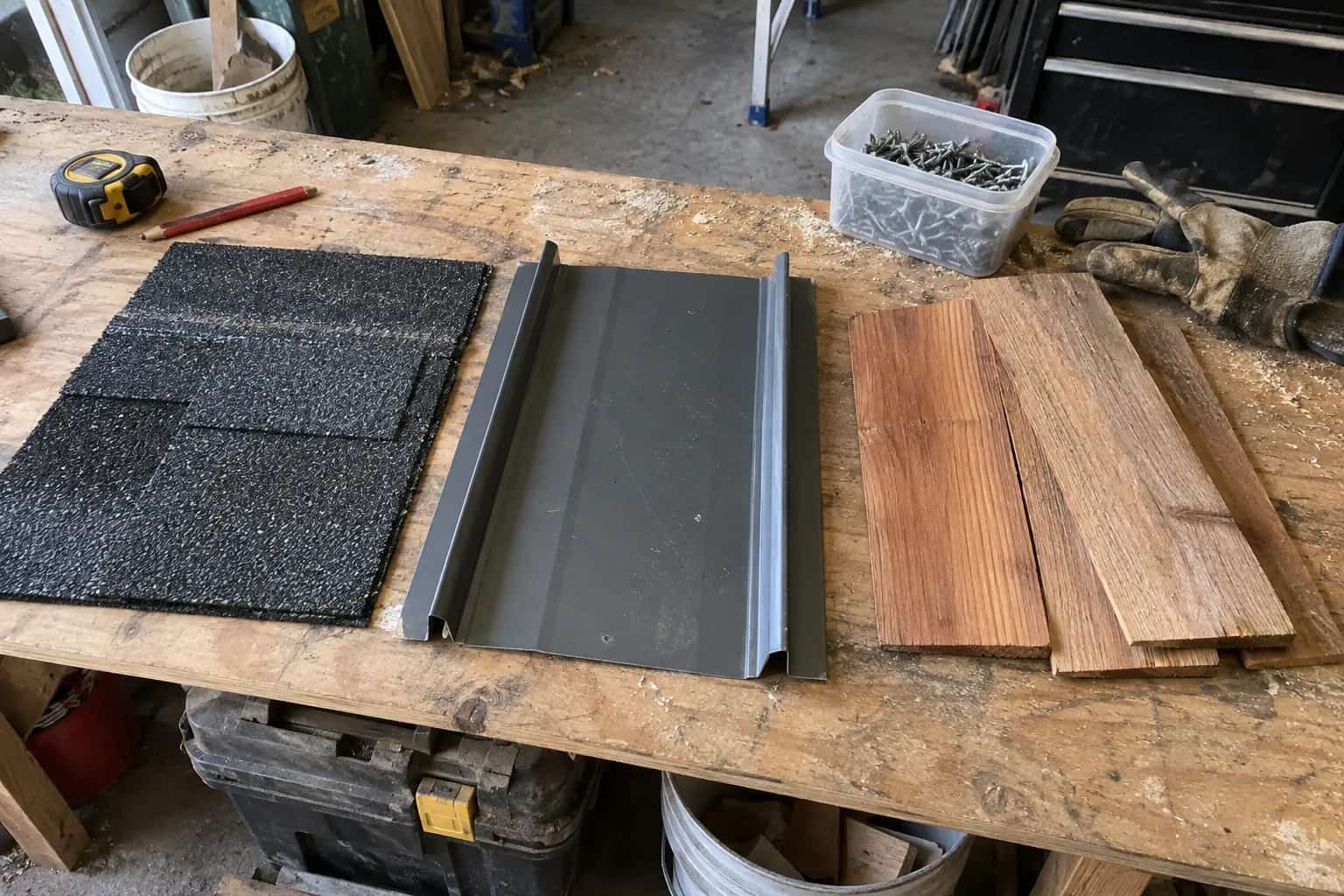
Two shingles described as light grey need not have identical reflectance. If energy performance is driving the choice, request the actual rated product information and check that it applies to the colour available locally.
Ontario also has a heating season. An energy claim from a hot-climate example cannot simply be carried over to a Toronto house. Avoid a quote that promises a fixed cooling-bill reduction without looking at the building and its heating needs.
Pat puts the reroofing decision on one side of the page and the comfort complaint on the other. If the roof already needs replacement, colour is a useful choice to consider. Replacing a sound roof solely to cool one room needs a much stronger explanation.
Four Different Parts of Upstairs Comfort
A cooler outer surface affects only the first part of this heat path.
Roof surface
Reflectance changes how much sunlight the covering absorbs.
Attic or roof cavity
Its construction and airflow affect the conditions below the deck.
Ceiling boundary
Insulation and air sealing limit heat transfer and unwanted air movement.
Occupied room
Windows and cooling distribution also influence the temperature you feel.
Trace the Heat Path Indoors
On a conventional ventilated attic, the roof is separated from the rooms by attic air and the insulated ceiling. Insulation limits heat transfer; air sealing controls air movement through gaps. Roof colour affects the solar load at the outer surface. These are different jobs.
A leaky attic hatch, missing insulation above a room or a poorly sealed ceiling penetration can remain a problem after the shingles change. Adding exhaust vents without assessing intake and ceiling leakage also skips important parts of the system. Start with intake and exhaust balance if ventilation is being proposed as the entire solution.
A cathedral ceiling needs a different assessment because there may be very little space between the roof and finished room. Tell the person assessing comfort which rooms have open attics and which follow the roof slope.
Keep a Short Comfort Record
For the next few warm days, give us the room temperature, approximate time, sunshine, blind position and whether the cooling system is running. Compare an adjacent room. You do not need a laboratory; you need enough information to avoid guessing.
If only a west-facing room overheats late in the day, window exposure and cooling delivery deserve attention alongside the attic. If most upstairs rooms are uncomfortable, a broader envelope and HVAC assessment may be more useful than changing a single surface colour.
The Replacement Decision and the Comfort Decision Can Separate
Look at the pattern before spending. Does closing the blind change the afternoon discomfort? Is the room above a garage? Is it uncomfortable on cloudy days too? These observations do not diagnose the fault, but they tell the assessor which parts of the building to investigate.
Choose a roof colour you like within a suitable system, and investigate the bedroom as a bedroom. We would rather find the missing insulation or other real cause than promise that a lighter sample will fix every uncomfortable afternoon.