
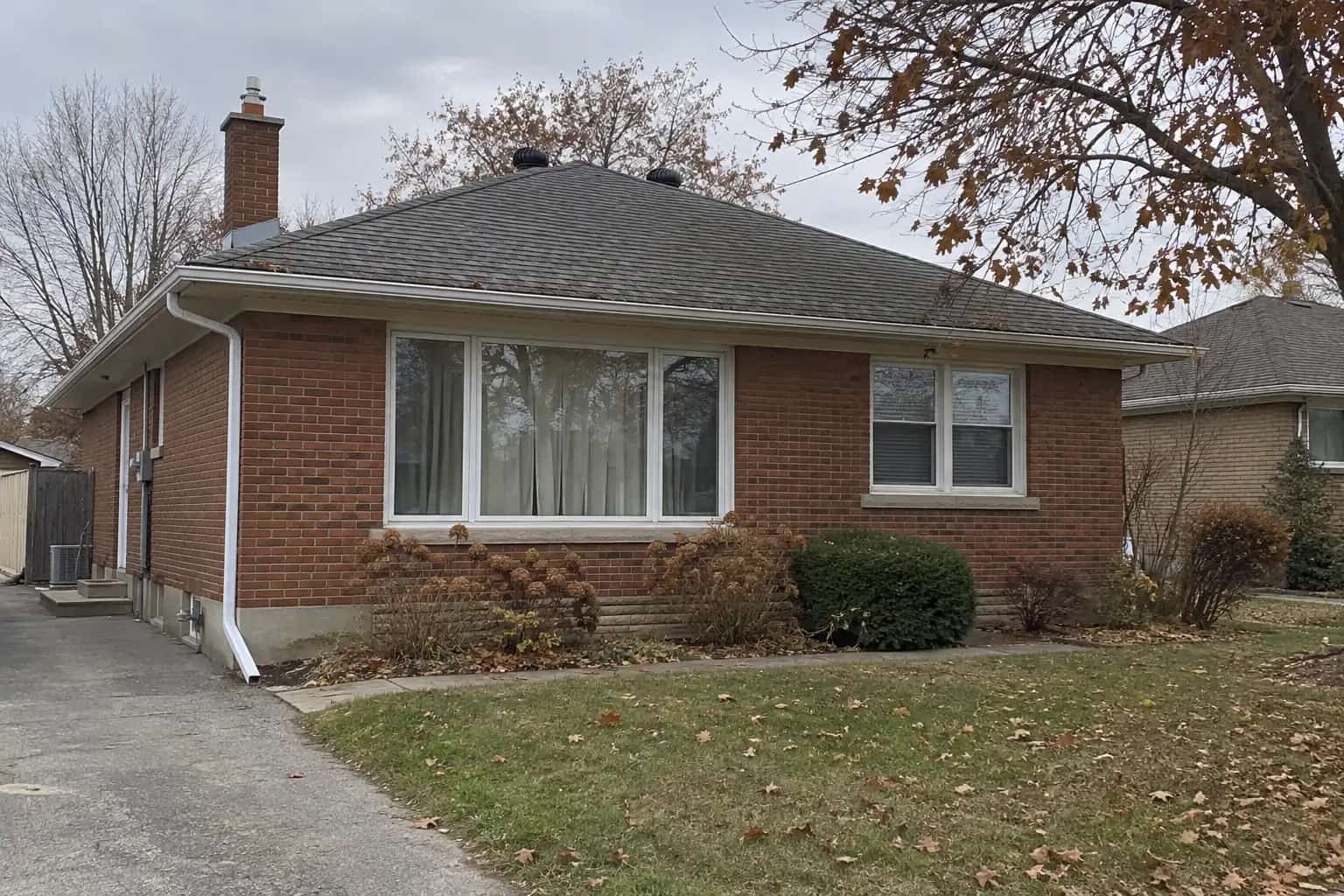
The foil sample catches the afternoon sun and throws a bright patch onto Mike's sleeve. The owner has been promised a cooler upstairs bedroom. Pat asks where the foil goes, then notices that the proposal says nothing about the draughty side-attic door. Reflective foil can reduce radiant heat transfer in a suitable assembly, but it does not replace insulation or air sealing in an Ontario attic. A hot-climate cooling result is not a prediction of this house's annual savings.
Mike asks the salesperson to draw where the proposed barrier goes. The shiny surface, the adjacent airspace and the existing insulation should all appear on that sketch. If the explanation stops at "reflects heat," you have only the beginning of an answer.
The airspace is part of the product's job
A warm roof can transfer heat by radiation across the attic space. A low-emissivity reflective surface can change that exchange when it faces an appropriate airspace. Sandwiching foil tightly between solid layers does not reproduce that condition.
Natural Resources Canada's materials guide distinguishes reflective products from conventional insulation and cautions against treating a reflective surface as a standalone thermal-resistance claim. The US Department of Energy also identifies the airspace requirement. Neither principle turns a roll of foil into a replacement for the missing insulation beside an attic hatch.
That gives you a useful way to read an estimate: does its claimed performance belong to the foil alone, or to a complete tested arrangement with particular airspaces? The installed arrangement needs to match the claim.
Match the proposed fix to the heat pathway
These measures address different parts of the enclosure.
Radiant exchange
A suitable reflective surface facing an airspace can reduce radiant heat transfer across that space.
Heat through the ceiling
A continuous insulation layer limits heat flow through the attic-floor assembly.
Air through gaps
Air sealing closes leakage paths at hatches and ceiling penetrations; foil elsewhere does not close them.
Which discomfort are you trying to fix?
A west-facing bedroom that becomes hot late in the afternoon presents a different question from a house that loses heat all winter. Windows, roof exposure, insulation coverage and air leakage can contribute in different proportions. A foil proposal should identify the heat pathway it intends to reduce.
The bedroom has a thinly insulated sloping ceiling and a side-attic door with a noticeable draught. Pat had initially been interested in the shiny material; now he wants those two details included in the comparison. Foil installed elsewhere would leave them intact. Resolving the weak enclosure could be more relevant to comfort than treating the hottest-looking surface. Our guide to roof colour and attic heat follows that distinction between the roof surface and the room below.
A radiant barrier may still belong in a particular design. The useful evidence would be a suitable product specification, a compatible installation and an estimate of benefit that fits this house and climate. "Up to" savings from an unrelated building do not tell you those things.
Be careful about adding another layer
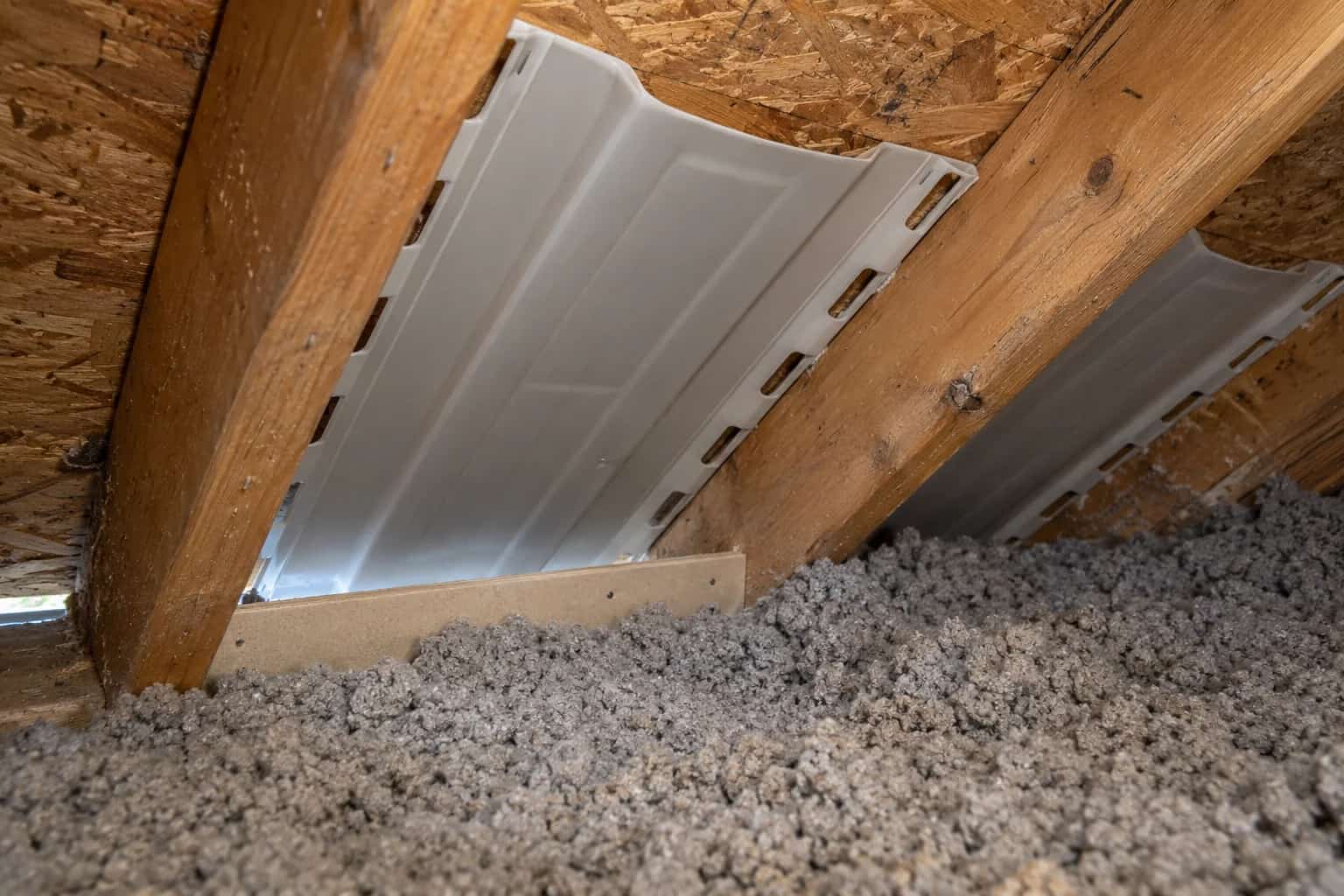
The proposed foil also needs to fit the roof's moisture and ventilation strategy. It should not obstruct the eaves or turn an existing drying route into an accidental sealed pocket. A product's vapour properties and installation position matter. Dave turns the sample over to find its identification. "Shiny is a finish, not the whole specification."
For an ordinary vented attic with a limited budget, first establish whether ceiling leaks, patchy insulation or blocked ventilation need work. If those basics are already sound, evaluate foil as a specific additional measure. That order makes the comparison much easier: you can see exactly what the extra purchase is expected to improve, and what it leaves unchanged.