
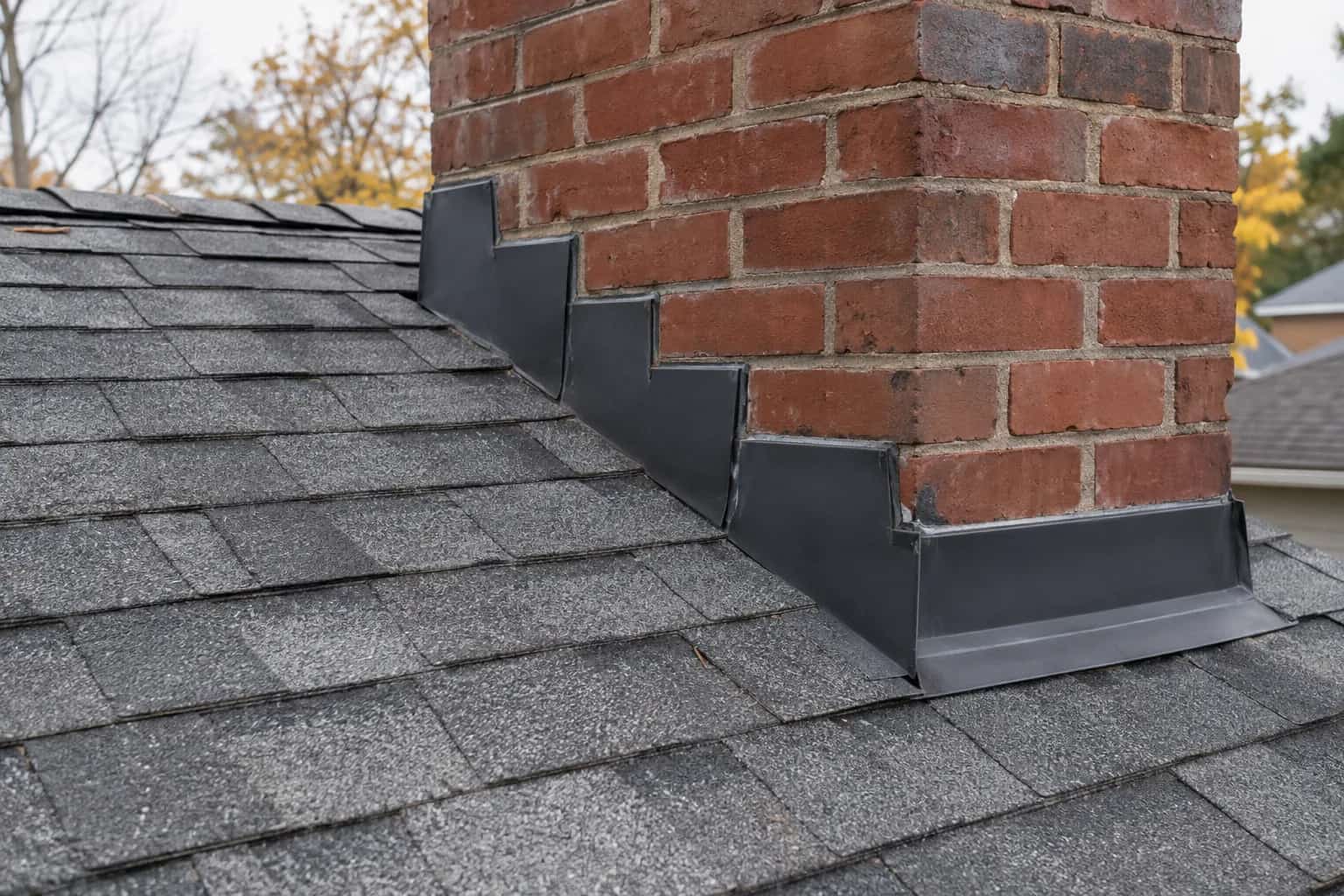
The chimney was red last autumn. Now a pale patch shows above the roof, particularly after the brick dries. It may be efflorescence, a deposit left when water carries soluble salts to the surface and evaporates. The white material is a clue about moisture movement, not a verdict that the roof flashing has failed.
Do not order a waterproof coating from a photograph. First identify what the deposit is, where it appears and whether the masonry itself is deteriorating.
At the garden gate, Ellen calls the pale chimney patch a leak map. Mike likes the map part and postpones the conclusion. The mark starts well above the roof junction. Dave asks for a wider photograph, which Ellen supplies after finding twelve excellent close-ups of almost nothing identifiable.
A Deposit and a Damaged Brick Are Different Findings
The Brick Industry Association's efflorescence guidance explains the combination of salts, moisture and a route to the surface. Efflorescence is commonly an appearance issue in itself. The underlying water movement can still deserve investigation, especially where deposits repeatedly return or other damage accompanies them.
A powdery-looking surface differs from a brick face that has detached. A pale mortar smear after repair differs again. Ground photographs may not resolve those distinctions. Have the inspection identify the substance and substrate rather than calling everything white a leak stain.
If brick fragments are falling or the chimney appears unstable, keep people clear below and arrange prompt assessment. Cleaning is not the priority in that situation. Our spalling-brick guide explains the separate condition question.
Watch the Pattern Before Erasing It
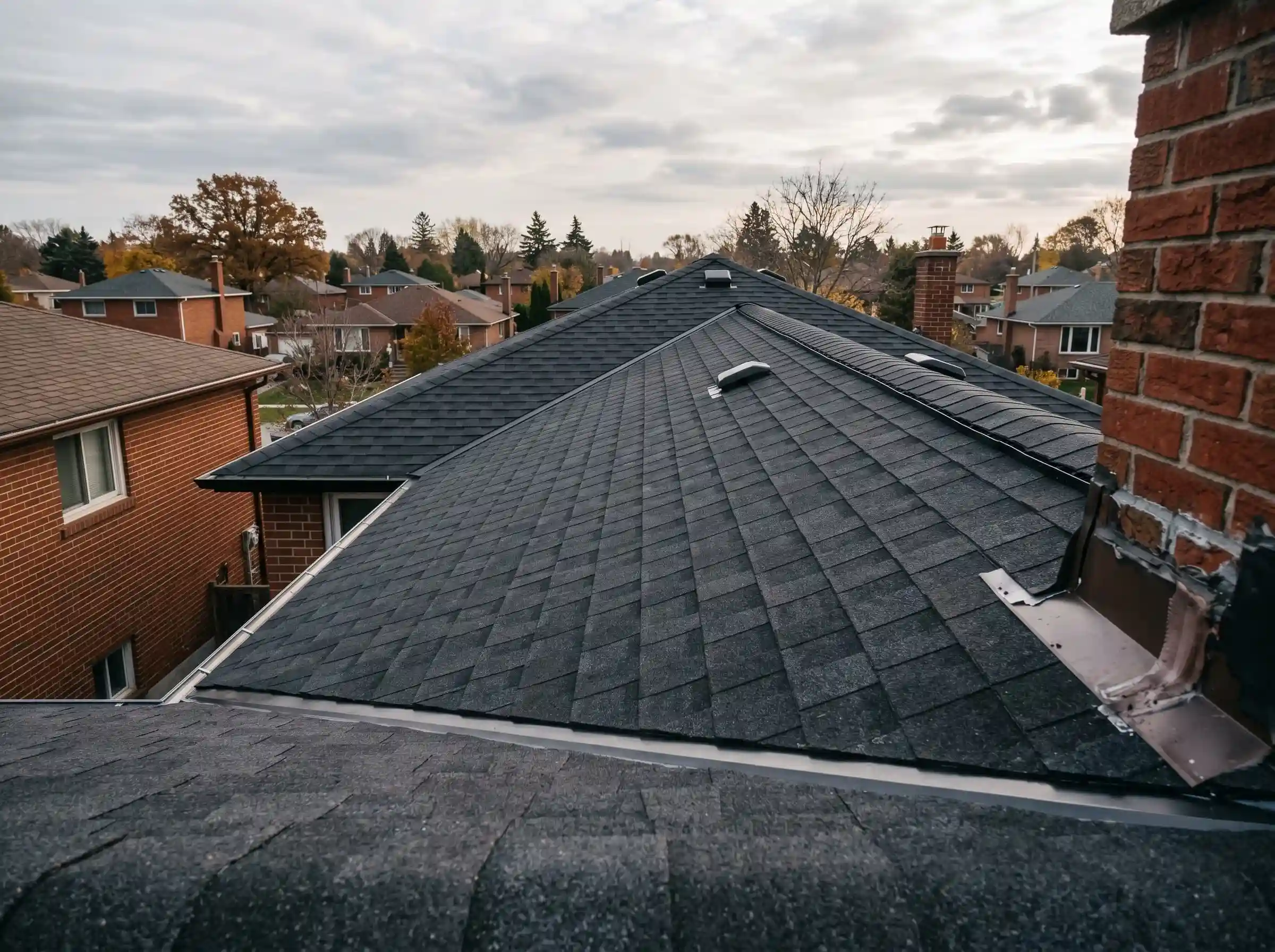
Take photographs from the same safe position, including the whole chimney and its roof junction. Note whether the patch changes after rain, snowmelt or a period of fireplace use. Do not climb up to rub it with your finger.
Imagine a pale strip appearing below a cracked top surface, while the flashing at roof level looks undisturbed. The top and masonry deserve inspection; simply resealing the bottom ignores the location of the evidence. In another house, recurring dampness may occur around a roof junction. Similar white deposits do not make those repairs interchangeable.
The useful question is how moisture reaches this area. An inspection may need to consider the chimney top, cap, mortar joints, roof junction and the flue system. An appliance or chimney professional should handle questions about the flue and combustion use. The roofing inspection addresses its own water-shedding details.
The close-up had made the white surface look crumbled. The wider set separates a pale deposit from a different area of missing mortar. Now the questions split: what carried salts to the face, and what condition is the masonry in? One cleaner cannot answer both.
Orange or brown streaks beneath metal need a separate chimney-cap corrosion assessment, rather than the same explanation as white salt deposits.
What Would a Cleaning Proposal Actually Change?
Ask for the proposed cleaning method, the material it is intended to remove and the evidence that it suits the brick and mortar. A treatment suitable for one stain or masonry type is not automatically suitable for another. Protect surrounding shingles, metal, windows and planting from the work and runoff.
Do not use a pressure washer or strong household chemical as an identification test. Removing the visible deposit while damaging mortar or the brick surface is a poor exchange. Nor should cleaning become a promise that the white patch can never return when the moisture route remains unresolved.
For a proposed coating, ask what condition it is addressing, how the masonry will be prepared and how the assembly will dry. Product compatibility and the actual chimney construction matter. A broad claim that sealing fixes moisture is not enough to choose a system.
Keep These Findings Separate
Visible colour, moisture movement and masonry condition require separate observations.
Surface deposit
Identify salts, mortar residue or another stain before treatment.
Moisture route
Investigate where water enters and travels through the assembly.
Material damage
Assess detached faces, open joints or unstable masonry separately.
Appearance work
Choose compatible cleaning after the underlying condition is understood.
Compare the Work in Separate Lines
A clear proposal can separate investigation, source correction, damaged masonry repair and appearance cleaning. That makes it possible to understand why one quotation costs more than another. One may include access and rebuilding that the other has not assessed.
Keep photographs before and after any agreed work. If the deposit returns, record the weather and location rather than immediately applying another cleaner. Persistent recurrence may justify revisiting the diagnosis; a single pale patch is not a reason to replace the entire roof.
When an indoor stain is part of the problem, connect its timing to the exterior record. The chimney leak guide helps separate roof flashings from masonry and other routes. The best result is an explanation that accounts for both the deposit and the house's symptoms, followed by work that fits that explanation.
Ellen had hoped for one coat of something and an afternoon off. The revised plan is less photogenic: identify, repair what needs repair, then decide on cleaning. Mike leaves the coating brochure closed until the moisture explanation catches up with it.